
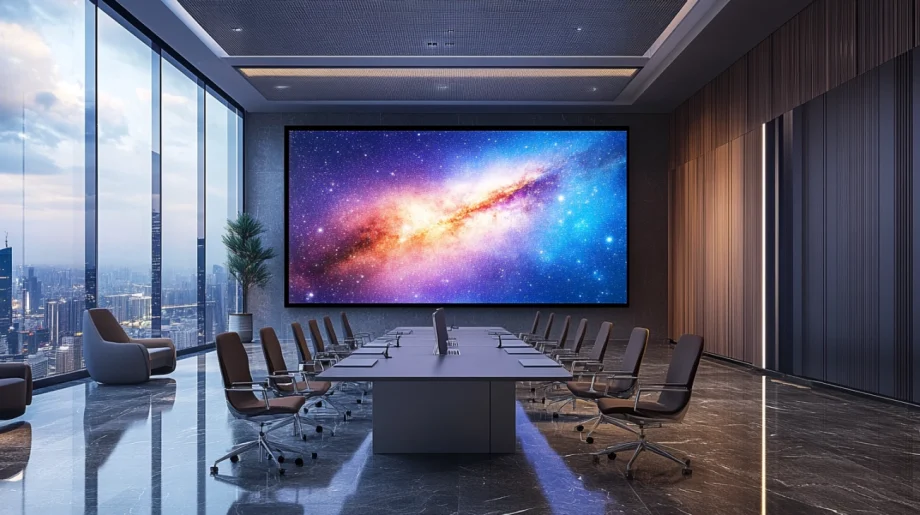
The LED All-in-One (AIO) display market is undergoing significant transformation as demand for integrated, high-performance display solutions rises across industries. From corporate meeting rooms to retail environments, AIO LED displays are becoming the go-to technology, offering flexibility, scalability, and superior visual performance. This post explores the current trends in the LED AIO market, highlights growth drivers, examines the challenges, and looks ahead to the future of AIO displays in digital signage and other applications.
What Are LED All-in-One Displays?
LED AIO displays are integrated systems that combine high-definition LED panels with built-in components such as media players, touch controls, and audio systems. Unlike traditional display solutions that require separate components, AIO LED displays simplify installation and maintenance, providing a compact and cohesive solution for a variety of professional and commercial applications.
These displays are known for their scalability, energy efficiency, and advanced display technology, making them an attractive option for industries seeking larger, more immersive visual experiences. Whether used in corporate boardrooms, educational institutions, or digital signage applications, AIO LED displays provide superior image quality and interactivity compared to older display technologies.
Key Trends in the LED All In One AIO Market
- Growth of Interactive Displays A major trend driving the AIO LED market is the integration of interactive features. Many modern AIO displays now come with touch-screen capabilities, enabling users to engage with content directly on the screen. This is particularly beneficial in corporate environments where collaboration and idea sharing are crucial. Additionally, in educational settings, AIO LED displays are replacing traditional whiteboards and projectors to create dynamic, interactive learning experiences.The demand for interactive displays is expected to continue rising, particularly as businesses shift to hybrid work environments. Interactive AIO LED displays allow remote and in-office participants to collaborate in real-time, streamlining communication and enhancing productivity.
- Rise of Large-Format Displays The shift toward large-format displays is another key trend in the AIO LED market. LED technology offers seamless scalability, meaning that AIO LED displays can be customized to meet the needs of different room sizes or venues. Large-format AIO LED displays are increasingly being used in corporate offices, retail environments, airports, and other public spaces to create immersive experiences.As businesses seek ways to captivate their audience with high-quality visuals, the demand for large-format, high-resolution displays that can be customized and easily integrated into existing systems is growing. This trend is pushing the AIO LED market to innovate further in terms of screen sizes, installation flexibility, and user experience.
- Energy Efficiency and Sustainability As businesses and consumers alike become more eco-conscious, energy efficiency has become a top priority for display technologies. LED displays, including AIO LED systems, are inherently more energy-efficient compared to traditional LCD or projection technologies. This is particularly important in commercial environments where displays are running for long hours. Lower energy consumption reduces operational costs and minimizes the environmental footprint, making AIO LED displays a sustainable choice for businesses.Additionally, the longevity of LED displays contributes to their environmental benefits. LED AIO displays generally have a longer lifespan than traditional LCD screens, which reduces the need for frequent replacements and helps businesses save on both maintenance and disposal costs.
- Integration with Smart Technologies The growing integration of Internet of Things (IoT) capabilities and artificial intelligence (AI) into AIO LED displays is also shaping the future of this market. By connecting AIO LED displays to smart building systems, businesses can enable real-time content updates, monitor display performance, and even adjust settings remotely. AI integration allows for improved content personalization, predictive maintenance, and enhanced user experiences.These advanced features are particularly valuable in digital signage applications, where businesses can display targeted advertisements and content based on audience engagement, location, or time of day. As smart technologies continue to evolve, the capabilities of AIO LED displays will only expand, making them even more valuable to businesses across a range of sectors.
- Adoption in Hybrid Work Environments The rise of hybrid and remote work models has accelerated the adoption of AIO LED displays in meeting rooms and collaborative spaces. With employees working both in-office and remotely, businesses require advanced meeting solutions that can facilitate seamless communication and collaboration.AIO LED displays, with integrated video conferencing capabilities, high-definition screens, and touch functionality, enable employees to share content, participate in meetings, and collaborate effectively regardless of location. As hybrid work becomes the norm, the demand for these versatile display solutions is expected to increase.
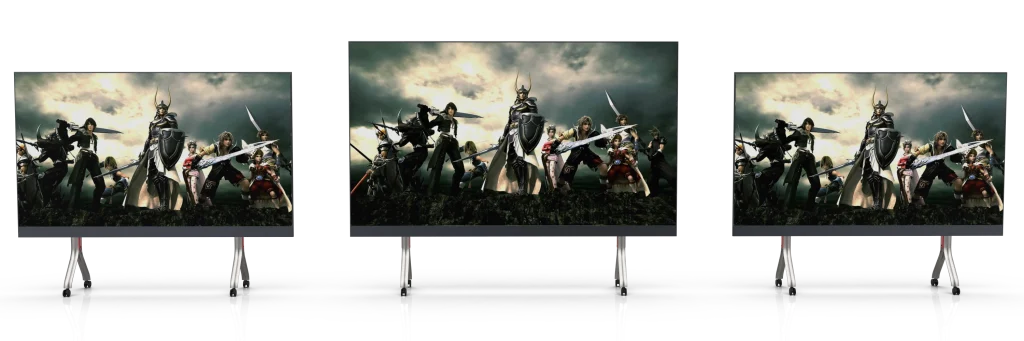
Send Inquiry for LED All In One NeoVision Lynnhan
Key Drivers of Market Growth: Price Reductions and Enhanced Features
One of the primary drivers behind the market’s robust growth is the ongoing price reduction of LED All-in-One displays. As LED technology matures, along with significant decreases in the cost of upstream materials such as COB (Chip-on-Board) packaging, prices are expected to continue their downward trajectory through 2024. This has made LED AIO displays more accessible to a broader range of businesses and applications, positioning them as competitive alternatives to other display technologies.

TrendForce’s analysis indicates that the price range for 135-163 inch LED All-in-One displays currently falls between USD 18,000 and USD 72,000. Some of the most popular configurations include:
- 135-inch (2K P1.5)
- 146-inch (2K P1.68 / 4K P0.84)
- 163-inch (2K P1.9)
Notably, the price per square meter of certain LED AIO models is now approaching that of LCD displays, further enhancing the appeal of LED AIOs in the market. As pricing continues to become more competitive, these displays are expected to see greater adoption across multiple sectors.
In addition to price reductions, manufacturers are also enhancing the hardware and software capabilities of LED AIO displays, contributing to their growing demand. The latest models released this year demonstrate an increased focus on key features such as:
- Intelligence (AI-powered integration)
- Slim designs (enhanced aesthetics and space efficiency)
- High performance (improved resolution, brightness, and refresh rates)
- High integration (all-in-one functionalities)
- Low power consumption (energy-efficient designs)
These advancements position LED AIO displays as versatile, standardized solutions akin to smart TVs, catering to a wide variety of use cases across meeting rooms, conference halls, retail spaces, and digital signage networks.
Challenges Facing the LED AIO Market
Despite the rapid growth and technological advancements, there are several challenges facing the LED AIO market:
- High Initial Costs One of the primary barriers to widespread adoption of AIO LED displays is their relatively high upfront cost. While prices have been steadily decreasing, AIO LED displays are still more expensive than traditional display solutions. This can be a deterrent for small and medium-sized businesses that may have limited budgets for technological upgrades.However, the long-term benefits—such as lower maintenance costs, reduced energy consumption, and longer lifespans—can make AIO LED displays a more cost-effective solution in the long run.
- Installation and Integration Complexities Large-format AIO LED displays often require more complex installation and integration than traditional displays. Businesses must ensure that the infrastructure, such as mounting systems and connectivity solutions, is compatible with the display. In some cases, this may require the assistance of trained professionals, which could increase the total cost of ownership.Overcoming this challenge will require more user-friendly, plug-and-play solutions that simplify installation and ensure compatibility with existing systems.
- Competition from Other Display Technologies AIO LED displays are in direct competition with other display technologies such as OLED and microLED. While LEDs offer superior brightness and energy efficiency, OLED displays provide deeper blacks and more vivid colors, while microLED displays promise even greater resolution and flexibility.To stay competitive, AIO LED manufacturers must continue to innovate, focusing on enhancing image quality, reducing costs, and offering new features that set their displays apart from competing technologies.
Future Outlook for the LED AIO Market
The future of the LED AIO display market looks promising, with continued growth expected in the coming years. As businesses increasingly recognize the value of integrated, high-performance displays, the demand for AIO LED solutions is likely to rise across multiple sectors.
Key growth areas include:
- Corporate Sector: With more businesses embracing hybrid work models, the need for high-quality, interactive displays will continue to grow. AIO LED displays will play a crucial role in transforming meeting rooms, collaboration spaces, and virtual offices.
- Retail and Digital Signage: AIO LED displays are increasingly being used in digital signage applications, where they help businesses deliver engaging, dynamic content to customers. The integration of AI and IoT will further enhance the effectiveness of digital signage displays.
- Education: Educational institutions are increasingly adopting AIO LED displays for classrooms and lecture halls, where they replace traditional projectors and whiteboards with interactive, high-definition solutions.
Conclusion
The LED All-in-One display market is experiencing rapid growth, driven by advancements in display technology, increasing demand for large-format displays, and the rise of hybrid work environments. As the technology evolves, AIO LED displays will continue to offer businesses and institutions an efficient, high-performance, and sustainable solution for their display needs. While challenges such as high initial costs and competition from other display technologies remain, the long-term benefits of AIO LED displays—such as energy efficiency, durability, and integration with smart technologies—make them an attractive option for the future.
Source: A Brief Analysis of the Current Development of the LED All-in-One Market 12-2-2024