
Introduction
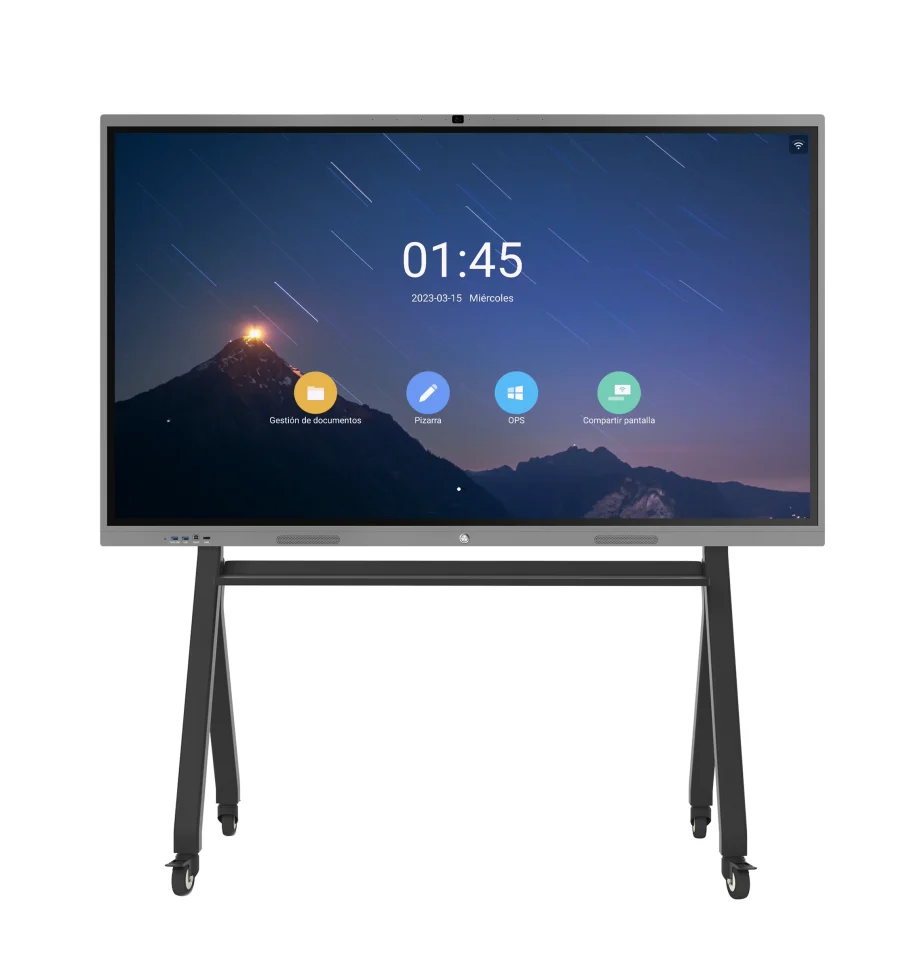
In today’s tech-savvy world, smart boards have revolutionized the way we present, teach, and collaborate. Whether in classrooms, conference rooms, or corporate settings, choosing the right smart board size is crucial for enhancing productivity and engagement. This guide will walk you through the essential factors to consider when picking the perfect smart board size for your needs.
Why Size Matters
The size of a smart board can significantly impact visibility, user experience, and overall effectiveness. A board that is too small might not be visible to everyone in the room, while an overly large board could overwhelm the space. Understanding the balance is key to making the right decision.
Understanding Smart Board Dimensions
- Aspect Ratio: Common aspect ratios include 16:9, 16:10, and 4:3. The aspect ratio determines the screen’s width relative to its height.
- Diagonal Measurement: The size of smart boards is typically measured diagonally in inches.
- Viewing Distance: The optimal viewing distance depends on the board size; larger boards require viewers to sit further back.
Factors Influencing Smart Board Size Selection
Room Size and Layout
- Room Dimensions: Measure the height, width, and depth of the room.
- Furniture Arrangement: Consider how furniture placement might affect visibility and access to the board.
- Seating Capacity: The number of people using the board impacts the required size for clear visibility.
Audience Size and Viewing Distance
- Optimal Viewing Distance: Larger boards are better suited for bigger rooms with a larger audience.
- Font and Image Size: Ensure text and images are readable from the furthest point in the room.
Purpose and Usage
- Classroom Settings: Educational environments often require boards that accommodate interactive activities.
- Corporate Environments: Business settings might need larger boards for presentations or video conferences.
- Specialized Uses: Some industries may require boards with specific dimensions for detailed work like design or engineering.
Common Smart Board Sizes and Their Applications
Small to Medium (50”-70”)
- Best For: Small to medium-sized rooms, individual or small group use.
- Applications: Personal workspaces, small classrooms, and breakout rooms.
Large (75”-86”)
- Best For: Medium to large rooms, larger audiences.
- Applications: Standard classrooms, conference rooms, and collaborative spaces.
Extra-Large (90”+)
- Best For: Large auditoriums, lecture halls, and specialized industry settings.
- Applications: Large-scale presentations, interactive sessions with large groups.

How to Measure Your Room for the Right Smart Board Size

Step-by-Step Measurement Guide
- Measure the Wall Space: Identify the available wall space where the board will be mounted.
- Consider Ceiling Height: Ensure there is enough height for comfortable viewing without straining the neck.
- Account for Furniture and Fixtures: Factor in the placement of desks, chairs, and other furniture.
Technology Integration and Compatibility
Connecting Devices
- Input/Output Ports: Ensure the smart board has the necessary ports for your devices (HDMI, USB, etc.).
- Wireless Connectivity: Consider boards with built-in wireless capabilities for easy device integration.
Software and Tools
- Compatibility with Existing Systems: Check if the smart board is compatible with your current software and devices.
- Interactive Features: Some smart boards offer features like touch recognition, gesture controls, and real-time collaboration tools.
Expert Opinions on Smart Board Size Selection
Insights from Educators
Educators emphasize the importance of choosing a size that allows for interactive learning without compromising visibility. A board that is too small can limit engagement, while an oversized board may lead to distractions.
Corporate Perspectives
Business professionals recommend considering the size of the meeting room and the typical audience size when selecting a smart board. Larger boards are preferred for executive presentations, while smaller boards may suffice for internal team meetings.
Conclusion
Choosing the right smart board size is a vital decision that can affect the overall effectiveness of your presentations, teaching, or collaboration. By carefully considering room dimensions, audience size, and the board’s intended use, you can ensure that you select a board that meets your needs perfectly.