
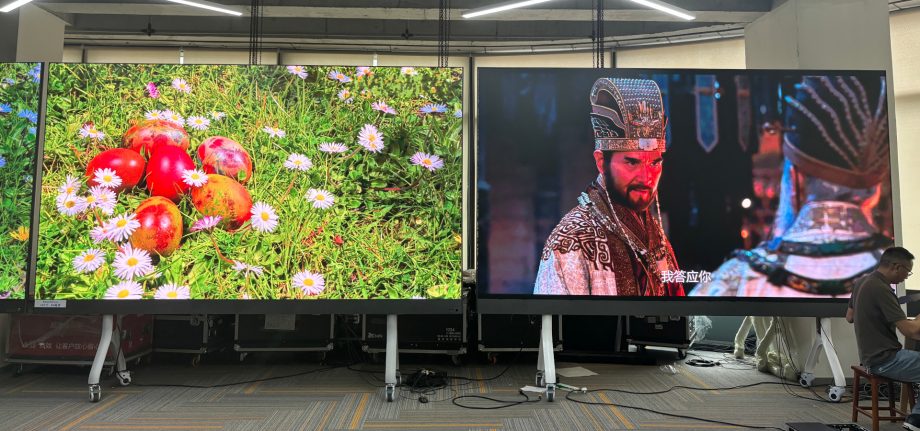
All-in-One LED displays are revolutionizing the way we present, collaborate, and entertain. Their seamless integration of cutting-edge technology and sleek design makes them a popular choice for businesses, educational institutions, and home entertainment. But how to pick the perfect All-in-One LED Display? This guide breaks it down for you.
Factors to Consider When Choosing an All-in-One LED Display
Choosing the right all-in-one LED display for your business, educational institution, or entertainment space is essential for ensuring optimal performance and longevity. With advancements in technology, the range of options available on the market has expanded, making the selection process both exciting and challenging. To help you make an informed decision, we’ve compiled a comprehensive guide on the key factors you should consider when choosing the perfect all-in-one LED display.
1. 1. Screen Size and Resolution
One of the most important factors to consider is the screen size 13. 以及 resolution of the all-in-one LED display. These two factors will directly affect the quality of the visuals and how effectively they can communicate your message. The ideal screen size will depend on the space where the display will be placed and the viewing distance.
- Screen Size: The larger the screen, the more attention it will grab. However, choosing a screen that’s too large for a small room can result in poor viewing experiences. Consider the layout of your space and how far the viewers will be from the screen. For corporate meetings, smaller sizes (55″ – 75″) may be enough, while larger displays (85″ and beyond) are better suited for conferences or public spaces.
- Resolution: The resolution determines the clarity and sharpness of the content displayed. For professional applications such as presentations or digital signage, a 4K resolution (3840 x 2160 pixels) is ideal for ensuring crisp and vibrant visuals. For smaller rooms or less critical environments, Full HD (1920 x 1080) might be sufficient, but high-end venues and environments that require vivid, detailed displays will benefit more from Ultra HD or 8K 显示器。
Explore More details about Choosing All-in-one LED display size
2. Brightness and Viewing Angle
The 23. diǎn guǎng of your all-in-one LED display is crucial, especially if it will be used in well-lit environments or outdoors. The brightness is usually measured in nits, and the higher the nit rating, the better the display will perform in bright conditions.
- Indoor Displays: For indoor applications like meeting rooms, classrooms, atau corporate lobbies, a brightness of around 300 to 500 nits is generally sufficient. However, if your space has heavy lighting or a lot of natural light, opt for a display with a higher brightness (600 nits or more) to ensure the visuals are visible and clear.
- Outdoor Displays: Jika Anda merencanakan untuk menggunakan layar di lingkungan luar atau di ruangan dengan pencahayaan yang kuat, Anda memerlukan layar dengan setidaknya 1,000 nits atau lebih. Outdoor LED displays dirancang untuk menahan kondisi lingkungan yang kuat sambil mempertahankan kenampakan yang tinggi.
- 观看角度: Sudut penglihatan sama pentingnya dengan kecerahan. Wide viewing angles (178 derajat atau lebih) memastikan bahwa layar tetap terlihat dan jelas bagi penonton walaupun mereka berada di samping. Ini sangat penting bagi tanda digital atau tampilan publik di mana orang akan melihat dari berbagai sudut.
3. Connectivity and Integration Options
Saat memilih layar LED all-in-one, penting untuk mengevaluasi opsi koneksi untuk memastikan kompatibilitas dengan sistem dan perangkat yang anda miliki. Fleksibilitas layar dalam hal port masuk dan keluar memungkinkan Anda dengan mudah mengintegrasikan nya ke pengaturan anda.
- HDMI dan DisplayPort: Sebagian besar layar LED all-in-one datang dengan HDMI or DisplayPort input, yang memungkinkan Anda menghubungkan perangkat eksternal seperti laptop, PC, dan pemutar media. Pastikan layar memiliki port yang cukup untuk memenuhi kebutuhan anda.
- USB dan Touchscreen Integration: Banyak layar all-in-one datang dengan USB ports untuk menghubungkan perangkat peranti, seperti papan tulis, drive USB, atau kamera. Fungsi touchscreen adalah faktor lain yang harus dipertimbangkan, khususnya jika Anda memerlukan interaktifitas untuk presentasi, kerjasama, atau papan putih digital. Layar yang dapat di sentuh memungkinkan pengguna untuk berinteraksi langsung dengan konten, meningkatkan partisipasi dan pengalaman pengguna.
- Wireless Connectivity: In today’s digital age, wireless connectivity (Wi-Fi and Bluetooth) is becoming an essential feature in modern displays. This feature allows for easy screen sharing, content streaming, and remote control of the display from smartphones, tablets, or laptops. If wireless integration is important to you, ensure that the all-in-one display has strong wireless support.
4. Audio Quality
While all-in-one LED displays are primarily known for their stunning visuals, audio quality is another factor that shouldn’t be overlooked. Some displays come with integrated speakers, but the audio quality can vary significantly between models. For many businesses and educational environments, basic audio may suffice, but for venues like exhibitions, conferences, atau entertainment spaces, you’ll need to pay close attention to the sound capabilities.
- Built-in Speakers: Many all-in-one displays come with built-in stereo speakers, but the quality might not be sufficient for larger venues. In such cases, you may need to pair the display with external speakers or sound systems for better audio performance.
- Sound Output Options: If high-quality sound is a priority, check for displays that offer external audio output options, such as 3.5mm audio jacks or Bluetooth speakers. This will enable you to connect high-end sound systems that provide immersive audio to complement the display’s high-quality visuals.
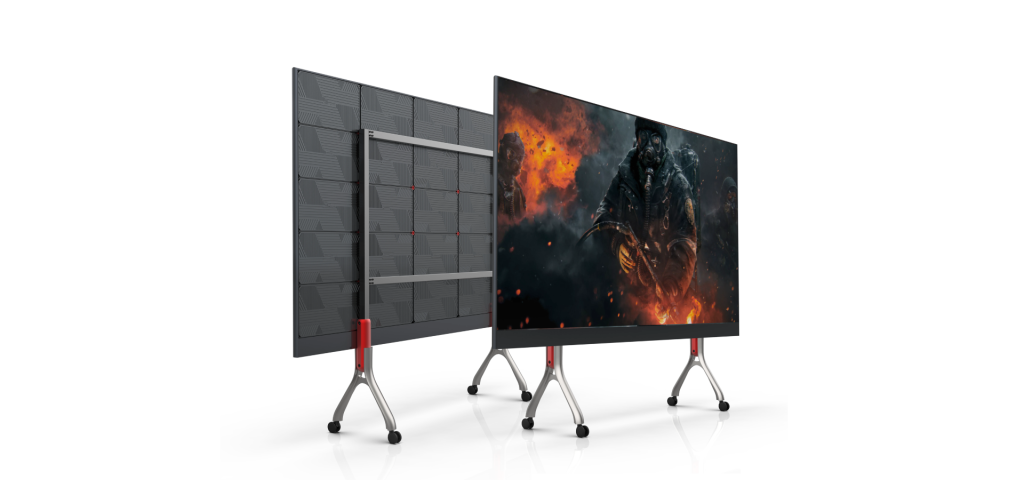
Explore More about Lynnhan All in one LED display Neovision
5. Kekuatan dan Pemeliharaan
The 24. cháng cháng de of an all-in-one LED display is a key consideration, especially if it will be used in environments with heavy traffic or in public spaces. Displays in such settings should be built to withstand continuous use without compromising on performance.
- Build Quality: Look for displays with sturdy materials and protective glass or anti-glare coatings to prevent damage from scratches or fingerprints. If you are planning to install the display in a high-traffic area, opt for models with IP ratings that ensure the display is resistant to dust, moisture, and environmental wear.
- Maintenance and Support: Regular maintenance is essential for ensuring the longevity of your display. Choose a reputable brand with excellent customer service and warranties to handle potential technical issues, such as dead pixels or connectivity problems. Remote diagnostics 13. 以及 software updates are also helpful features that simplify maintenance and reduce downtime.
6. Cost and Budget Considerations
Cost is always an important factor when making a purchasing decision, but it’s important to remember that you get what you pay for with all-in-one LED displays. While lower-cost models may be tempting, they might lack certain features or offer lower-quality performance.
- Initial Investment vs. Long-Term Value: Consider the long-term value of your investment. While all-in-one LED displays may have a higher upfront cost, their built-in features, ease of setup, and energy efficiency often make them more cost-effective over time compared to separate display systems.
- Total Cost of Ownership: When calculating the overall cost, consider maintenance costs, warranty periods, and potential upgrades. Also, factor in the energy efficiency of the display, as more energy-efficient displays will reduce ongoing operating costs.
7. Brand Reputation and Reviews
When making any purchase, it’s essential to choose a reputable brand known for producing high-quality, reliable products. Research reviews and ratings from other customers to get a better understanding of the performance and durability of the display.
- Brand Support: Opt for well-known brands that offer strong customer support, long warranties, and easy-to-access resources for troubleshooting. Popular brands often have a larger service network, making it easier to get repairs or replacements when necessary.
總結
Choosing the right all-in-one LED display involves considering multiple factors, including screen size, resolution, brightness, connectivity, audio quality, durability, and cost. By evaluating these key features in line with your specific needs, you can ensure that you invest in a display system that delivers both excellent performance and long-term value. Whether you’re outfitting a business space, education environment, atau retail venue, selecting the right all-in-one LED display will ensure that your content looks stunning and your audience is engaged. Make sure to choose wisely to maximize your investment and ensure your display meets your expectations for years to come.
Ready to elevate your visual solutions? Contact Lynnhan today and discover the future of All-in-One LED displays.