
Lynnhan – ຜູ້ສະໜອງເຊື່ອຖື | LED/OLED/LCD/E-paper digital signages
Lynnhan – ຜູ້ສະໜອງເຊື່ອຖື | LED/OLED/LCD/E-paper digital signages
Lynnhan – ຜູ້ສະໜອງເຊື່ອຖື | LED/OLED/LCD/E-paper digital signages
Lynnhan – ຜູ້ສະໜອງເຊື່ອຖື | LED/OLED/LCD/E-paper digital signages
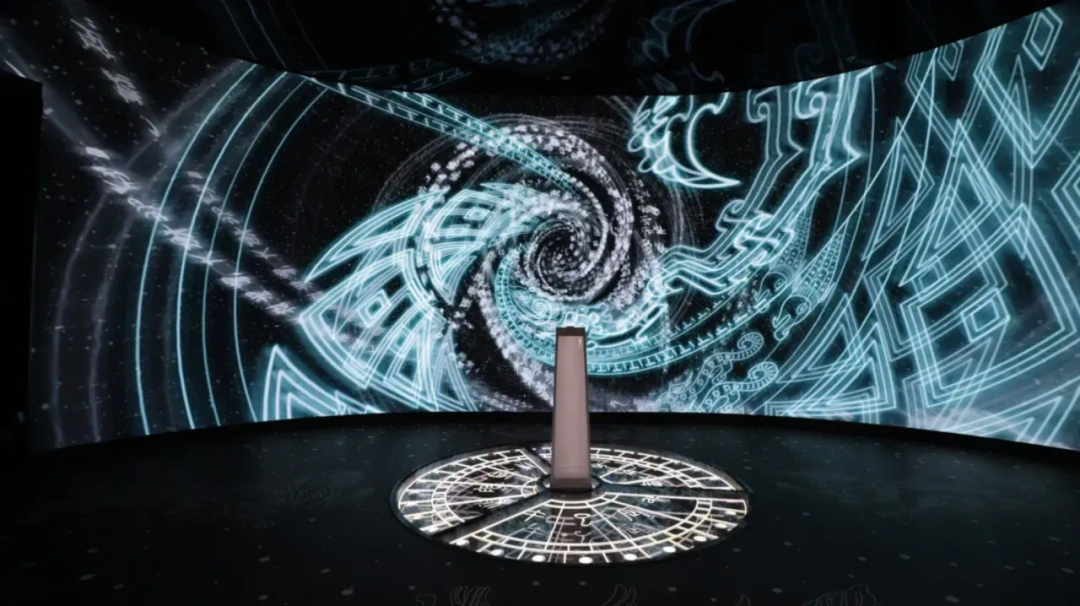
LED Screens in Museums: Revolutionizing Visitor Experiences
神話館長久以來一直是歷史、藝術和文化的守護者。然而,在當今的數位時代,遊客期望的不仅仅是靜態展示和玻璃展示柜。他們渴望 互動的、沉浸式的和引人入勝的體驗。這就是 21. Harga Display LED 來發揮作用的地方。帶著它們的多功能性、生動的視覺和尖端的技術,LED螢幕正在改變博物館運作和與公眾互動的方式。
在这篇文章中,我们将探讨 博物館中LED螢幕的主要應用,它们的益处以及它们如何塑造文化和教育空间的未来。无论你是博物馆馆长、技术爱好者,还是对艺术与创新交汇处感兴趣,本指南都将提供有价值的见解。
為何LED螢幕是博物館的轉型者
LED(發光二極管)螢幕已經成為現代展示技術的基礎。它們的 高亮度、節能和靈活性 使其成為各種應用的理想選擇,從零售到體育場館。但博物館,特別是,正在尋找創新方法來利用LED技術來提升遊客體驗。
以下是LED螢幕為何是博物館的完美選擇的原因:
- 精良的視覺質量:LED螢幕提供 4K甚至8K解析度,确保艺术作品或文物的每一个细节都以惊人的清晰度显示。
- 可定製的大小和形狀:LED面板可以配置成 弯曲的牆壁、圓柱形展示或甚至天花板,使博物館能夠創造獨特和沉浸式的環境。
- Energy Efficiency:現代LED螢幕的能耗顯著低於傳統展示,與日益增長對 可持續解決方案.
- Durability的需求相一致。 100,000 小时:LED螢幕設計以耐久,壽命可達
- Interactivity,使其成為成本效益長期投資。 :觸控屏和動作感知LED螢幕允許互動體驗
,使學習對遊客來說更加有趣。
博物館中LED螢幕的頂尖應用
1. 加強展覽和數字藝術展示 博物館中LED螢幕最常見的用途之一是加強展覽 。傳統展示往往難以傳達文物的全部深度和細節。另一方面,LED螢幕可以展示 that bring exhibits to life.
For example:
- 數字藝術: Museums can display digital art collections with vibrant colors and dynamic visuals that are impossible to achieve with traditional canvases.
- Historical Reenactments: LED screens can show animated recreations of historical events, giving visitors a deeper understanding of the past.
- Zoomable Displays: Visitors can explore intricate details of artifacts by zooming in on high-resolution images displayed on LED screens.
2. 深入環境
Imagine stepping into a museum and being transported to an ancient civilization, a futuristic city, or even outer space. LED screens make this possible by creating fully immersive environments.
- LED Walls and Ceilings: By covering entire walls or ceilings with LED panels, museums can create 360度沉浸式體驗. For instance, a natural history museum could recreate a prehistoric jungle, complete with lifelike visuals and soundscapes.
- Virtual Reality (VR) Integration: LED screens can be combined with VR technology to create interactive, multi-sensory experiences that captivate visitors.
3. Interaktīva stāstuveide
Gone are the days when museums relied solely on placards and audio guides to tell stories. LED screens enable interaktīvu stāstuveidi, allowing visitors to engage with content in a more meaningful way.
- Tāpas displeji: Visitors can explore interaktīvas laika sarakstus, kartes un infografiku savā tempā.
- Paplašināta realitāte (AR): LED screens can be used in conjunction with AR apps to overlay digital information onto physical exhibits. For example, pointing a smartphone at a dinosaur skeleton could reveal a 3D animāciju, kā dinosaurus kustījās.
- Spēles elements: Museums can use LED screens to create izbildīgas spēles un testus, padarot mācīšanos veselu vecuma viesniekiem uzsverīgu.
4. Dīvanājams virziens un informācijas displeji
Navigating large museums can be challenging for visitors. LED screens can serve as dīvanājamos virziensrīķi, palīdzot viesniekiem viegli atrast ceļu apgabala pašām.
- Interaktīvas kartes: Large-format LED screens can display interaktīvas kartes kuras izcel kādas izstādes, uztveres un notikumus.
- Reālā laika atjauninājumi: LED screens can provide 实时信息 par izstāžu kārtību, vadītajiem apskrējiem un īpašajiem notikumiem.
- Dažādu valodu atbalsts: LED screens can display information in 多种语言中显示信息,使博物馆对国际游客更加易于访问。
5. 临时和旋转展览
博物馆经常举办 临时展览 that require flexible display solutions. LED screens are perfect for this purpose, as they can be easily updated with new content.
- 数字画廊: Instead of printing and framing artworks, museums can use LED screens to display 数字画廊 ,只需点击几下即可更改。
- 成本效益解决方案: LED screens eliminate the need for physical materials, reducing costs and environmental impact.
6. 可持续性和节能
As museums strive to become more sustainable, LED screens offer an 环保的替代方案 传统的显示方式。
- Low Power Consumption: LED screens consume significantly less energy than traditional lighting and display systems.
- 长寿命: 由于使用寿命高达 100,000 小时, LED screens reduce theneed for frequent replacements, minimizing waste.
- 可回收材料: Many LED screens are made from recyclable materials, further reducing their environmental impact.
7. 可访问性和包容性
LED screens can make museums more 所有访客更加 可访问和包容,包括残疾人士。
- 音频描述: LED screens can display 文本和音频描述 适用于视障访客。
- 手语视频: Museums can use LED screens to show 手语视频,使展览对听力受损访客可访问。
- 可调亮度: LED screens can be adjusted to suit the needs of visitors with light sensitivity.
Case Studies: LED Screens in Action
1. The Louvre, Paris
The Louvre has embraced LED technology to enhance its exhibits and provide visitors with a more immersive experience. For example, the museum uses large-format LED screens to display high-resolution images of famous artworks, allowing visitors to explore every brushstroke in detail.
2. The Smithsonian, Washington D.C.
The Smithsonian has integrated interactive LED displays into its exhibits, enabling visitors to engage with content in new and exciting ways. For instance, the National Museum of Natural History uses LED screens to create animated recreations of prehistoric ecosystems.
3. The Van Gogh Museum, Amsterdam
The Van Gogh Museum has used LED screens to create immersive digital art installations that bring Van Gogh’s paintings to life. Visitors can step into a 360-degree recreation of “Starry Night”, complete with animated stars and swirling clouds.
How to Choose the Right LED Screens for Your Museum
When selecting LED screens for your museum, consider the following factors:
- 5. Resolution: 选择具有 4K或8K分辨率 以获得最佳视觉质量。
- 亮度: 选择具有 高亮度水平 确保在明亮环境中可见。
- 灵活性: 寻找可以定制成 独特形状和配置.
- Interactivity: 考虑 触摸屏或动作感应功能 以实现互动展览。
- Durability: 确保屏幕制造得足以承受 高强度使用和环境因素.
Conclusion: The Future of Museums is LED
LED screens are transforming museums into 动态的、互动的和沉浸式的空间 能够以前所未有的方式吸引和教育访客。从增强展览到创建完全沉浸式的环境,可能性是无限的。
At Lynnhan, we specialize in providing cutting-edge LED solutions 定制以满足博物馆的独特需求。无论您是想创建令人惊叹的数字艺术展示还是互动的寻路系统,我们都在这里帮助您将您的愿景变为现实。