
Lynnhan – ຜູ້ສະໜອງເຊື່ອຖື | LED/OLED/LCD/E-paper digital signages
Lynnhan – ຜູ້ສະໜອງເຊື່ອຖື | LED/OLED/LCD/E-paper digital signages
Lynnhan – ຜູ້ສະໜອງເຊື່ອຖື | LED/OLED/LCD/E-paper digital signages
Lynnhan – ຜູ້ສະໜອງເຊື່ອຖື | LED/OLED/LCD/E-paper digital signages
True 3D vs. 3D Illusion: What’s the Difference in LED Displays?
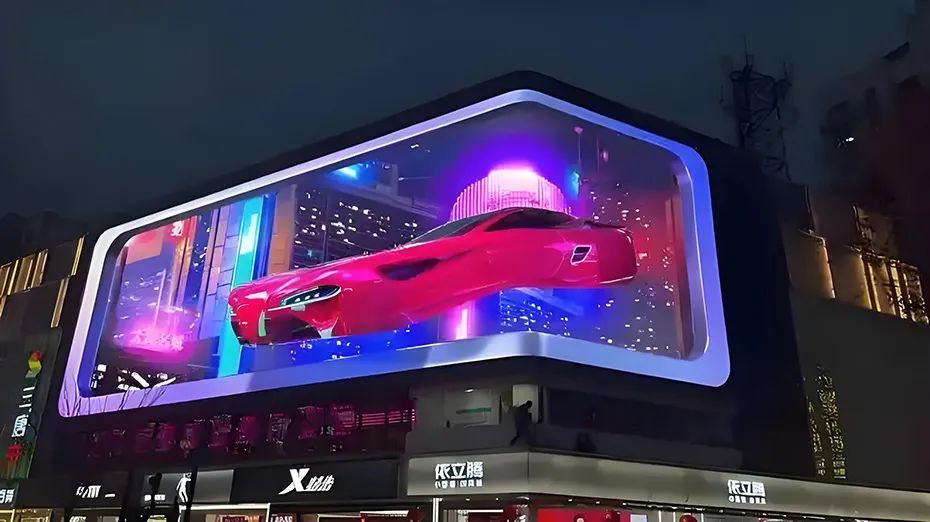
Dalam dunia iklan digital yang berubah dengan cepat, istilah seperti "3D LED billboard" sering digunakan untuk mendeskripsikan papan iklan yang menarik yang terlihat seperti meluncur keluar untuk penonton. Tetapi apa yang artinya "3D" dalam konteks ini? Adakah itu teknologi 3D sebenarnya, atau hanya ilusi 3D yang dibuat oleh desain konten cerdas? Memahami perbedaan ini penting bagi bisnis, penikmat iklan, dan entusiasme teknologi. Dalam pos ini, kita akan masuk ke dalam dunia 3D sebenarnya vs. dinding 3D ilusi LED, mengeksplorasi bagaimana mereka bekerja, keunggulan,batasan, dan yang mana mungkin tepat untuk kebutuhan Anda.
Apa Itu 3D Sebenarnya di Tampilan LED?
Tampilan LED 3D sebenarnya menggunakan perangkat keras yang canggih untuk menciptakan efek stereoskopis, yang berarti mereka mengirimkan gambar yang berbeda ke masing-masing mata, mensimulasikan kedalaman dan membuat konten terlihat tiga dimensi. Ini dicapai melalui teknologi seperti:
- Barier Paralel: Barier fisik disiapkan di depan tampilan LED untuk mengarahkan gambar yang berbeda ke masing-masing mata. Ini menciptakan kesadaran kedalaman tetapi memerlukan penonton untuk berada di posisi khusus (titik "menarik") untuk mengejar efek.
- Lenticular Lenses: Ini adalah array lensi kecil yang ditempatkan di atas layar LED yang refrak cahaya ke arah yang berbeda, memungkinkan masing-masing mata untuk melihat gambar yang sedikit berbeda. Meskipun efektif, teknologi ini sulit untuk skala untuk papan iklan besar.
- Tampilan Volumetrik: Tampilan ini menggunakan lapisan berbagai LED atau sistem proyeksi untuk menciptakan gambar 3D sebenarnya dengan kedalaman. Namun, teknologi ini masih dalam tahap awal dan belum praktis untuk iklan luar ruangan skala besar.
Fitur Kunci Tampilan 3D Sebenarnya
- Diri Habisi Perangkat: Memerlukan perangkat keras khusus seperti barier, lensa, atau tampilan lapisan.
- Effek Stereoskopis: Mengirimkan gambar yang berbeda ke masing-masing mata untuk pengalaman 3D yang asli.
- Pengalaman Imersif: Membuat kesadaran kedalaman yang mengejutkan dan nyata.
Tanggung Jawab Tampilan 3D Sebenarnya
- Biaya Tinggi: Perangkat keras yang dibutuhkan mahal dan kompleks untuk diproduksi.
- Batasan Konten: Tampilan 3D sebenarnya memerlukan konten khusus disesuaikan untuk perangkat keras, membatasi fleksibilitas dan meningkatkan biaya produksi.
- Viewing Angle Restrictions: The 3D effect often only works from a specific angle, reducing accessibility for a wider audience.
- Brightness and Clarity Issues: Adding barriers or lenses can reduce the brightness and clarity of the display, making it less effective in bright outdoor environments.
Due to these challenges, true 3D LED displays are rare and not widely used in the advertising industry.
What Is a 3D Illusion in LED Walls?
Most so-called “3D LED billboards” are actually 2D LED walls that use clever content design to create the illusion of depth. These displays rely on techniques like:
- Parallax Effects: By moving different layers of the content at different speeds, designers can create a sense of depth. For example, foreground elements move faster than background elements, mimicking how objects appear to move in real life.
- Perspective Shifts: Content is designed to change perspective as the viewer moves, creating the illusion that the display is three-dimensional.
- Motion Graphics: Dynamic animations and motion effects can trick the brain into perceiving depth where there is none.
- High Refresh Rates and Brightness: Modern LED walls have high refresh rates and brightness levels, making the content appear more vivid and lifelike.
Key Features of 3D Illusion LED Walls
- Content-Driven: Relies on creative content design rather than specialized hardware.
- Biaya yang efektif: Uses standard LED technology, making it more affordable to produce and maintain.
- Flexible Content: Content can be easily updated or changed without requiring specialized hardware or software.
- Wide Viewing Angles: The 3D effect can be designed to work from multiple angles, making it accessible to a larger audience.
Advantages of 3D Illusion LED Walls
- Affordability: Much cheaper to produce and maintain compared to true 3D displays.
- 可扩展性: Can be built to almost any size, making them ideal for large-scale outdoor advertising.
- Kegemukan Penggunaan: Content can be created and updated using standard tools and software.
- Audience ReachThe 3D effect can be designed to work from multiple angles, ensuring a wider audience can enjoy the experience.
Limitations of 3D Illusion LED Walls
- Not True 3DThe effect is purely visual and relies on the viewer’s perception. It does not provide a genuine stereoscopic 3D experience.
- Dependent on Content QualityThe effectiveness of the 3D illusion depends heavily on the quality of the content design. Poorly designed content may fail to create a convincing effect.
- Sweet Spot DependencyWhile some designs work from multiple angles, the most impressive effects are often only visible from a specific viewpoint.
Why the Confusion Exists
The confusion between true 3D and 3D illusion LED displays stems from marketing. Many companies use the term “3D LED billboard” to describe their displays, even though they are not true 3D. This can be misleading for customers who expect a genuine 3D experience.
However, it’s important to note that 3D illusion LED walls can still be incredibly effective. When done well, the content can create a stunning visual experience that captivates audiences and leaves a lasting impression.
True 3D vs. 3D Illusion: Which Should You Choose?
The choice between true 3D and 3D illusion LED displays depends on your goals, budget, and technical requirements.
- Choose True 3D If:
- You need a cutting-edge display for a specialized application (e.g., a high-end retail store or exhibition).
- You have the budget for expensive hardware and specialized content.
- You are willing to accept the limitations, such as restricted viewing angles and higher maintenance costs.
- Choose 3D Illusion If:
- You want a cost-effective solution for large-scale outdoor advertising.
- You need flexibility in content creation and updates.
- You want to reach a wide audience with a visually impressive display.
The Future of 3D LED Technology
While true 3D LED displays are not yet practical for widespread use, advancements in technology may change this in the future. Researchers are exploring new methods, such as 獨角獸顯示 13. 以及 light field technology, which could make true 3D displays more accessible and scalable.
In the meantime, 3D illusion LED walls will continue to dominate the market, offering a balance of affordability, flexibility, and visual impact.
總結
Understanding the difference between 3D sebenarnya 13. 以及 ilusi 3D in LED displays is crucial for making informed decisions about your advertising strategy. While true 3D displays offer a genuine stereoscopic experience, they come with significant challenges and limitations. On the other hand, 3D illusion LED walls provide a cost-effective and flexible solution that can still deliver stunning visual effects.
At Lynnhan, we specialize in creating high-quality LED displays that push the boundaries of innovation. Whether you’re looking for a true 3D experience or a captivating 3D illusion, our team can help you achieve your goals. Contact us today to learn more about our products and services!