
Lynnhan – KwaNdoqo Ngumntu Owabonakalayo | LED/OLED/LCD/E-paper digital signages
Lynnhan – KwaNdoqo Ngumntu Owabonakalayo | LED/OLED/LCD/E-paper digital signages
Lynnhan – KwaNdoqo Ngumntu Owabonakalayo | LED/OLED/LCD/E-paper digital signages
Lynnhan – KwaNdoqo Ngumntu Owabonakalayo | LED/OLED/LCD/E-paper digital signages
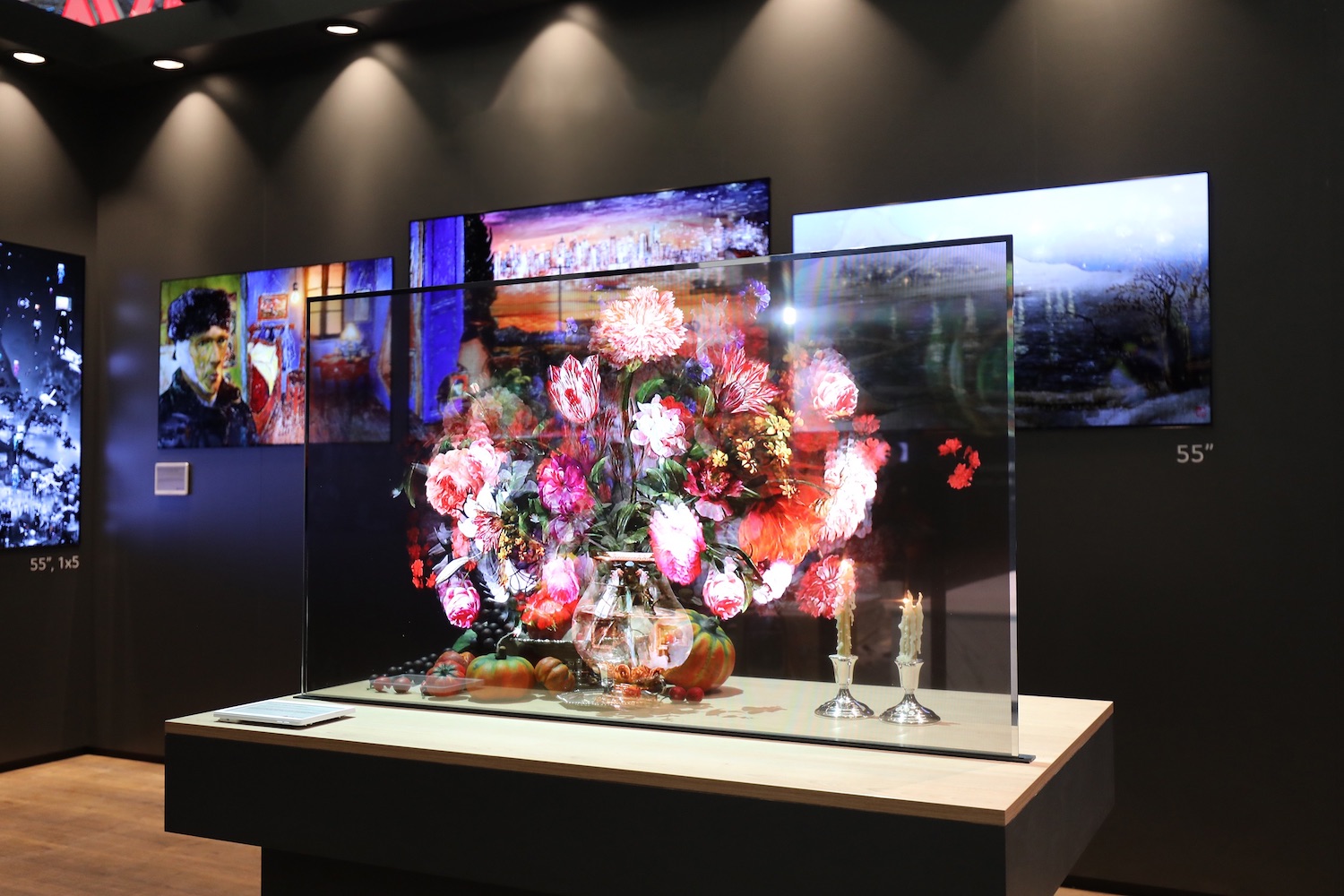
OLED Displays in Museums: Elevate Art & Visitor Engagement
博物馆不再是仅仅收藏历史和艺术的场所——它们正在演变成为 动态的、互动的和沉浸式的空间 用尖端技术吸引游客。其中最具有变革性的创新之一是使用 OLED(有机发光二极管)屏幕。凭借其无与伦比的视觉质量、灵活性和能源效率,OLED屏幕正在重新定义博物馆如何与观众互动。
在这篇文章中,我们将探讨 博物馆中OLED显示屏的顶级应用,它们的益处以及它们如何塑造文化和教育空间的未来。无论你是博物馆馆长、技术爱好者,还是对艺术与创新的交汇点感兴趣,这篇指南都将提供有价值的见解。
为什么OLED屏幕是博物馆的完美选择
OLED技术已经彻底改变了显示行业,提供了 优越的图像质量、灵活性和能源效率。与传统的LED或LCD屏幕不同,OLED屏幕可以自行发光,无需背光。这导致 深邃的黑色、鲜艳的颜色和超薄设计.
以下是为什么OLED屏幕是博物馆的理想选择:
- 无与伦比的视觉质量:OLED屏幕提供 真实的黑色、无限对比度和宽广的视角,确保每件艺术品或文物的每一个细节都以惊人的清晰度呈现。
- 灵活性:OLED面板可以制造得 超薄、灵活,甚至透明,使博物馆能够创造独特和创新的表现。
- انرژیای بهینه节能 :OLED屏幕比传统显示设备消耗更少的电力,是博物馆 可持续的选择
- 耐用性。 耐用性和长期性 :没有背光和更少的组件,OLED屏幕比其他显示技术
- 更耐用且使用寿命更长。设计自由 curved, folded, or even rolled, enabling museums to create custom-shaped displays that blend seamlessly with their architecture.
Top Applications of OLED Screens in Museums
1. Enhanced Art and Artifact Displays
One of themost compelling uses of OLED screens in museums is to enhance the display of art and artifacts. Traditional glass cases and static displays often fail to capture the full beauty and intricacy of exhibits. OLED screens, with their vivid colors and true blacks, bring these displays to life.
- Digital Art: Museums can use OLED screens to showcase digital art collections with unparalleled color accuracy and contrast.
- High-Resolution Zoom: Visitors can explore the finest details of an artifact or painting by zooming in on high-resolution images displayed on OLED screens.
- Dynamic Lighting: OLED screens can simulate natural lighting conditions, allowing museums to display artworks as they were originally intended to be seen.
2. Immersive Environments
OLED screens are perfect for creating immersive environments that transport visitors to different worlds and eras.
- Curved and Flexible Displays: OLED screens can be bent or curved to create 360-degree immersive experiences. For example, a history museum could recreate an ancient battlefield, complete with lifelike visuals and soundscapes.
- Transparent OLEDs: Transparent OLED screens can be used to create holographic displays or overlay digital information onto physical exhibits, adding a layer of interactivity and depth.
3. Interactive Storytelling
OLED screens enable interactive storytelling, making museum visits more engaging and educational.
- Touchscreen Displays: OLED touchscreens allow visitors to explore interactive timelines, maps, and infographics at their own pace.
- Augmented Reality (AR): OLED screens can be integrated with AR technology to overlay digital information onto physical exhibits. For instance, pointing a smartphone at a dinosaur skeleton could reveal a 3D animation of how the dinosaur moved.
- Gamification: Museums can use OLED screens to create educational games and quizzes, making learning fun for visitors of all ages.
4. Dynamic Wayfinding and Information Displays
Navigating large museums can be challenging for visitors. OLED screens can serve as dynamic wayfinding tools, helping guests find their way around with ease.
- Interactive Maps: Large-format OLED screens can display interactive maps that highlight key exhibits, amenities, and events.
- Real-Time Updates: OLED screens can provide real-time information о информации о графике выставок, экскурсиях и специальных событиях.
- Multilingual Support: OLED screens can display information in multiple languages, making museums more accessible to international visitors.
5. Temporary and Rotating Exhibits
Museums often host temporary exhibits that require flexible display solutions. OLED screens are perfect for this purpose, as they can be easily updated with new content.
- Digital Galleries: Instead of printing and framing artworks, museums can use OLED screens to display digital galleries that can be changed with a few clicks.
- Cost-Effective Solutions: OLED screens eliminate the need for physical materials, reducing costs and environmental impact.
6. Sustainability and Energy Efficiency
As museums strive to become more sustainable, OLED screens offer an eco-friendly alternative to traditional displays.
- Low Power Consumption: OLED screens consume significantly less energy than traditional lighting and display systems.
- Long Lifespan: With a lifespan of up to 100,000 hours, OLED screens reduce the need for frequent replacements, minimizing waste.
- Recyclable Materials: Many OLED screens are made from recyclable materials, further reducing their environmental impact.
7. Accessibility and Inclusivity
OLED screens can make museums more pristupno in vključujočno za vse obiskovalce, tudi tiste z invalidnostjo.
- Zvočne opise: OLED zasloni lahko prikazujejo besedilo in zvočne opise za vidno omejenim obiskovalcem.
- Videi s pripisom: Muzeji lahko uporabljajo OLED zaslone za prikaz videov s pripisom, kar omogoča dostopnost razstav za slišno omejenim obiskovalcem.
- Prilagodljiva svetlost: OLED zasloni se lahko prilagodijo za potrebe obiskovalcev z osjetljivostjo na svetlo.
Kako izbrati prave OLED zaslone za vaše muzej
Pri izbiri OLED zaslonov za vašo zbirko razmislite o naslednjih faktorjih:
- Rezolucija: Izberite zaslone z 4K ali 8K rezolucijo za najboljšo vizualno kakovost.
- Svetlost: Izberite zaslone z visokimi raven svetlosti za zagotavljanje videnosti v osvetljenih prostorih.
- 灵活性: Iskanje zaslonov, ki se lahko prilagodijo v unikate oblike in konfiguracije.
- Interactivity: Razmislite o dotakalnih ali gibanjskih zaznavanjih za interaktivne razstave.
- 耐用性: zagotovite, da so zasloni zgrajeni za izdržljivost obsežne uporabe in okoljske dejavnike.
Završenje: Buda muzejev je OLED
OLED zasloni transformirajo muzeje v 动态的、互动的和沉浸式的空间 тие, што всèдайсèки празглеждач ùчествува и образовава, каквото никогаш преди. Од подобряване на изложбите до създаване на напълно имеративни среди, възможностите са безкрайни.
At Linnhan, we specialize in providing революционни OLED решèния прilажени спрямо уникалните нужди на музеите. Независимо дали търсите да създадете впечатляваща цифрово изкуство изложба или интерактивна система за навигация, ние сме тук, за да ви помогнем да осъществите вашето видение.