
1. Lynnhan – Нақты жетекші | LED/OLED/LCD/E-paper дигиталдық таңбалықтар
2. Lynnhan – Нақты жетекші | LED/OLED/LCD/E-paper дигиталдық таңбалықтар
1. Lynnhan – Нақты жетекші | LED/OLED/LCD/E-paper дигиталдық таңбалықтар
2. Lynnhan – Нақты жетекші | LED/OLED/LCD/E-paper дигиталдық таңбалықтар
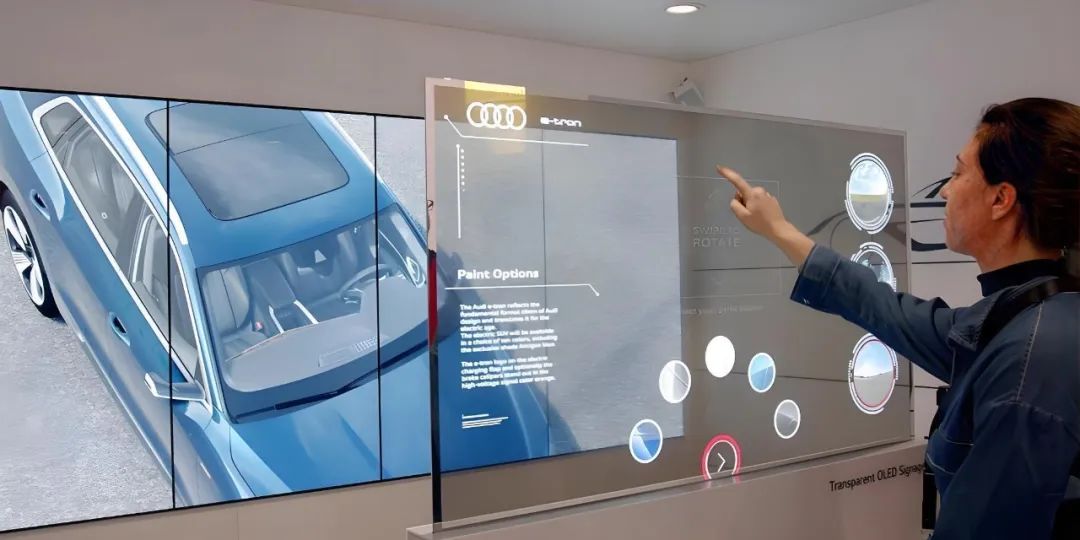
1. Дисплей техникасының дүниеуінде OLED (Органикалық жарық шығаратын диод) ойнақты түсіргіш болып шықты. Жарқын сурет сапасы, қыспақ түсінді және энергиялық жақсартушылық қасиеттерімен танымал, OLED экрандар түзілімдерін құралына түскен электрлектрондық құрылғыларданрекламаға дейінгі сән сәнді өнеркәсіптерді революциялауда. Lynnhan.com, сіздің қалайтын тұрақты тұрғындыңыз, біз OLED экрандардың не екенін, қалай жұмыс жасайтын және сәбіттілігін аңықтауға келдімеуіңізге келеді.
5. ОLED көрсету нәтижесі не?
2. OLED экран – бұл көрсету техникасы, электр тогы қолданылғанда органикалық қосылыстар арқылы жарық шығаратын түр. Традициялық LED немесе LCD экрандарға қарағанда, олар экрандықты құйылу үшін арнайы жарықтырғыш қажет, OLED экрандардың қарасына қарай біріншілік пайдаланушысы әр пайдаланушысы әр пайдаланушысы әр пайдаланушысы әр пайдаланушысы әр пайдаланушысы әр пайдаланушысы әр пайдаланушысы әр пайдаланушысы әр пайдаланушысы әр пайдаланушысы әр пайдаланушысы әр пайдаланушысы әр пайдаланушысы әр пайдаланушысы әр пайдаланушысы әр пайдаланушысы әр пайдаланушысы әр пайдаланушысы әр пайдаланушысы әр пайдаланушысы әр пайдаланушысы әр пайдаланушысы әр пайдаланушысы әр пайдаланушысы әр пайдаланушысы әр пайдаланушысы әр пайдаланушысы әр пайдаланушысы әр пайдаланушысы әр пайдаланушысы әр пайдаланушысы әр пайдаланушысы әр пайдаланушысы әр пайдаланушысы әр пайдаланушысы әр пайдаланушысы әр пайдаланушысы әр пайдаланушысы әр пайдаланушысы әр пайдаланушысы әр пайдаланушысы әр пайдаланушысы әр пайдаланушысы әр пайдаланушысы әр пайдаланушысы әр пайдаланушысы әр пайдаланушысы әр пайдаланушысы әр пайдаланушысы әр пайдаланушы
How Does an OLED Display Work?
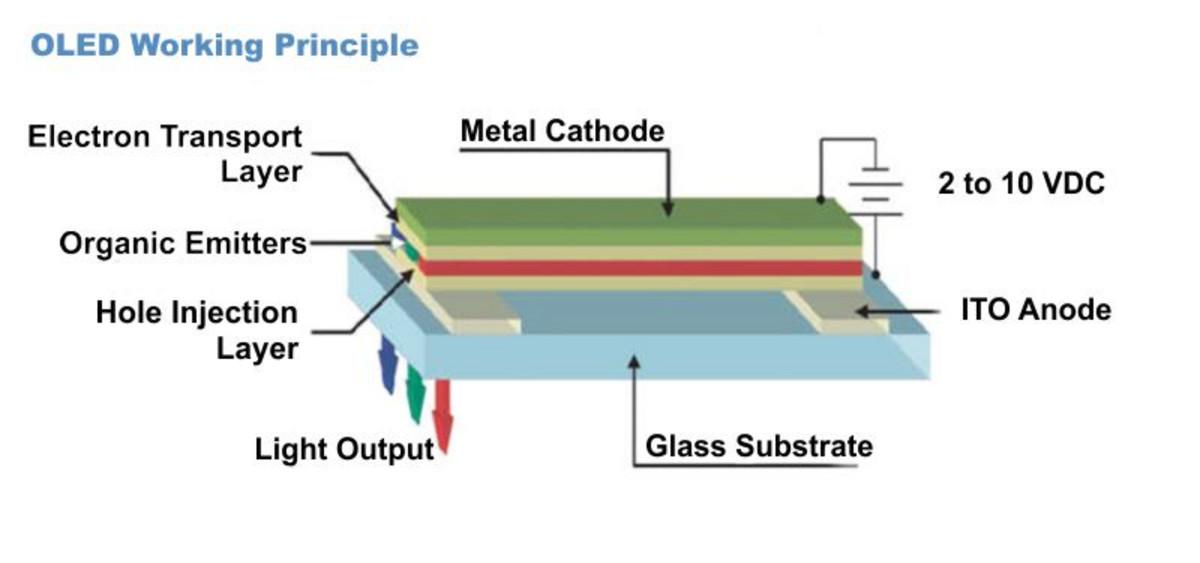
OLED displays are made up of thin layers of organic materials sandwiched between two electrodes (an anode and a cathode). When electricity is applied, the organic compounds emit light. The basic structure of an OLED display includes:
- Substrate: The base layer, usually made of glass or plastic, that supports the OLED structure.
- Anode: A transparent layer that removes electrons when a current is applied.
- Organic Layers: These include the emissive layer (which emits light) and the conductive layer (which transports electrons).
- Cathode: A reflective layer that injects electrons into the organic layers.
When voltage is applied, electrons flow from the cathode to the anode, passing through the organic layers. This process excites the organic molecules, causing them to emit light. By controlling the intensity of the light emitted by each pixel, OLED displays can produce a wide range of colors and shades.
Types of OLED Displays
At Lynnhan.com, we offer a variety of OLED displays to meet different needs. Here are the most common types:
- Passive-Matrix OLED (PMOLED)
PMOLED displays are simpler in design and are typically used in smaller devices like smartwatches and MP3 players. They are cost-effective but have limitations in terms of resolution and screen size. - Active-Matrix OLED (AMOLED)
AMOLED displays are more advanced and are commonly used in smartphones, tablets, and TVs. They use a thin-film transistor (TFT) backplane to control each pixel individually, resulting in higher resolution, faster response times, and better energy efficiency. - Flexible OLED
Flexible OLED displays are made using plastic substrates instead of glass, allowing them to bend or fold. These displays are used in innovative applications like foldable smartphones and curved TVs. - Transparent OLED
Transparent OLED displays allow light to pass through the screen, making them ideal for augmented reality (AR) applications, retail displays, and smart windows. - Top-Emitting OLED
These displays emit light from the top of the structure, making them more efficient and suitable for high-resolution applications like microdisplays.
Benefits of OLED Displays
OLED displays offer several advantages over traditional display technologies like LED and LCD. Here are some of the key benefits:
- Perfect Blacks and Infinite Contrast
Since each pixel emits its own light, OLED displays can completely turn off individual pixels to achieve true blacks. This results in an infinite contrast ratio, providing a more immersive viewing experience. - Кең көрінуге көрсету өлшемі
OLED displays maintain consistent color and brightness even when viewed from extreme angles, making them ideal for group viewing. - 1. Тонкий и легкий дизайн
2. ЖҚД құрылғалары артық жарық керектіріп түсіріледі, олардың шынында ақырындағы құрылғалардың қаттынауына болады. Бұл оларды қосымша құйырқы, қазіргі заманғы құрылғаларға үлкен көңіл бөледі. - 13. : Традициялық экрандарға қарағанда көпінесе энергия түсіреді.
3. ЖҚД құрылғаларынағы көптеген энергия керектірілуі, оның ішінде қарағанда, көрінбейтін пайдалы қабықтарға түртілген болады. - 4. Жылдам қайта жүктелу уақыты
5. ЖҚД құрылғаларының LCD-ге қарағанда жылдам қайта жүктелу уақыты бар, олар қозғалыс қызылдығын азайтын және оларды ойындар мен жылдам көрінбейтін құралдар үшін үлкен қабілеттілікті береді. - 6. Түрлі түстер
7. ЖҚД құрылғалары кең түстің көлемін ұсынады, олар арқылы көбірек қуыршақ пен үлкен сипаттағы суреттерді қалыптастырады.
8. ЖҚД құрылғаларының қолданылуы
9. ЖҚД құрылғаларынағы жоғары қабілеттілігі мен кең тармақталған пайдалануына байланысты, көптеген секторларда қолданылады. Олардың ең көп таралған қолданылуы:
- Consumer Electronics: 10. ЖҚД құрылғалары сұрғылаушыларда, тақтақтақтарда, компьютерлерде және телеэкранда кеңінен қолданылады, олар арқылы сенімділіктің қуыршақ және қазіргі заманғы құрылғаларды ұсынады.
- 11. Кіріп-шығу құрылғалары: 12. Смарт сағаттар мен жиырмақтаулар энергияны септіріп түсіруі мен қызмет көрсетуіне қолданылады.
- 18. Автомобил: 13. ЖҚД құрылғалары ауто қондырғалары, инфотainment жүйелері және артық жерде қызмет көрсету қабықтарында қолданылады.
- Advertising: 14. Дигиталды белгілер мен дүкен қызметтерінің артық түсті және қосымша қылықтарына қолданылады.
- 16. Медициналық құрылғылар: 15. Ж
- Augmented Reality (AR): Transparent OLED displays are ideal for AR applications, providing a seamless blend of digital and real-world content.
OLED vs. LED/LCD Displays
While OLED displays offer many advantages, it’s important to understand how they compare to traditional LED and LCD displays:
- Black Levels: OLED displays can achieve perfect blacks, while LED/LCD displays rely on backlighting, which can cause light bleed.
- Viewing Angles: OLED displays maintain consistent colors at wide angles, whereas LED/LCD displays may experience color shifting.
- Thickness: OLED экрандердер жарықтың жоқтығына байланысты қалың және жеңіл.
- Және қайтымдылық: LED/LCD displays generally have a longer lifespan, as OLED displays can experience burn-in over time.
- Cost: OLED displays are typically more expensive than LED/LCD displays, though prices are gradually decreasing.
Why Choose Lynnhan.com for Your OLED Display Needs?
At Lynnhan.com, we are committed to providing high-quality OLED displays that meet the needs of our customers. Here’s why you should choose us:
- 4. Түрлі түрлердің өнімдері: We offer a diverse selection of OLED displays, flexible, and transparent options.
- Superior Quality: 6. Біздің өнімдеріміз тәңірлі шығарышшылардан келеді және қатты сапа түсіндіріледі.
- Expert Support: 7. Біздің белсенді екілігіміз сіздің қажеттіңізге түсінікті дисплейді таңдауға көмектесе алады.
- Competitive Pricing: 8. Біз көрсету сапасын жоймай, қол жеткізгіш шығындарды ұсынадыз.
- 9. Ұлттық және шетелге жеткізу: 10. Сіздің қайсы жерде болғаныңызға байланысты, біз әрине әрине әрине әрине әрине әрине әрине әрине әрине әрине әрине әрине әрине әрине әрине әрине әрине әрине әрине әрине әрине әрине әрине әрине әрине әрине әрине әрине әрине әрине әрине әрине әрине әрине әрине әрине әрине әрине әрине әрине әрине әрине әрине әрине әрине әрине әрине әрине әрине әрине әрине әрине әрине әрине әрине әрине әрине әрине әрине әрине әрине әрине әрине әрине әрине әрине әрине әрине әрине әрине әрине әрине әрине әрине әрине әрине әрине әрине әрине әрине әрине әрине әрине әрине әрине ә
Conclusion
OLED displays represent the pinnacle of display technology, offering unparalleled picture quality, energy efficiency, and design flexibility. Whether you’re looking for a high-end TV, a cutting-edge smartphone, or an innovative advertising solution, OLED displays deliver exceptional performance.
Explore our collection today and discover the perfect OLED display for your needs.
For more information or to place an order, visit Lynnhan.com. Let us help you experience the future of display technology with OLED!