
Lynnhan – əvansıdxalı Təchizatçı | LED/OLED/LCD/E-paper digital signages
Lynnhan – əvansıdxalı Təchizatçı | LED/OLED/LCD/E-paper digital signages
Lynnhan – əvansıdxalı Təchizatçı | LED/OLED/LCD/E-paper digital signages
Lynnhan – əvansıdxalı Təchizatçı | LED/OLED/LCD/E-paper digital signages
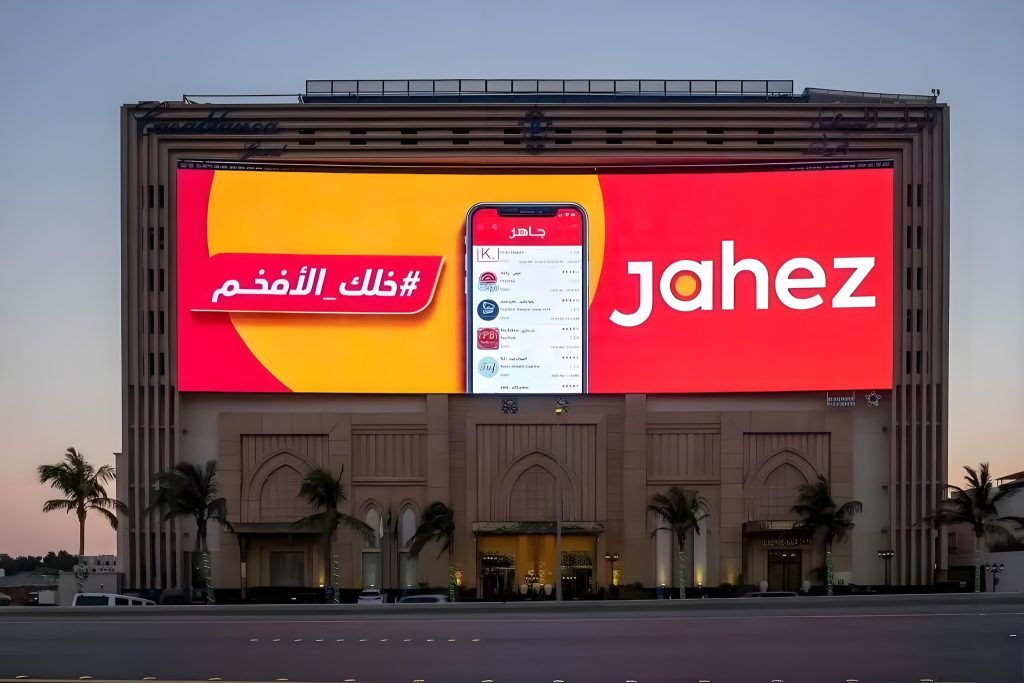
Table of Contents
- Introduction: The Growing Demand for Heat-Resistant LED Displays
- Why Standard LED Screens Fail in Extreme Heat
- How We Engineer LED Displays for 50°C+ Environments
- Key Features of High-Temperature LED Displays
- Real-World Applications: Where Heat-Resistant LED Screens Excel
- Case Study: Surviving the Desert – A 50°C Stress Test
- How to Choose the Right LED Display for Hot Climates
- Maintenance Tips for Longevity in Harsh Conditions
- Why Our LED Displays Outperform Competitors in Extreme Heat
- FAQs: Heat-Resistant LED Displays
1. Introduction: The Growing Demand for Extreme-Heat LED Displays
With global temperatures rising, industries in desert regions (Middle East, Africa, Australia) , where face increasing challenges in maintaining outdoor digital signage. Traditional LED displays often overheat, dim, or fail when exposed to prolonged 50°C+ (122°F+) conditions , leading to:Increased cooling costs
- (AC/fans consume 30-50% extra power) Higher maintenance
- (dust/sand ingress from cooling systems) Shortened lifespan
- (thermal stress damages components) Our
military-grade Extreme-Heat LED displays are engineered to operate flawlessly in extreme heat without external cooling , saving energy and reducing downtime.2. Why Standard LED Screens Fail in Extreme Heat
Most LED displays rely on
active cooling (fans/AC) , which createsthree major problems in hot climates: A. Thermal Runaway
High temperatures cause
- LED drivers to overwork , reducing brightness and color accuracy.Without proper heat dissipation,
- components degrade 3x faster B. Dust & Sand Ingress.
Cooling fans suck in
- dust, sand, and moisture CorrosionIncreased cooling costs
- Electrical shorts (from dust buildup)
- C. Energy Waste AC units consume 500W-2kW per hour
just to cool a single screen.
- Fans increase power consumption by 20-30%. Solution:
- passive-cooling technology
eliminates these issues. military-grade Extreme-Heat LED displays We use four key innovations
to ensure reliability in extreme heat:
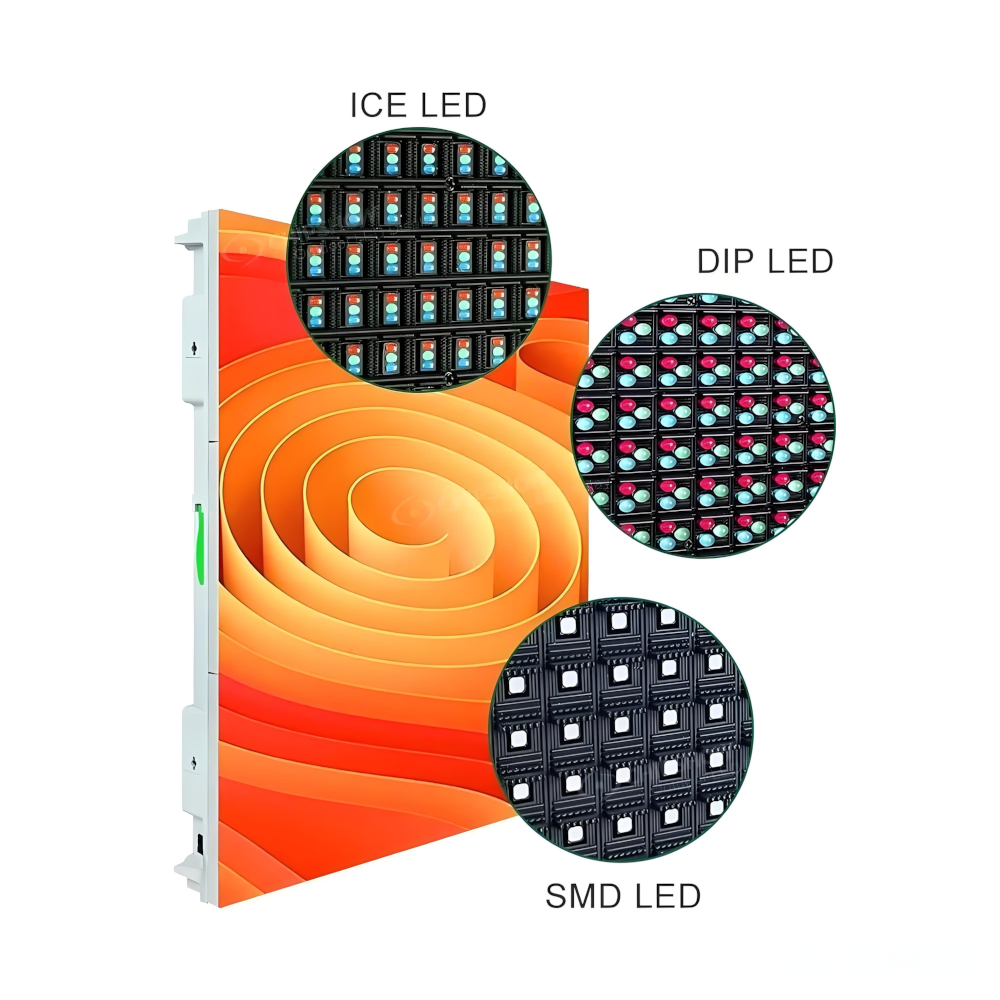
A. ICE LED Technology (Superior to SMD/DIP) Feature Standard SMD LEDs
Our ICE LEDs
| Max Temp | 40°C (104°F) | 60°C (140°F) |
|---|---|---|
| Brightness | 5,000 nits | 8,500 nits |
| (70% brighter) | Power Use | 300W/m² 210W/m² |
| (30% less) | B. Proprietary Heat Dissipation Design | Aluminum alloy cabinets with |
heat-conductive fins
- Thermal silicone pads between modules for even heat distribution No fans needed
- → IP65 dustproof rating
- C. Low-Voltage, High-Efficiency Power System Runs on 110V-220V (stable in voltage-fluctuating regions)
Auto-brightness adjustment
- to reduce heat in direct sunlight D. 50°C Stress Testing (Proven Reliability)
- 72-hour burn-in test at
50°C & 90% humidity
- Thermal imaging confirms no hot spots >55°C 4. Key Features of High-Temperature LED Displays
- Benefit No External Cooling
Saves $3,000+/year in AC costs
| Max Temp | Resists sand, dust, and rain |
|---|---|
| 8000-nit Brightness | Visible in direct desert sun |
| 10-Year Lifespan | 2x longer than conventional screens |
| 5. Real-World Applications | A. Middle East (Dubai, Saudi Arabia, Qatar) |
| Digital billboards | along highways (no AC maintenance) |
Stadium screens
(50°C summer matches)
- B. Mining & Oil/Gas Industry Control room displays
- in 60°C desert sites C. Tropical Coastal Zones
Marina/port signage
- (resists salt corrosion + humidity) 6. Case Study: Surviving the Desert – A 50°C Stress Test
Client:
- A Dubai shopping mall needed outdoor screens
that wouldn’t dim at noon.
P4 ICE LED displays (960x960mm cabinets) No AC units (passive cooling only)
eliminates these issues.
- 0% brightness loss (vs. 20% drop in competitor screens)
- $15,000 saved in cooling costs
Zero maintenance
saw a (no dust cleaning needed) 7. How to Choose the Right LED Display for Hot Climates
saw a Ask these 5 questions
saw a “What’s the max ambient temperature?” (Choose
10°C above
your region’s peak) “Is AC/fan cooling needed?”:
- (If yes, expect higher lifetime costs “What’s the pixel pitch?” (P2.5-P10 for deserts, P1.2-P2 for indoors)
- “Is the brightness adjustable?” (Prevents overheating at noon) “What’s the warranty?”)
- (Look for 5+ years
- on heat-critical parts) 8. Maintenance Tips for Longevity
- Quarterly: Inspect seals for dust/sand (even with IP65) Annually: Reapply thermal paste if in >55°C environments
Never:
- Use water cleaning in dusty areas (dry air spray only) 9. Why Our LED Displays Outperform Competitors
- Factory-direct pricing (no middlemen)
- Global stock (24-hour shipping to Middle East/Africa)
OEM/ODM support
- (custom sizes/brightness) Limited Offer:
- Free thermal simulation report
- with every quote. 10. FAQs
Q: Can your screens handle 60°C? A: Yes, with optional industrial-grade modules (tested to 70°C).
Q: Do you provide sunshades?
A: Yes,
aluminum hoods reduce direct sunlight heating by 15%. Q: How long until ROI vs. AC-cooled screens?
A:
8-14 months (from energy/maintenance savings). Final Thoughts
For deserts, mines, or tropical coasts,
standard LED displays are a liability . Our heat-optimized technology
delivers:
Lower costs (no AC, less power)Zero downtime (no overheating shutdowns) Crisp visuals
DOOH (Digital Out-of-Home) displays (no brightness fade) Ready to upgrade?
DOOH (Digital Out-of-Home) displays Contact us for a
DOOH (Digital Out-of-Home) displays free 50°C thermal test report on your project specs.
Get Inquiry Now ✅ ✔ free 50°C թերմական փորձի զեկույց ձեր տեսակետի նախագծում։