
लिनहैन – विश्वसनीय आपूर्तिकर्ता | LED/OLED/LCD/E-paper डिजिटल सिग्नेज
लिनहैन – विश्वसनीय आपूर्तिकर्ता | LED/OLED/LCD/E-paper डिजिटल सिग्नेज
लिनहैन – विश्वसनीय आपूर्तिकर्ता | LED/OLED/LCD/E-paper डिजिटल सिग्नेज
लिनहैन – विश्वसनीय आपूर्तिकर्ता | LED/OLED/LCD/E-paper डिजिटल सिग्नेज
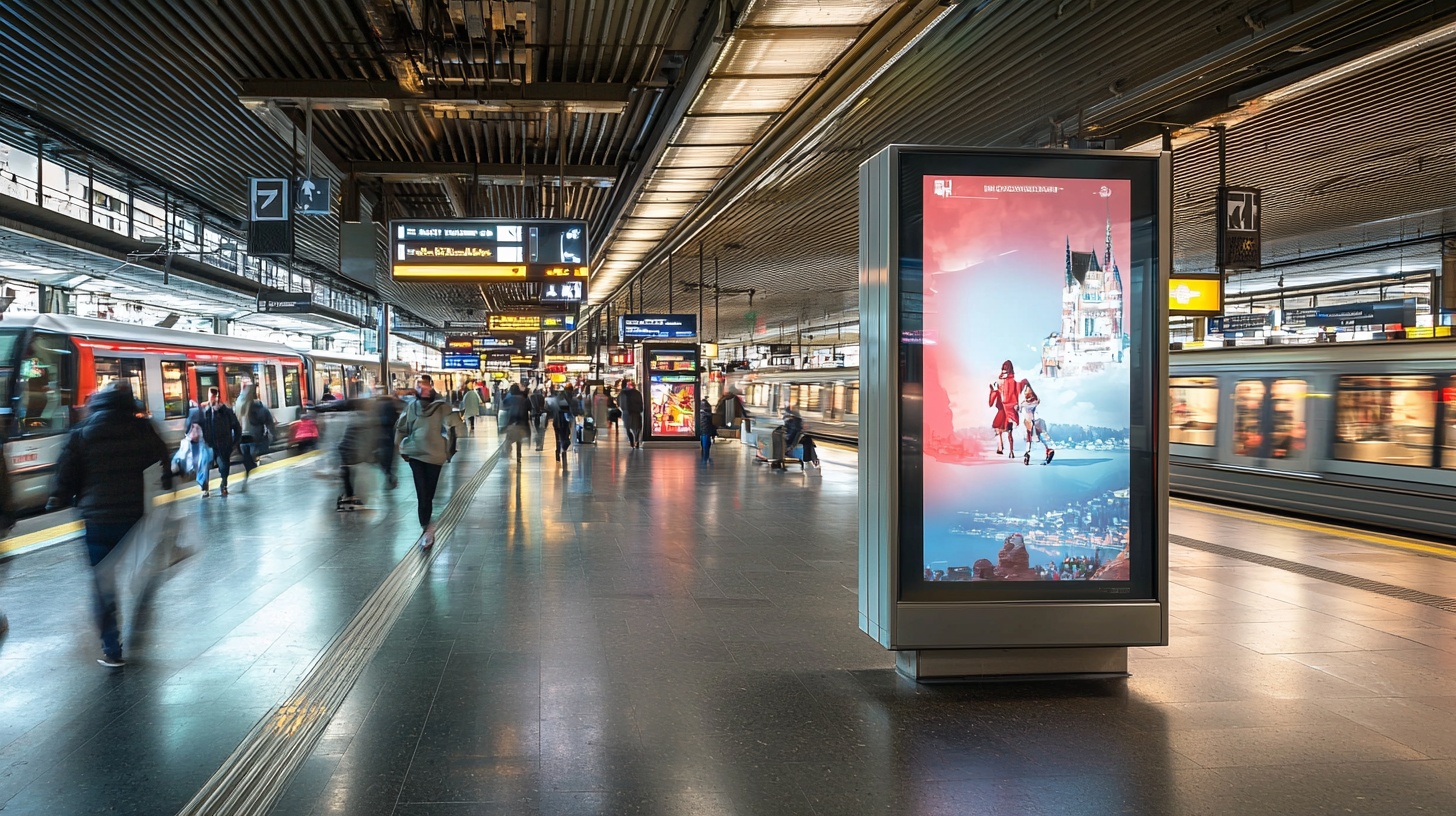
1. प्रदर्शन प्रौद्योगिकी के दुनिया में, एलसीडी (लिक्विड क्रिस्टल डिस्प्ले) दशकों से एक स्तंभ है। टेलीविजन और कंप्यूटर मॉनिटर से लेकर स्मार्टफोन और डिजिटल सिग्नेज तक, एलसीडी डिस्प्ले हर जगह हैं। लिनहैन.कॉम, आपके भरोसेमंद प्रवाहक एलईडी, ओलेड, एलसीडी, ई-पेपर डिस्प्ले और डिजिटल सिग्नेज के लिए, हम यहाँ हैं कि एलसीडी डिस्प्ले क्या है, इसका काम कैसे करता है और क्यों यह अनेकों आवेदनों के लिए लोकप्रिय चयन बना है।
2. एलसीडी डिस्प्ले क्या है?
3. एलसीडी डिस्प्ले एक सपाट-पैनल डिस्प्ले प्रौद्योगिकी है जो चित्रों को उत्पन्न करने के लिए लिक्विड क्रिस्टल का उपयोग करता है। एलसीडी डिस्प्ले कम वजनी, हल्की और अधिक ऊर्जा-संभाली हैं। एलसीडी में लिक्विड क्रिस्टल तत्काल रोशनी नहीं जारी करते हैं; हालांकि, वे एक प्रकाशयंत्र (सामान्यतया एलईडी-आधारित) पर भरोसा करते हैं, जो स्क्रीन को प्रकाशित करता है। इससे एलसीडी डिस्प्ले विविध और विभिन्न उपकरणों के लिए उपयुक्त होते हैं, छोटे डिजिटल घड़ियों से लेकर बड़े स्क्रीन टीवी तक।
4. एलसीडी डिस्प्ले कैसे काम करता है?
5. एलसीडी डिस्प्ले लिक्विड क्रिस्टल का उपयोग करके प्रकाश को संचालित करके काम करता है। यहाँ कीय
- Liquid Crystals:
Liquid crystals are organic compounds that have properties of both liquids and solids. They can change their orientation when an electric current is applied, which allows them to control the passage of light. - Backlight:
LCD displays require a backlight to illuminate the screen. In modern LCDs, this is typically provided by LEDs (Light Emitting Diodes), which are energy-efficient and provide consistent brightness. - Polarizing Filters:
LCD displays have two polarizing filters placed perpendicular to each other. These filters block or allow light to pass through depending on the orientation of the liquid crystals. - Color Filters:
Each pixel in an LCD display is made up of sub-pixels with red, green, and blue color filters. By adjusting the intensity of light passing through these filters, the display can produce a wide range of colors. - Thin-Film Transistors (TFT):
TFTs are used to control each pixel individually, ensuring precise image reproduction and fast response times.

When an electric current is applied, the liquid crystals twist to align with the electric field, allowing light to pass through the polarizing filters and color filters. By controlling the amount of light that passes through each pixel, the display can create images and videos.
Types of LCD Displays
At Lynnhan.com, we offer a variety of LCD displays to meet different needs. Here are the most common types:
- Twisted Nematic (TN) LCD:
TN LCDs are the most basic and cost-effective type. They offer fast response times, making them suitable for gaming and fast-paced content. However, they have limited viewing angles and color accuracy. - In-Plane Switching (IPS) LCD:
IPS LCDs provide superior color accuracy and wider viewing angles compared to TN panels. They are ideal for graphic design, photography, and applications where color consistency is critical. - Vertical Alignment (VA) LCD:
VA LCDs offer better contrast ratios and deeper blacks than TN and IPS panels. They are commonly used in TVs and monitors where image quality is a priority. - Advanced Fringe Field Switching (AFFS) LCD:
AFFS LCDs are an enhanced version of IPS displays, offering even better color reproduction and wider viewing angles. They are used in high-end applications like aviation and medical devices. - Transflective LCD:
Transflective LCDs combine reflective and transmissive properties, making them readable in both bright sunlight and low-light conditions. They are commonly used in outdoor devices and wearables.
Benefits of LCD Displays
LCD displays have remained popular for decades due to their numerous advantages:
- 26. स्मार्ट डिमिंग
1. LCD प्रदर्शकों में पुरानी प्रौद्योगिकियों जैसे CRT की तुलना में कम बिजली खपत होती है, जो उन्हें पर्यावरण-अनुकूल विकल्प बनाता है। - 2. सूक्ष्म और हल्का डिजाइन:
3. LCD प्रदर्शकों की तुलना में CRT प्रदर्शकों कहीं अधिक सूक्ष्म और हल्की होती हैं, जो आधुनिक, शानदार उपकरणों के लिए आदर्श हैं। - 4. चमकीलापन और स्पष्टता:
5. LCD प्रदर्शकों में बेहतरीन चमकीलापन और स्पष्टता होती है, जो आंतरिक और बाह्य आवेदनों के लिए उपयुक्त हैं। - 6. लागत-दूरी:
7. LCD प्रदर्शकों की कीमत नई प्रौद्योगिकियों जैसे OLED से कहीं कम है, जो बजट-संवेदी उपभोक्ताओं के लिए एक व्यावहारिक विकल्प है। - 8. लंबा आयु:
9. LCD प्रदर्शकों का आयु काल लंबा होता है, विशेष रूप से LED प्रकाशयोजना के साथ, जो बार-बार प्रतिस्थापन की आवश्यकता को कम करता है। - 10. विविधता:
11. LCD प्रदर्शकों का इस्तेमाल विभिन्न आवेदनों में किया जाता है, जैसे उपभोक्ता इलेक्ट्रॉनिक्स से लेकर औद्योगिक उपकरणों तक।
12. LCD प्रदर्शकों के आवेदन:
13. LCD प्रदर्शकों का इस्तेमाल अनेक उद्योगों और उपकरणों में किया जाता है। यहाँ कुछ सबसे आम आवेदन हैं:
- Where do you see the next breakthrough in LED displays? Let’s discuss! 14. LCD प्रदर्शकों का व्यापक इस्तेमाल टीवी, कंप्यूटर मॉनिटर, लैपटॉप, टैबलेट और स्मार्टफोन में किया जाता है
- Digital Signage: LCD displays are a popular choice for digital signage in retail stores, airports, and public spaces.
- Medical Devices: LCD displays are used in medical imaging equipment, patient monitors, and diagnostic tools.
- Automotive: LCD displays are used in car dashboards, infotainment systems, and rear-seat entertainment screens.
- Industrial Equipment: LCD displays are used in control panels, machinery interfaces, and measurement devices.
- Gaming: LCD monitors with fast response times are popular among gamers for their smooth performance.
LCD vs. OLED Displays
While LCD displays offer many advantages, it’s important to understand how they compare to OLED displays:
- Black Levels: OLED displays can achieve perfect blacks, while LCD displays rely on backlighting, which can cause light bleed.
- Viewing Angles: OLED displays maintain consistent colors at wide angles, whereas LCD displays may experience color shifting.
- 1. लाइनरी: 2. ऑलेडी प्रदर्शक बैकलाइट के अभाव के कारण पतले और हल्के होते हैं।
- 3. जीवनसार: 4. एलसीडी प्रदर्शकों का आमतौर पर जीवनसार अधिक लंबा होता है क्योंकि ऑलेडी प्रदर्शकों में समय के साथ बर्न-इन हो सकता है।
- 5. लागत: 6. एलसीडी प्रदर्शक आमतौर पर ऑलेडी प्रदर्शकों की तुलना में कम लागत वाले होते हैं।
7. आपके एलसीडी प्रदर्शक की जरूरतों के लिए क्यों लिनहैन.कॉम को चुनना?
8. लिनहैन.कॉम में, हम अपने ग्राहकों की जरूरतों को पूरा करने वाले उच्च गुणवत्ता वाले एलसीडी प्रदर्शकों को प्रदान करने के लिए प्रतिबद्ध हैं। यहाँ क्यों आप हमें चुनना चाहिए:
- 9. विविध उत्पादों की विस्तृत श्रृंखला: 10. हम विभिन्न एलसीडी प्रदर्शकों, जिनमें टीएन, आईपीएस और वीए पैनल शामिल हैं, का विविध चयन प्रदान करते हैं।
- 7. Robust & Future-Ready 11. हमारे उत्पाद विश्वसनीय निर्माताओं से प्राप्त होते हैं और गंभीर गुणवत्ता निरीक्षण से गुजरते हैं।
- Transform your workspace with 12. हमारा विशेषज्ञ दल हमेशा आपको आपके अनुप्रयोग के लिए सही प्रदर्शक चुनने में सहायता करने के लिए तैयार है।
- energy-efficient 13. हम गुणवत्ता पर कष्ट नहीं करते हुए किफायती समाधान प्रदान करते हैं।
- 14. वैश्विक शिपिंग: 15. आप कहाँ होने, हम अपने उत्पादों को वैश्विक रूप से डिलीवरी करते हैं।
4. संक्षेप
LCD displays have stood the test of time, offering a reliable and cost-effective solution for a wide range of applications. Whether you’re looking for a high-quality TV, a versatile digital signage solution, or a durable industrial display, LCD technology delivers exceptional performance.
At Lynnhan.com, we are proud to be your trusted supplier of LCD, LED, OLED, E-Paper displays, and digital signage. Explore our collection today and discover the perfect LCD display for your needs.
For more information or to place an order, visit Lynnhan.com. Let us help you find the ideal display solution for your next project!