

1. 机场LED显示屏系统简介
现代机场是一个复杂的生态系统,高效的信息流通对于运营成功和乘客满意度至关重要。LED显示屏技术已经成为这一基础设施的基石,从简单的标牌发展到各个功能区域的组成部分。这些显示屏不仅仅是视觉辅助工具;它们是动态的通信平台,可以增强安全性,简化运营,并显著改善乘客体验。 135.
LED显示屏在现代机场中的战略重要性在于它们能够在动态和通常压力很大的环境中提供实时、高度可见的信息。与传统的静态标牌或较老的显示技术不同,LED提供优越的亮度、对比度和色彩准确性,确保信息在变化的光照条件下,包括直射阳光下,都易于阅读。 4增强的可见性对于传达紧急信息、引导乘客和维护运营效率至关重要。 4.
LED显示屏的多样化功能角色贯穿整个机场旅程,从旅客到达航站楼到登机、行李提取。它们对于传播关键的航班信息、提供直观的导航、显示安全信息,甚至提供娱乐和广告内容至关重要。这项技术的影响是多方面的,有助于减少乘客焦虑、改善交通流量、增强安全性和为机场创造更多的收入机会。 15.
2. 多样化的应用和需求
LED显示屏技术在机场的应用非常广泛,每个用例都提出了独特的性能需求。理解这些多样化的需求对于选择和部署适当的显示解决方案至关重要。
航班信息显示系统(FIDS)
FIDS可能是机场中LED显示屏最关键的应用。这些系统提供航班到达和出发的实时更新,包括时间、登机口号码、柜台和状态(例如,“准点”、“延误”、“登机”、“降落”)。 16FIDS显示屏的独特需求包括:
- 实时数据集成: 无缝连接到机场运营数据库(AODB)对于显示准确和最新的信息至关重要。 2.
- 高可靠性和可用性: FIDS是关键任务系统;任何故障都可能导致重大干扰。显示屏必须设计为24/7运行,具有坚固的组件和可能的冗余系统。 8.
- 清晰度和可读性: 信息必须从各种距离和角度轻松阅读,需要适当的像素间距和宽视角。 3.
- 处理代码共享: FIDS必须准确显示在代码共享协议下的多航班号的信息。 6.
- 一致的表现: 机场内所有FIDS显示屏的统一布局和外观对于乘客的易用性至关重要。 8.
- 手动覆盖能力: 虽然是自动化的,但系统应允许在系统故障或特定运营需求的情况下进行手动更新。 7.
广告和品牌推广
LED显示屏在机场航站楼、中庭甚至户外区域广泛用于广告。 15这些显示屏提供动态内容能力,比静态广告牌更具吸引力。广告显示屏的要求包括:
- 高亮度和色彩准确性: 为了在明亮的环境中吸引注意力和有效地传达品牌信息。 4.
- 适应性和灵活性: 支持各种内容格式(图像、视频、文本)并根据时间、位置或受众人口统计信息更改内容的能力。 1.
- 高刷新率: 1. Ҳаcкaнaмaн video playback-и тик тиклани нингисинингин таъминлаш ва фликeрларни бошқариш, ки нингиси кандай гузаштувчи иқтибос ва очидан саргузаштани кам шудани мажбuri аст 5.
- 耐用性: 2. Муътамаротан, қишлоқ инсталлациялар, қароққалар мавқеъи ҳаво ва температураи тақсимотиҳо кишикуниҳо савомандагии муҳити таъминлаш мустақим аст 11.
- 3. Систеъми Менеджменти Материал (CMS) Интеграция: 4. Систеъми CMS-и зич барои тақвиқот, баҳрақот ва тавли内容由ғизиш шудаи тартибдориҳо zarур аст 41.
5. Тавсиргирӣ ва Навигация
6. LED displays "мутахассисҳои навигацияи оқил" сифати, сарфони аеропортҳои анҷомдодаи нисбатдор, кӯҳнақоқ, қабулоти сарфонаҳо ва дигар тақсимотҳо ба ҳам оқилони сарфони оқилонро воқеъ намудани савомандагии муқовинат 147. Қонунҳо:
- 8. Графикҳои Оғоз ва Муқаддас: 9. Мапҳои қулайи ниҳоиш, иконҳо ва навигатсияи ҳамчунин навигатсияи ҳамчунин навигатсияи ҳамчунин навигатсияи ҳамчунин навигатсияи ҳамчунин навигатсияи ҳамчунин навигатсияи ҳамчунин навигатсияи ҳамчунин навигатсияи ҳамчунин навигатсияи ҳамчунин навигатсияи ҳамчунин навигатсияи ҳамчунин навигатсияи ҳамчунин навигатсияи ҳамчунин навигатсияи ҳамчунин навигатсияи ҳамчунин навигатсияи ҳамчунин навигатсияи ҳамчунин навигатсияи ҳамчунин навигатсияи ҳамчунин навигатсияи ҳамчунин навигатсияи ҳамчунин навигатсияи ҳамчунин навигатсияи ҳамчунин навигатсияи ҳамчунин навигатсияи ҳамчунин навигатсияи ҳамчунин навигатсияи ҳамчунин навигатсияи ҳамчунин навигатсияи ҳамчунин навигатсияи ҳамчунин навигатсияи ҳамчунин навигатсияи ҳамчунин навигатсияи ҳамчунин навигатсияи ҳамчунин навигатсияи ҳамчунин навигатсияи ҳамчунин навигатсияи ҳамчунин навигатсияи ҳамчунин навигатсияи ҳамчунин навигатсияи ҳамчунин навигатсияи ҳамчунин навигатсияи ҳам 5.
- Real-time Updates: Ability to dynamically update routes or highlight alternative paths in case of operational changes or congestion.
- Integration with Wayfinding Systems: Connection to airport navigation platforms for accurate guidance.
- Accessibility Features: Potential for multi-language support and features for visually impaired passengers 19.
Security Messaging
Displays are used to broadcast security alerts, instructions, and information about prohibited items 1. Key requirements are:
- Immediate Content Deployment: Ability to quickly override scheduled content with urgent security messages 41.
- High Visibility: Ensuring critical information is seen by a large number of people quickly 40.
- Integration with Security Systems: Potential links to security sensors or control centers for automated alerts.
Baggage Claim Information
LED displays at baggage claim areas provide information on which carousel corresponds to arriving flights 17. Қонунҳо:
- Real-time Data: Accurate and timely updates from baggage handling systems 5.
- 耐用性: Resistance to potential physical impact in high-traffic baggage areas 39.
- Clear Identification: 1. Ҷойонобуду муайрон афзулии шумулоти хувваҳо ва тақсимоти карусел.
2. Бахши тозиби сарфкорон
3. Дар сарҳоҳои иқомат, экранҳои LED барои тавсияи муайрон, навоъи тақсимию маълумот оид ба хизматҳои ҳавоҳои кории ҳавоҳои кории ҳавоҳои кории ҳавоҳои кории ҳавоҳои кории ҳавоҳои кории ҳавоҳои кории ҳавоҳои кории ҳавоҳои кории ҳавоҳои кории ҳавоҳои кории ҳавоҳои кории ҳавоҳои кории ҳавоҳои кории ҳавоҳои кории ҳавоҳои кории ҳавоҳои кории ҳавоҳои кории ҳавоҳои кории ҳавоҳои кории ҳавоҳои кории ҳавоҳои кории ҳавоҳои кории ҳавоҳои кории ҳавоҳои кории ҳавоҳои кории ҳавоҳои кории ҳавоҳои кории ҳавоҳои кории ҳавоҳои кории ҳавоҳои кории ҳавоҳои кории ҳавоҳои кории ҳавоҳои кории ҳавоҳои кории ҳавоҳои кории ҳавоҳои кории ҳавоҳои кории ҳавоҳои кории ҳавоҳои кории ҳавоҳои кории ҳавоҳои кории ҳавоҳои кории ҳавоҳои кории ҳавоҳои кории ҳавоҳои кории ҳавоҳои кории ҳавоҳои кории ҳавоҳои кории ҳавоҳои кории ҳавоҳои кории ҳавоҳои кории ҳавоҳои кории ҳавоҳои кории ҳавоҳои кории ҳавоҳои кории ҳавоҳои кории ҳавоҳои кории ҳавоҳои кории ҳавоҳои кории ҳавоҳои кории ҳавоҳои кории ҳавоҳои кории ҳавоҳои кории ҳавоҳои кории ҳавоҳои кории ҳавоҳои кории ҳавоҳои кории ҳавоҳои кории ҳавоҳои кории ҳавоҳои кории ҳавоҳои кории ҳавоҳои кории ҳавоҳои кории ҳавоҳои кории ҳавоҳои кории ҳавоҳои кории ҳавоҳои кории ҳавоҳои кории ҳавоҳои кории ҳавоҳои кории ҳавоҳои кории ҳавоҳои кор 15. Requirements are similar to advertising displays, focusing on content flexibility and visual quality to enhance the passenger experience during dwell times.
Control Center Applications
High-resolution LED screens are used in airport control centers for monitoring and coordinating operations, security footage, air traffic control data, and traffic flow 14. These applications demand:
- High Resolution and Pixel Pitch: For displaying detailed information clearly 53.
- Reliability and 24/7 Operation: Critical for continuous monitoring.
- Integration with Multiple Systems: Displaying data from various sources simultaneously 14.
The diverse applications highlight the need for a range of LED display types and configurations, each tailored to its specific function within the airport environment.
3. Technical Specifications and Display Technologies
The performance of airport LED displays is dictated by several critical technical parameters. The choice of display technology significantly impacts these specifications and the suitability for different airport applications.
Critical Technical Parameters
- Pixel Pitch: The distance between the centers of adjacent pixels. A smaller pixel pitch results in higher resolution and is necessary for displays viewed at close distances, such as information kiosks or detailed FIDS screens 17. Larger pixel pitches are acceptable for displays viewed from further away, like large advertising boards in open concourses.
- Brightness: Measured in nits, brightness is crucial for visibility, especially in environments with high ambient light, such as areas near windows or outdoors. Outdoor displays require significantly higher brightness than indoor ones 4.
- Refresh Rate: The number of times per second the display refreshes its image. A high refresh rate (e.g., >6000 Hz) is essential for smooth video playback and preventing flickering, particularly important for advertising and entertainment content 5.
- Viewing Angle: The maximum angle from which the display can be viewed with acceptable image quality. Wide viewing angles are critical in large airport spaces where passengers may be viewing displays from various positions 19.
- Color Accuracy: The ability of the display to reproduce colors faithfully. Accurate color representation is important for branding, advertising, and ensuring clear differentiation of information. Displays can be hardware calibrated for consistency 8.
- 耐用性: The ability of the display to withstand environmental factors (temperature, humidity, dust) and physical impact. Robust construction and appropriate ingress protection (IP) ratings are necessary, especially for outdoor and baggage claim areas 11.
- Thermal Management: 效率散热对于维持显示性能和寿命至关重要,尤其是对于在可能温暖的环境中24/7运行的显示器。 8.
当前及新兴显示技术
- 表面贴装器件(SMD)LED: 目前细间距室内LED显示屏的主流技术。SMD LED提供良好的亮度、色彩和视角,使其适用于广泛的机场应用。
- 芯片贴装板(COB)LED: 一种较新的技术,其中LED芯片直接贴装在印刷电路板(PCB)上,然后封装。COB提供改进的耐用性、更好的热性能,与传统SMD相比,可能具有更细的像素间距。它正在获得细间距室内显示屏的青睐。
- 微型LED: 一种新兴技术,有可能在几个关键领域超越SMD和COB。微型LED使用微小的LED芯片,承诺显著更细的像素间距、更高的亮度和对比度、更低的能耗和更长的使用寿命[学习3,要点1-6]。虽然目前成本较高且面临制造可扩展性的挑战,但MicroLED被视为未来机场高分辨率、高性能显示屏的技术,可能实现新的应用,如具有极锐视觉的交互式信息亭或具有无与伦比的清晰度的大型视频墙[学习3,要点7-11]。
- 透明显示屏: 透明OLED等技术正在被探索用于独特的机场应用,如创造未来派广告体验或将信息显示屏集成到建筑元素中,如窗户或障碍物。 5557这些显示屏提供高对比度和鲜艳的色彩,同时允许屏幕透过。 57.
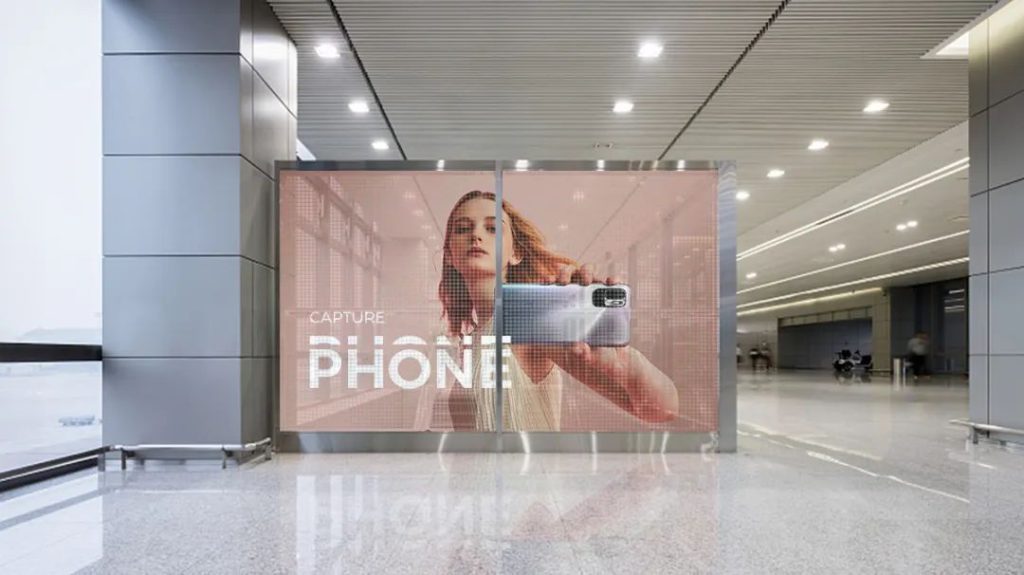
比较分析突出了这些技术之间的权衡:
| Feature | SMD LED | COB LED | 微型LED(新兴) | 透明OLED(新兴) |
|---|---|---|---|---|
| 像素间距 | 细到粗 | 比SMD更细,改进 | 可能比COB更细 | 变化,通常是更大的像素间距 |
| 12. Parıltılıqlıqlıqlar | 高 | 高,通常具有更好的热性能 | 可能更高 | 高对比度,但整体亮度可能不同 |
| 耐用性 | 良好,取决于封装 | 提高对灰尘/冲击的抵抗力 | 高 | 可能脆弱,取决于安装 |
| Thermal Mgmt. | Standard | Improved | Potentially lower heat generation | Varies |
| Power Consump. | Standard | Standard | Potentially lower | Varies |
| Lifespan | Long | Long | Potentially longer | Long |
| Cost | Moderate | Moderate to High | High (currently) | High (currently) |
| Manufacturing | Mature | Maturing | Challenging (mass transfer) | Specialized |
| Airport Use Cases | FIDS, Advertising, Wayfinding (Indoor/Outdoor) | Fine-pitch Indoor FIDS, Control Centers | High-res Kiosks, Premium Advertising, Control Centers | Architectural Integration, Advertising |
The selection of a display technology involves a careful consideration of the specific application’s requirements, the viewing environment, budget constraints, and the desired lifespan and maintenance profile. Emerging technologies like MicroLED and Transparent OLED, while currently more expensive, offer unique capabilities that could shape the future of airport display deployments [Learning 3, Point 16].
4. Market Landscape, Key Players, and Procurement Strategies
The global airport LED display market is a significant and growing sector, driven by increasing air travel and the continuous need for airport modernization.
Market Size and Trends
The global airport display screen market was valued at $2.5 billion in 2023 and is projected to reach $5.8 billion by 2032, exhibiting a Compound Annual Growth Rate (CAGR) of 8.6% from 2025 to 2033 [Learning 4, Point 1-3]. The broader LED modular display market, which includes airport applications, shows even stronger growth, with a projected CAGR of 13.7% from 2024 to 2030 [Learning 4, Point 4, 5]. The outdoor LED display segment is also a significant contributor, estimated at US$ 13.78 Bn in 2025 and expected to reach US$ 29.17 Bn by 2032 with a CAGR of 11.3% [Learning 4, Point 6-8].
Key market drivers include:
- Rising Global Air Travel: Increased passenger numbers necessitate more efficient information systems [Learning 4, Point 15].
- Airport Infrastructure Investments: Modernization and expansion projects worldwide drive demand for new display installations [Learning 4, Point 16].
- Enhanced Passenger Experience: Airports are investing in displays to improve information flow and reduce stress [Learning 4, Point 17].
- Digital Transformation: The broader trend towards digitalization in airports includes upgrading display infrastructure [Learning 4, Point 18].
- Integration with Smart Systems: Displays are becoming integrated components of smart airport ecosystems [Learning 4, Point 19].
- Advertising Revenue: The potential for generating revenue through digital advertising is a significant incentive [Learning 4, Point 20].
- Technological Advancements: Improvements in LED technology, including falling prices and increased energy efficiency, make them more attractive than older display types like LCDs [Learning 4, Point 21-25].
A primary market restraint is the high initial investment required for large-scale LED display deployments [Learning 4, Point 26].
Geographically, the Asia-Pacific region currently dominates the LED modular display market, driven by a well-established manufacturing ecosystem and robust supply chain in China [Learning 4, Point 38-40].
Key Players
The market includes a mix of large global electronics companies and specialized LED display manufacturers. Some notable players mentioned in the research include Samsung, Sony Corporation, and SHENZHEN ABSEN OPTOELECTRONIC CO., LTD. [Learning 4, Point 45]. Specialized providers like Daktronics offer integrated LED display solutions specifically for airports 54. Companies like PixelFLEX also offer rental services [Learning 4, Point 46].

Procurement Strategies
Procuring airport LED displays requires a comprehensive approach that goes beyond the initial purchase price. Critical considerations include:
- Total Cost of Ownership (TCO): This includes not only the upfront hardware cost but also installation, energy consumption, maintenance, repair, and eventual disposal costs over the display’s lifespan [Learning 4, Point 26, 32, 33, 40, 41]. Energy-efficient LED displays offer significant TCO advantages over traditional technologies [Learning 4, Point 22, 23, 33].
- Lifecycle Support: Evaluating the vendor’s ability to provide long-term support, including spare parts availability, technical assistance, and software updates, is crucial for ensuring the displays remain operational and effective throughout their service life [Learning 4, Point 40].
- Contractual Terms: Detailed contracts should cover performance guarantees (e.g., uptime SLAs), maintenance responsibilities, warranty periods, and terms for upgrades or replacements [Learning 4, Point 43-48].
- Technical Specifications Alignment: Ensuring the proposed displays meet the specific technical requirements for each application (pixel pitch, brightness, viewing angle, etc.) is paramount [Learning 2, Point 17-22].
- Integration Capabilities: The ability of the displays and their associated CMS to integrate seamlessly with existing airport systems (AODB, security, building management) is a key factor [Learning 2, Point 6, 7, 10, 12, 14, 15, 16, 21, 22].
- Scalability and Flexibility: Choosing solutions that can be easily expanded or reconfigured to meet future needs is important in the dynamic airport environment.
A thorough procurement process considering these factors helps airports select display solutions that provide long-term value, reliability, and operational efficiency.
5. Operational Management, Reliability, and Maintenance
Ensuring the high reliability and uptime of airport LED displays is paramount, given their critical role in operations and passenger experience. Effective operational management and robust maintenance strategies are essential.
Ensuring High Reliability and Uptime
Airport environments present unique challenges for electronic equipment, including dust, temperature fluctuations, and electromagnetic interference [Learning 4, Point 34][Learning 5, Point 1]. Displays must be built to withstand these conditions and operate reliably 24/7 8. Key factors for reliability include:
- Robust Hardware: Using commercial-grade displays designed for continuous operation with durable components and effective thermal control 822.
- Stable Power Supply: Ensuring a stable power supply voltage is crucial to prevent flickering or instability 21. Installing surge protectors can mitigate damage from voltage fluctuations 25.
- Proper Installation: Correct installation, including secure wiring and appropriate mounting options, is vital for long-term reliability 21.
- Environmental Control: Maintaining appropriate temperature and humidity levels can prevent corrosion and short circuits 22.
Maintenance Models
Airports employ various maintenance models to ensure display functionality:
- Preventive Maintenance: Regularly scheduled inspections, cleaning, and software updates to identify and address potential issues before they cause failures 1623. This is crucial for maintaining optimal performance and extending lifespan 16.
- Reactive Maintenance: Addressing failures as they occur. While necessary for unexpected issues, relying solely on reactive maintenance is inefficient and can lead to significant downtime 17.
- Predictive Maintenance: Utilizing data and analytics to anticipate potential failures and schedule maintenance proactively 1731. This is increasingly enabled by AI and sensor technology 17.
Remote Monitoring and Management
Remote monitoring systems are becoming standard for airport displays, allowing maintenance staff to:
- 监控中央位置显示屏状态(内容、亮度、温度) 14.
- 当检测到问题时,自动接收警报 14.
- 执行远程操作,如软件更新和参数调整,减少现场访问需求 14.
- 通过检查电源供应、网络连接和控制器状态,远程解决常见问题 27.
驱动预测性维护系统可以分析来自传感器的实时数据,预测几周前的问题,从而实现主动干预并减少停机时间 1731这些系统可以跟踪参数,如热膨胀和表面温度 17.
常见故障模式和故障排除
LED显示屏的常见问题包括黑屏(通常由于电源或控制卡问题)、异常显示颜色(损坏的LED珠)、闪烁(电源不稳定)和局部黑屏(电源供应或模块问题) 2127故障排除通常涉及检查电源、数据连接和控制器状态 27详细维护记录和备用零件库存对于高效的维修至关重要 18.
功耗和散热
LED显示屏比老式技术如LCD具有显著更高的能效,有助于降低运营成本和减少环境影响 33然而,大型LED墙仍然消耗大量电力并产生热量。通过设计和可能的外部冷却系统有效散热对于维护性能和寿命是必要的 8以太网供电(PoE)也用于为小型显示屏和相关网络组件供电,简化了安装并减少了布线 66.
环境适应性
安装在户外或半户外区域显示屏必须对环境因素有适应性。这包括适当的IP等级以保护免受灰尘和湿气的影响,以及可以处理机场气候的运行温度范围 22定期清洁也是必要的,以防止灰尘积累影响观看质量 18.
服务级别协议(SLA)
在机场环境中,SLA至关重要,定义了显示系统预期的服务水平,特别是FIDS。这些通常在机场和航空公司之间达成的协议涵盖了正常运行时间、维护响应时间以及数据准确性 36SLA有助于确保一致的服务水平,并可包括未达到标准时的处罚 36建议定期联合审查SLA以适应不断变化的运营需求 36.
有效的运营管理和积极主动、数据驱动的维护方法对于最大化机场LED显示屏投资的价值和可靠性至关重要。
6. 内容管理系统和AI集成
高级内容管理系统(CMS)是机场数字标牌网络的基础,能够高效地在大屏幕上传递多样化的动态内容。人工智能(AI)的集成进一步增强了这些系统的功能,朝着更个性化、响应更快和优化的内容传递方向发展。
高级CMS的功能
为机场环境量身定制的CMS平台提供了一系列功能:
- 安排和分区: 允许管理员安排特定内容在指定时间和特定区域或单个显示屏上播放 41.
- 实时数据集成: 关键的是,与机场运营数据库(AODB)和其他系统(天气、交通、新闻源)集成,以自动显示实时信息,如航班更新、登机口更改和紧急警报 41.
- 内容创建和管理: Tools for creating, uploading, organizing, and managing various content formats (images, videos, text, interactive elements) 41.
- Multi-Language Support: Essential for international airports to display information in multiple languages 19.
- Remote Management: The ability to manage and update content on displays remotely from a central location 14.
- User Role Management: Defining different access levels for various airport personnel 43.
- Integration with External Applications: Compatibility with third-party software and APIs for enhanced functionality and data exchange 43.
AI Integration in CMS
AI is transforming airport digital signage by enabling more intelligent and dynamic content delivery:
- Dynamic Content Generation: AI, particularly generative AI and machine learning, can be used to create new content based on predefined parameters or real-time data 44.
- Audience Analytics: AI-powered systems can analyze audience demographics (e.g., age, gender) and behavior (e.g., dwell time, viewing patterns) using sensors or facial recognition technology (with privacy considerations) 44. This data provides valuable insights into content effectiveness and audience engagement.
- Context-Aware Signage: AI allows displays to become context-aware, triggering specific content based on environmental factors (weather, time of day), operational status (delays, gate changes), or audience attributes 44.
- Personalized Content Delivery: Based on audience analytics and integration with passenger data (e.g., through airport apps or loyalty programs), AI can deliver personalized content, such as targeted advertising or specific information for frequent flyers 41.
- System Optimization: AI can optimize content scheduling and delivery based on predicted passenger flow, peak times, and audience behavior to maximize impact and efficiency.
- Predictive Maintenance Integration: While primarily an operational function, AI in CMS can potentially integrate with predictive maintenance systems to display alerts or status updates about display health 1731.
AI integration moves airport digital signage from a static or simply scheduled system to a dynamic, responsive, and personalized communication platform. This enhances the passenger experience, improves operational efficiency, and increases the potential for advertising revenue 41. However, the implementation of AI, particularly involving passenger data or facial recognition, requires careful consideration of privacy regulations and ethical implications.
7. Future Trends and Technological Innovations
The future of airport display technology is characterized by continued technological advancements, deeper integration with other airport systems, and a focus on creating more immersive and personalized passenger experiences.
Emerging Display Technologies
- MicroLED Advancements: 当制造挑战被克服时,MicroLED预计将变得更加经济实惠并被广泛采用,从而为关键应用如控制中心和高端广告空间提供超高分辨率显示屏[学习3,要点7-11]。
- 透明和柔性显示屏: 透明OLED和柔性LED技术的进一步发展将允许更多创意和集成型显示屏设计,将信息和广告无缝融入机场建筑中 555752这包括曲面显示屏、集成于柱子或天花板上的显示屏,甚至能够创造360度视觉体验的显示屏 54.
- 3D内容(强制视角): 在角落相遇或具有独特形态因子的显示屏上使用3D内容将变得更加普遍,以创造有影响力和令人难忘的视觉效果 54.
增强的人工智能能力
人工智能将在机场显示屏中发挥越来越重要的角色:
- Predictive Maintenance: 人工智能系统将在预测显示屏故障、优化维护计划和最小化停机时间方面变得更加复杂 1731.
- 大规模个性化内容: 人工智能将根据实时数据、偏好和位置为个别乘客提供高度个性化的内容交付,增强定向广告并提供相关信息 4169.
- 广告的动态定价: 人工智能可能会根据预测的受众人口统计和客流量实现广告时段的动态定价。
- 人工智能驱动的导航: 与人工智能助手和自然语言处理集成可能提供更多互动和直观的导航体验 42.
与物联网平台集成
物联网(IoT)将进一步增强机场显示屏的功能。显示屏可以成为更大物联网生态系统中的连接节点,从各种传感器(例如,人群密度、环境条件)接收数据,并根据需要触发内容更改 67这允许更快速响应和适应的信息传播。
设计形态因子的演变
除了传统的矩形屏幕外,未来的机场显示屏可能会出现更多样化和创新的设计形态,集成到机场的物理结构中。这包括大规模体验式显示屏、柱子和天花板上的显示屏,甚至可能是嵌入地板或家具中的显示屏 54重点将在于创造视觉上引人入胜和富有信息性的环境,从而提升乘客的旅行体验 54.
连接性和基础设施
- 5G实施: 机场内5G网络的推出将为实时数据传输提供所需的宽带和低延迟,支持更多动态内容、与移动设备的无缝集成以及增强的安全应用,如高清视频监控 6365.
- 无线电力传输: 尽管仍处于起步阶段,但无线电力传输技术可能会简化一些较小显示屏或相关传感器的安装和电力管理 73.
与其他机场系统集成
未来的显示屏将更加紧密地集成到广泛的机场系统中,包括安全、建筑管理、零售分析和行李处理 6871这种互联性将实现更统一和智能化的运营环境。
挑战
1. Қайда-қайда ақырсыз потенциал бар болғанмен, түрлі шығыстар қалды. Олардың ішінде MicroLED сияқты тәуелсіз технологияларды іске асыруының жоғары тұрғысы, әр түрлі тармақталушылардың жүйелері арасында байланысқа келтіру, пайдаланушылықтың үлкен көлемі мен қосымша түрлі байланыс жүйелердегі мүмкіндікте түскен қауіптерді жауап көру кіреді. 682. 5G үшін, ұшақ жүйелерімен байланысқа келуі мүмкіндікте болатын қырсыздарды толық түрде шешу керек. 76.
3. Ұяқтық әуежайының LED экрандарының кезектегі өндірісі түрлі қамтуы, жоғары интеграциялы, ақылды және көрінбей түрлі пейзажына және қызметтеушінің түсініктік түрде қалыптастыруы мен әуежай өндірісінің рационалдастыруында маңызды рөл ойнауына бағытталған.
4. 8. Басқауым
5. LED экрандық техникасы көмекші құралыдан түрлі қолданыстарға дейін өнімденген қазіргі әуежай инфрақұрылымының қажетті құрылғысына айналды. Оның түрлі қолданыстары, қызметтеушінің көрсетілу жүйелеріне дейін қосымша, динамик түрде реклама және түсінікті құралдармен, оның өндірістік құрылымды рационалдастыруы, қызметтеушінің қозғалысын және қол жеткізуге қол жеткізуге қол жеткізуге қосымша қызықтыратын орталықты жасауына маңызды.
6. LED экрандардың техникалық қабілеттері, пайдаланушылықтың ұзындығы, жарықтылығы және жүктелу жылдамдығы сияқты параметрлермен сипатталған, олар түрлі MicroLED және ағартымстық экрандар сияқты жаңа технологиялардың келіп түсуімен қатар жетілдіріліп жатыр. Бұл түрлі экрандардың пайдаланушысы қырына қызықтыратын түрде тез өсіп жатыр, бірақ алғашқы қ
Effective operational management, including robust maintenance strategies and the increasing adoption of remote monitoring and predictive maintenance powered by AI, is crucial for ensuring the high reliability and uptime required in a 24/7 airport environment. Furthermore, advanced Content Management Systems, increasingly integrated with AI, are enabling more dynamic, context-aware, and personalized content delivery, transforming displays into intelligent communication platforms.
Looking ahead, the future of airport display technology is intertwined with broader trends in airport digitalization, including the rollout of 5G, the integration of IoT, and the development of smart airport ecosystems. Future displays will likely feature more innovative form factors and deeper integration with other airport systems, contributing to a more seamless, efficient, and personalized passenger journey. While challenges related to cost, integration, and data management persist, the trajectory of technological innovation suggests that LED displays will continue to play a central and increasingly sophisticated role in the airports of tomorrow.
References
- sryleddisplay.com
- ledscreenfactory.com
- szdlsdisplay.com
- bibiled.com
- szledworld.com
- scribd.com
- indracompany.com
- site.com
- mvix.com
- unique.net.in
- coherentmarketinsights.com
- gminsights.com
- dataintelo.com
- bibiled.com
- bibiled.com
- aviationpros.com
- szradiant.com
- mile-strong.com
- sixteen-nine.net
- hpwinner.com
- bibiled.com
- onedisplaygroup.com
- aviationpros.com
- nseledcloud.com
- voltacompliance.com
- enbon.net
- colorlitled.com
- vision-pi.net
- malms.aero
- gmrgems.com
- alstefgroup.com
- voltainsite.com
- ledvstar.com
- ledscreenfactory.com
- nanolumens.com
- iata.org
- splunk.com
- dubailedscreen.com
- vision-pi.net
- ledsignsupply.com
- signagespace.com
- 22miles.com
- ryarc.com
- risevision.com
- onesign.pk
- airport-suppliers.com
- a-ice.aero
- nexusintegra.io
- ledvstar.com
- linsnled.com
- zodiac.com.vn
- ddw.net
- bibiled.com
- daktronics.com
- display-innovations.com
- oled-info.com
- crystal-display.com
- newtechstore.eu
- airport-information-systems.com
- tavtechnologies.aero
- airport-information-systems.com
- scirp.org
- researchgate.net
- akamaized.net
- verizon.com
- omnitron-systems.com
- swiftsensors.com
- mitre.org
- futuretravelexperience.com
- viewpointec.com
- inditechconnects.com
- egoal.live
- powercastco.com
- airportanalytics.aero
- radianttech.net
- aviationtoday.com
- airportprojects.net