
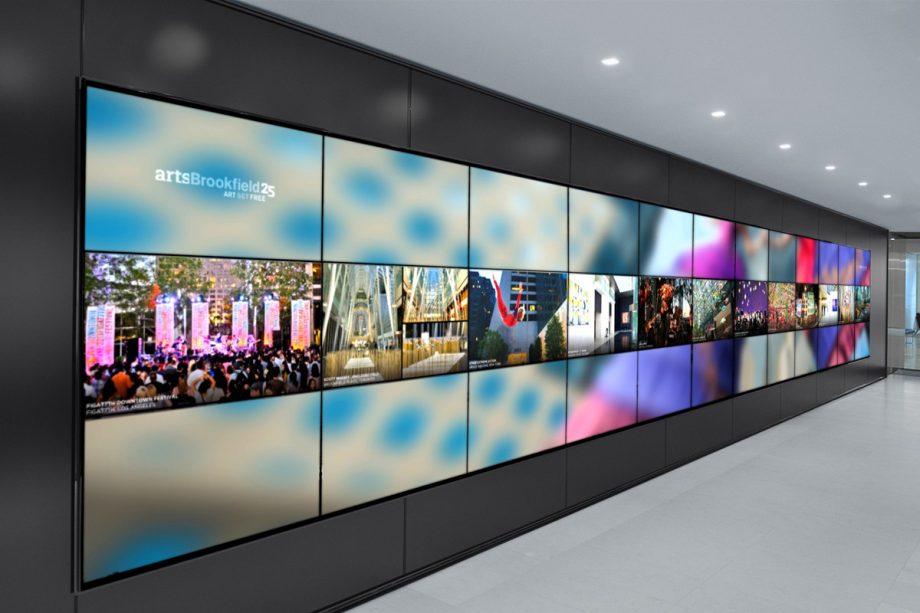
When it comes to choosing a display for your home or business, understanding the differences between OLED, LED7. aur Durable and Lightweight Design is essential. Each technology has its own set of advantages and disadvantages, influencing factors such as image quality, energy consumption, and durability. In this comprehensive guide, we explore the key differences to help you make an informed decision based on your needs.
Understanding Display Technologies: OLED, LED, and LCD
Displays have evolved significantly in recent years, offering a range of options for various applications. Here’s a detailed breakdown of each technology:
What is OLED?
OLED (Organic Light-Emitting Diode) displays represent cutting-edge technology in display manufacturing. Unlike traditional displays, OLED screens do not require a backlight. Instead, each individual pixel generates its own light, resulting in perfect black levels and incredible color accuracy.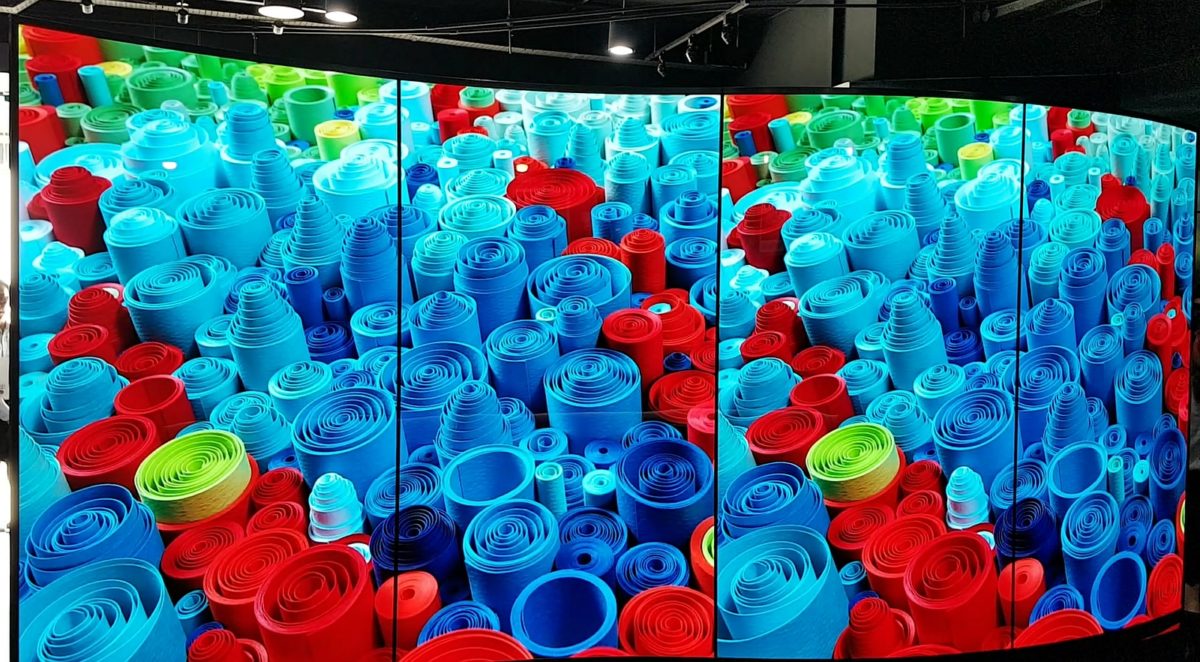
Key Features of OLED Displays:
- Self-illuminating pixels: Each pixel in an OLED display can turn on or off independently, providing better contrast and true black levels.
- Ultra-thin design: Due to the absence of a backlight, OLED screens are incredibly slim, making them ideal for thin displays and flexible panels.
- Superior viewing angles: OLED screens offer consistent brightness and color reproduction at almost any angle.
- Faster response times: These displays have minimal lag, making them perfect for gaming 14. 引人注目的3D广告牌 fast-action content.
- Energy-efficient for dark content: Since black pixels are turned off, OLED displays are more energy-efficient when displaying darker content.
What is LED?
LED (Light-Emitting Diode) displays are a type of LCD technology that uses LEDs as a backlight. These displays rely on a liquid crystal layer to filter light and create images. Unlike OLED, LED displays require a backlight to illuminate the pixels.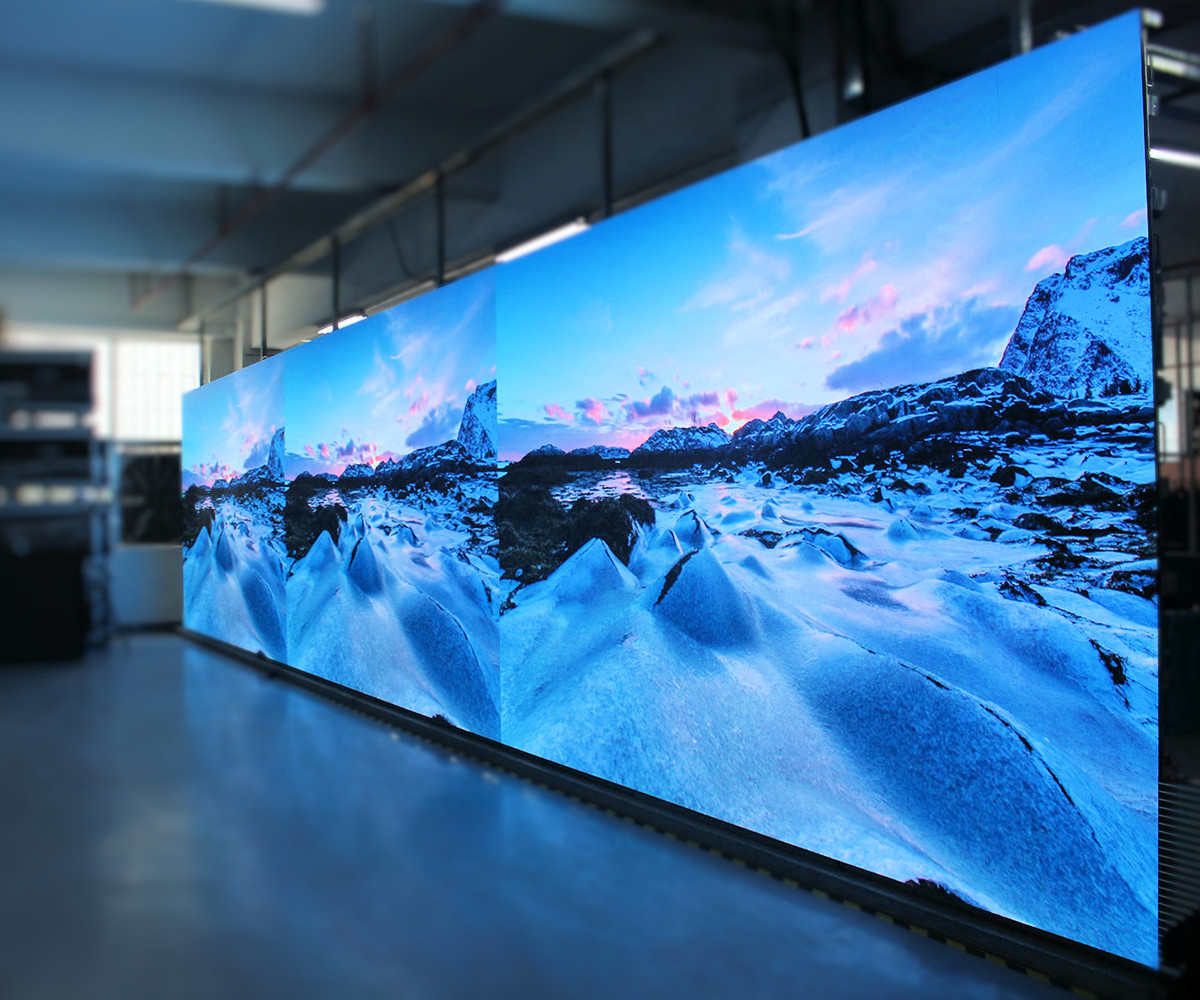
Key Features of LED Displays:
- Cost-effective: LED displays are generally more affordable than OLED displays, making them a popular choice for both home and office use.
- Brighter screens: Due to the use of LED backlights, these displays tend to be much brighter, which is beneficial in brightly lit environments.
- Long lifespan: LED displays typically last longer than OLED displays, making them a reliable option for prolonged usage.
- Moderate energy consumption: While they are not as efficient as OLED displays when showing darker content, LED screens are still relatively energy-efficient, especially compared to older display technologies.
What is LCD?
LCD (Liquid Crystal Display) technology has been around for decades and is the foundation for LED 显示器。事实上,一个 LED显示器 是一种使用 LCD 背光的 LED 子类型。然而,传统的 LCD 显示器使用 CCFL(冷阴极荧光灯) 作为背光,它比 LED 背光消耗更多电力并且产生的颜色不如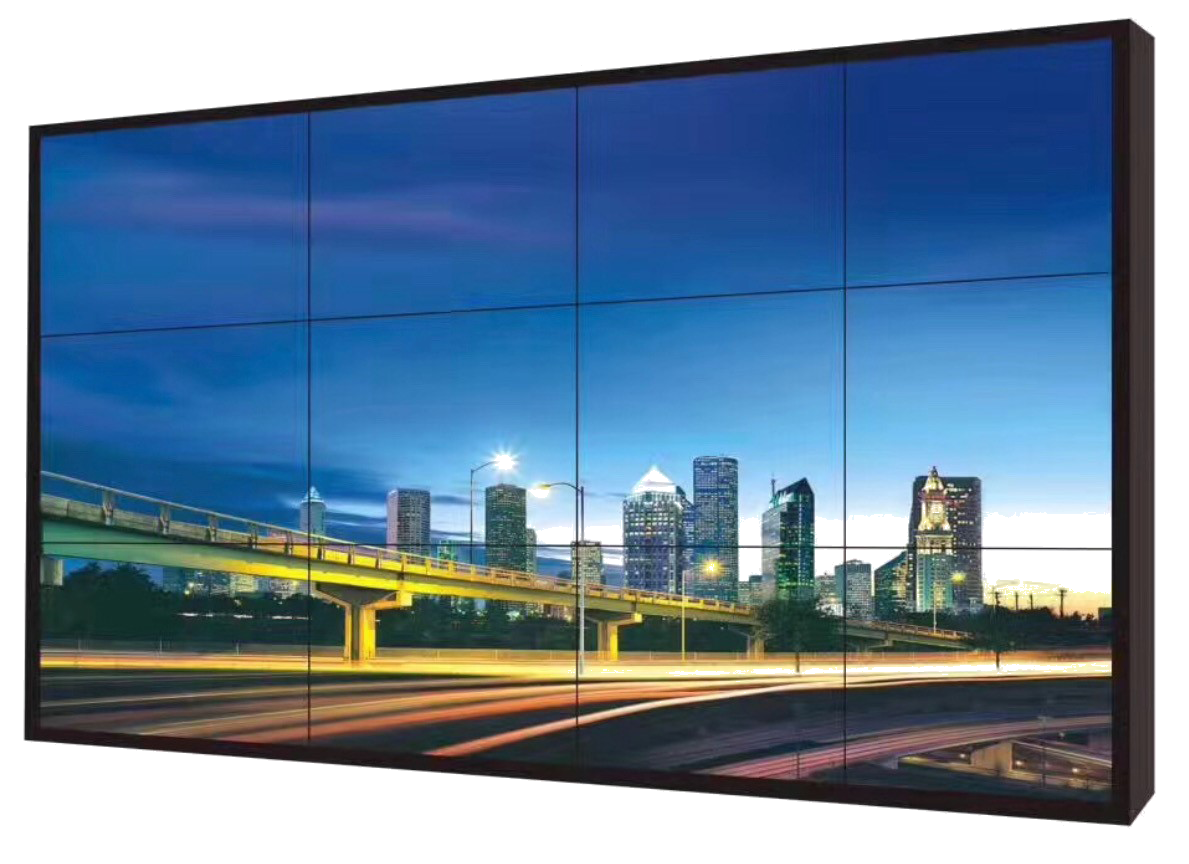
LCD显示器的关键特性:
- 广泛可用性: LCD 显示器因其性价比而广泛应用于电视、计算机显示器和智能手机。
- 低的对比度比率: 由于 LCD 显示器依赖于背光,它们通常难以产生深黑色,并且比 OLED 显示器具有更低的对比度比率。
- 耐用性: 这些显示器通常很坚固,可以长时间使用,尽管它们可能会出现背光泄漏等问题。
- 能耗: LCD 显示器由于其较老的技术,消耗的能源比 LED 14. 引人注目的3D广告牌 OLED 显示器更多。
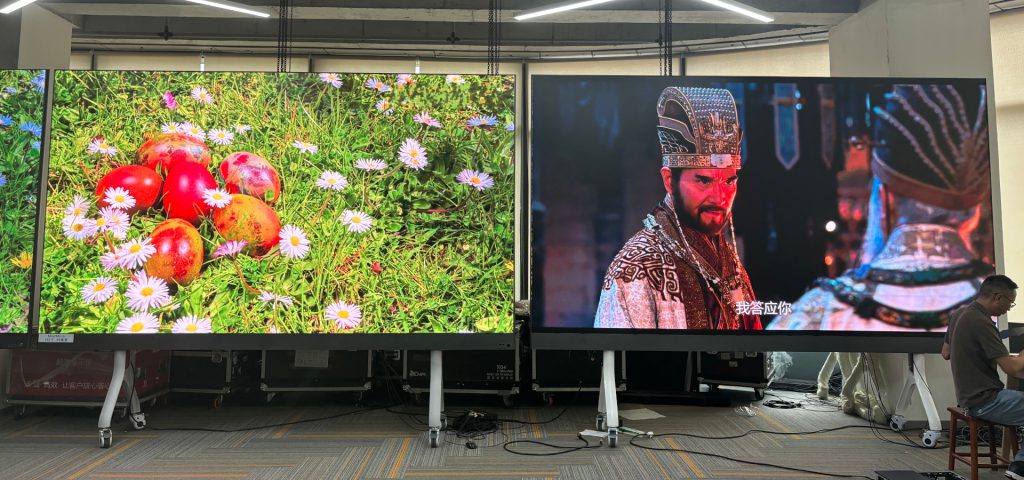
了解更多关于Lynnhan全合一LED Neovision的信息
比较图像质量
在选择 OLED, LED7. aur LCD 显示器时,图像质量是主要因素之一。每种技术都在对比度、亮度和颜色准确性方面提供不同的优势。
对比度比率
- OLED 显示器在对比度比率上表现出色,因为它们能够产生真正的黑色水平。由于每个像素可以独立关闭, OLED 显示器可以实现 无限对比度比率,这使得它们在黑暗环境中观看内容时非常理想。
- LED 14. 引人注目的3D广告牌 LCD 1. displays, əks halədə, backlights-ı tətbiq edən ekranlar olub onların qarşıntılıqlıqlarını azaldıya bilər, çünki bu, backlit bleeding-ni törədir. Lakin, LED 2. displays with 3. yerli qarşıntılıqla 4. hələ də qədim tipik LCD 显示器具有更低的对比度比率。
5. Rəng Təsiratı
- OLED 6. displays özünəməxsus rəng təsiratı ilə tanınır, çünki hər bir piksel öz növbəsində öz xəttində işıq və rəngi müstəqil şəkildə buraxa bilər. Bu, başqa ekran texnologiyaları ilə müqayisədə müəyyən olmayan canlı və təbii şəkillərə gətirib çıxarır.
- LED 7. displays can also provide excellent color reproduction, especially in models that feature advanced 8. color calibration 9. technologies. However, they are generally not as color-accurate as OLED 显示器具有更低的对比度比率。
- LCD 10. displays tend to struggle with color accuracy compared to OLED 14. 引人注目的3D广告牌 LED 11. displays, mainly due to the limitations of their backlight technology.
12. Parıltılıqlıqlıqlar
- LED 13. displays theçərçivədə parıltılıqlıqlar haqqında daha yaxşı qalib gəlir. displays-ın istifadə etdiyi backlit-in istifadəsi onların daha çox parıltılıqlıqlar əldə etməsinə icazə verir, bu da onları qəbul edən otaqlar və xarici mühitlər üçün uyğun edir. LED 14. displays, while offering incredible contrast, may not achieve the same peak brightness as
- OLED 15. displays. This can make them less ideal for environments with lots of natural light. LED 16. displays generally offer moderate brightness levels, falling short of both
- LCD 17. technologies. OLED 14. 引人注目的3D广告牌 LED 18. Enerji Təhlükəsizliyi Nəzərdən Keçirilməsi
19. Enerji qarşıntılıqlıqlıqlıqlıqlıqlıqlıqlıqlıqlıqlıqlıqlıqlıqlıqlıqlıqlıqlıqlıqlıqlıqlıqlıqlıqlıqlıqlıqlıqlıqlıqlıqlıqlıqlıqlıqlıqlıqlıqlıqlıqlıqlıqlıqlıqlıqlıqlıqlıqlıqlıqlıqlıqlıqlıqlıqlıqlıqlıqlıqlıqlıqlıqlıqlıqlıqlıqlıqlıqlıqlıqlıqlıqlıqlıqlıqlıqlıqlıqlıqlıqlıqlıqlıqlıqlıqlıqlıqlıqlıqlıqlıqlıqlıqlıqlıqlıqlıqlıqlıqlıqlıqlıqlıqlıqlıqlıqlıqlıqlıqlıqlıqlıqlıqlıqlıqlıqlıqlıqlıqlıqlıqlıqlıqlıqlıqlıqlıqlıqlıqlıqlıqlıqlıqlıqlıqlıqlıqlıqlıqlıqlıqlıqlıqlıqlıqlıqlıqlıqlıqlıqlıqlıqlıqlıqlıqlıqlıqlıqlıqlıqlıqlıqlıqlıqlıqlıqlıqlıqlıqlıqlıqlıqlıqlıqlıqlıqlıqlıqlıqlıqlıqlıqlıqlıqlıqlıqlıqlıqlıqlıqlıqlıqlıqlıqlıqlıqlıqlıqlıqlıqlıqlıqlıqlıqlıqlıqlıqlıqlıqlıqlıqlıqlıqlıqlıqlıqlıqlıqlıqlıqlıqlıqlıqlıqlıqlıqlıqlıqlıqlıqlıqlıqlıqlıqlıqlıqlıqlıqlıqlıqlıqlıqlıqlıqlıqlıqlıqlıqlıqlıqlıqlıqlıqlı
Energy consumption is a key consideration, especially for users who spend a lot of time in front of their screens or are conscious about power usage.
- OLED displays are highly energy-efficient when displaying dark or black content because black pixels are turned off completely. However, when displaying bright or white content, OLED displays can consume more power than LED 显示器具有更低的对比度比率。
- LED displays are generally more energy-efficient than LCD displays, as LED backlights consume less power than CCFL backlights. However, they are not as efficient as OLED displays when showing dark content.
- LCD displays, especially those using older CCFL technology, dz threeth technologies thyma energy-efficient among.
Durability and Lifespan
- OLED displays, while offering superior image quality, have a shorter lifespan than displays due to LED 14. 引人注目的3D广告牌 LCD displays due to organic materials that can degrade over time. Burn-in is also a potential issue, where static images can leave a permanent imprint on the screen.
- LED displays are known for their long lifespan, as LEDs are durable and resistant to burn-in. This makes them a great choice for users who need a reliable display for extended use.
- LCD displays, while not as long-lasting as displays, still offer decent durability. However, LED screens may suffer from backlight degradation over time, leading to reduced brightness and color accuracy. LCD Cost Considerations
displays tend to be the most expensive due to the advanced technology and superior image quality they offer. The ultra-thin design and
- OLED self-illuminating pixels also contribute to higher production costs. displays are more affordable than displays, making them a great option for consumers who want a balance between performance and price.
- LED displays are typically the most budget-friendly option, but the trade-off is lower image quality and energy efficiency. OLED Conclusion: Which Display is Right for You?
- LCD The decision between displays ultimately comes down to your specific needs and preferences.
If you value incredible contrast
color accuracy OLED, LED7. aur LCD slim design
- is the best option, especially for home theaters and gaming setups. For users who need brightness, color accuracy7. aur slim design, OLED is the best option, especially for home theaters and gaming setups.
- For users who need brightness, durability7. aur cost-efficiency, LED displays are an excellent choice, offering a balance between performance and affordability.
- LCD displays remain a practical option for budget-conscious consumers who require a reliable display for everyday tasks, though they may fall short in image quality and energy efficiency compared to the other technologies.
Each display technology has its own set of advantages, so the best choice will depend on how you plan to use it.