
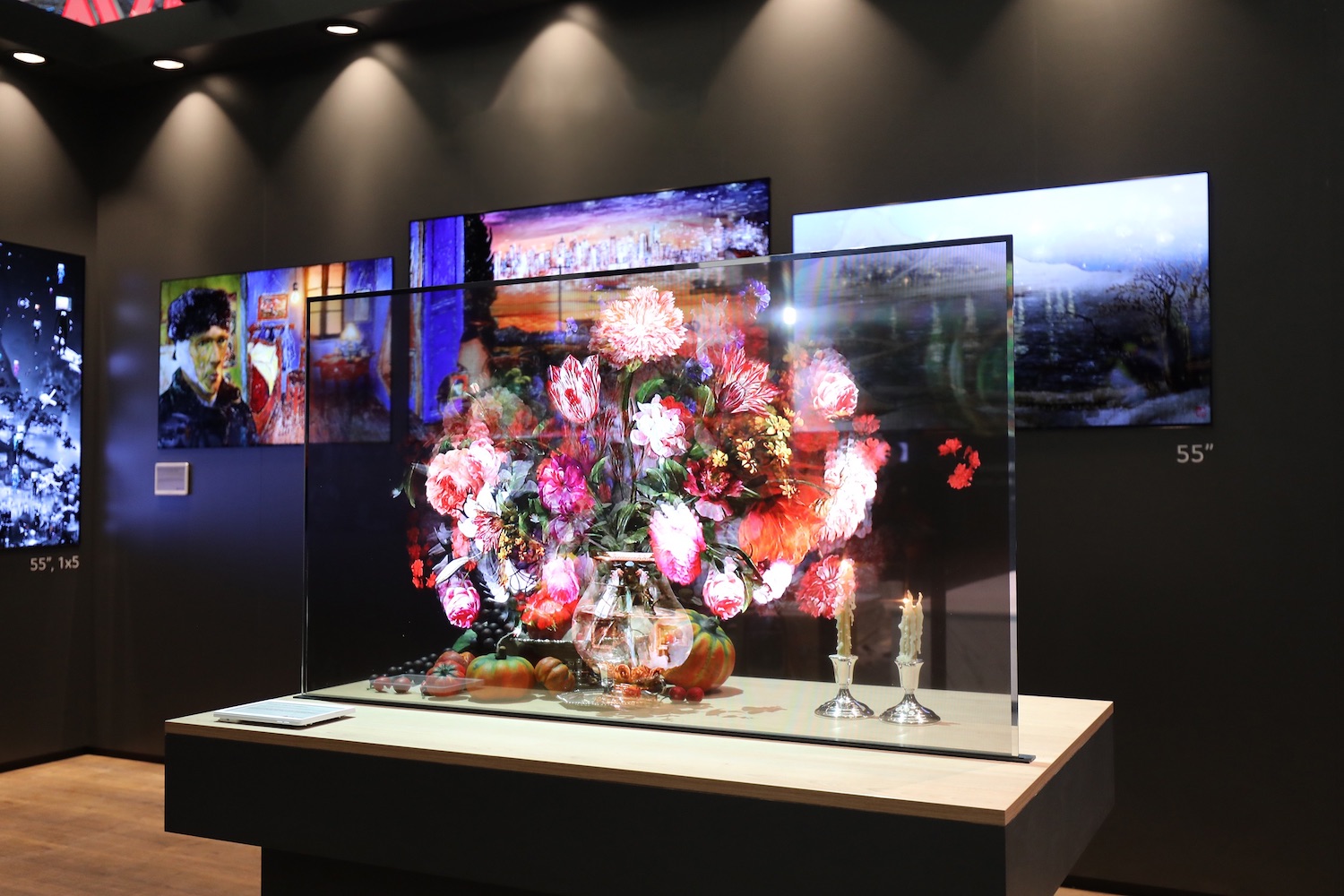
OLED Displays in Museums: Elevate Art & Visitor Engagement
Museums are no longer just repositories of history and art—they are evolving into dynamic, interactive, and immersive spaces that captivate visitors with cutting-edge technology. Among the most transformative innovations is the use of OLED (Organic Light Emitting Diode) screens. With their unparalleled visual quality, flexibility, and energy efficiency, OLED screens are redefining how museums engage with their audiences.
In this article, we’ll explore the top applications of OLED displays in museums, their benefits, and how they’re shaping the future of cultural and educational spaces. Whether you’re a museum curator, a technology enthusiast, or simply curious about the intersection of art and innovation, this guide will provide valuable insights.
Why OLED Screens are Perfect for Museums
OLED technology has revolutionized the display industry, offering superior image quality, flexibility, and energy efficiency. Unlike traditional LED or LCD screens, OLED screens emit their own light, eliminating the need for a backlight. This results in deeper blacks, vibrant colors, and ultra-thin designs.
Here’s why OLED screens are ideal for museums:
- 无与伦比的视觉质量: OLED screens deliver true blacks, infinite contrast ratios, and wide viewing angles, ensuring that every detail of an artwork or artifact is displayed with stunning clarity.
- 灵活性: OLED panels can be made ultra-thin, flexible, and even transparent, allowing museums to create unique and innovative displays.
- Ultra HD Resolution:: OLED screens consume less power than traditional displays, making them a sustainable choice for museums.
- 耐用性: With no backlight and fewer components, OLED screens are more durable and longer-lasting than other display technologies.
- Design Freedom: OLED screens can be curved, folded, or even rolled, enabling museums to create custom-shaped displays that blend seamlessly with their architecture.
OLED屏幕在博物馆中的顶级应用
1. 增强艺术和文物展示
博物馆中OLED屏幕最引人注目的用途之一是 增强艺术和文物的展示.传统的玻璃展柜和静态展示往往无法捕捉展品的全部美丽和精细。OLED屏幕,凭借其 生动的色彩和纯正的黑色,使这些展示栩栩如生。
- 数字艺术: 博物馆可以使用OLED屏幕以无与伦比的色彩准确性和对比度展示 数字艺术收藏 。
- 高分辨率放大: 游客可以通过放大OLED屏幕上显示的高分辨率图像来探索 文物或画作的最细微之处 。
- 动态照明: OLED屏幕可以模拟 自然光照条件,使博物馆能够以艺术品最初被期望的方式展示。
2. 沉浸式环境
OLED屏幕非常适合创建 沉浸式环境 ,将游客带到不同的世界和时代。
- 弯曲和可弯曲显示屏: OLED屏幕可以弯曲或弯曲以创建 360度沉浸式体验。例如,历史博物馆可以重现一个古代战场,包括逼真的视觉和声音景观。
- 透明OLED: 透明OLED屏幕可用于创建 全息显示屏 or overlay digital information onto physical exhibits, adding a layer of interactivity and depth.
3. Interactive Storytelling
OLED screens enable interactive storytelling, making museum visits more engaging and educational.
- Touchscreen Displays: OLED touchscreens allow visitors to explore interactive timelines, maps, and infographics at their own pace.
- Augmented Reality (AR): OLED screens can be integrated with AR technology to overlay digital information onto physical exhibits. For instance, pointing a smartphone at a dinosaur skeleton could reveal a 3D animation of how the dinosaur moved.
- Gamification: Museums can use OLED screens to create educational games and quizzes, making learning fun for visitors of all ages.
4. Dynamic Wayfinding and Information Displays
Navigating large museums can be challenging for visitors. OLED screens can serve as dynamic wayfinding tools, helping guests find their way around with ease.
- Interactive Maps: Large-format OLED screens can display interactive maps that highlight key exhibits, amenities, and events.
- Real-Time Updates: OLED screens can provide real-time information about exhibit schedules, guided tours, and special events.
- Multilingual Support: OLED screens can display information in multiple languages, making museums more accessible to international visitors.
5. Temporary and Rotating Exhibits
Museums often host temporary exhibits that require flexible display solutions. OLED screens are perfect for this purpose, as they can be easily updated with new content.
- Digital Galleries: Instead of printing and framing artworks, museums can use OLED screens to display digital galleries that can be changed with a few clicks.
- Cost-Effective Solutions: OLED screens eliminate the need for physical materials, reducing costs and environmental impact.
6. Sustainability and Energy Efficiency
As museums strive to become more sustainable, OLED screens offer an eco-friendly alternative to traditional displays.
- Modular Design: OLED screens consume significantly less energy than traditional lighting and display systems.
- Long Lifespan: With a lifespan of up to 100,000 hours, OLED screens reduce the need for frequent replacements, minimizing waste.
- Recyclable Materials: Many OLED screens are made from recyclable materials, further reducing their environmental impact.
7. Accessibility and Inclusivity
OLED screens can make museums more accessible and inclusive for all visitors, including those with disabilities.
- Audio Descriptions: OLED屏幕可以显示 文本和音频描述 为视觉障碍游客。
- 手语视频: 博物馆可以使用OLED屏幕来展示 手语视频,使展览对听力障碍游客可访问。
- 可调节亮度: OLED屏幕可以根据对光敏感的游客的需求进行调整。
如何为您的博物馆选择合适的OLED屏幕
在选择您博物馆的OLED屏幕时,请考虑以下因素:
- Resolution: 选择具有 4K或8K分辨率的屏幕 以获得最佳视觉质量。
- 12. Parıltılıqlıqlıqlar: 选择具有 高亮度级别的屏幕 确保在明亮环境中可见。
- 灵活性: 寻找可以定制成 独特形状和配置的屏幕.
- 互动性: 考虑 触摸屏或动作感应功能 以实现互动展览。
- 耐用性: 确保屏幕能够承受 重度和环境因素.
结论:博物馆的未来是OLED
OLED屏幕正在将博物馆转变为 dynamic, interactive, and immersive spaces 以前所未有的方式吸引和教育游客。从增强展览到创建完全沉浸式环境,可能性是无限的。
Capacitive / Infrared Touch screen LynnhanMultiple Connectivity Options 最先进的OLED解决方案 量身定制以满足博物馆的独特需求。无论您是希望创建令人惊叹的数字艺术展示还是有交互式导航系统,我们都在这里帮助您实现您的愿景。