
1. Lynnhan – ተሠረሰው መከሻንት | LED/OLED/LCD/E-paper የምናስተኛ መስላክካል
2. Lynnhan – ተሠረሰው መከሻንት | LED/OLED/LCD/E-paper የምናስተኛ መስላክካል
1. Lynnhan – ተሠረሰው መከሻንት | LED/OLED/LCD/E-paper የምናስተኛ መስላክካል
2. Lynnhan – ተሠረሰው መከሻንት | LED/OLED/LCD/E-paper የምናስተኛ መስላክካል
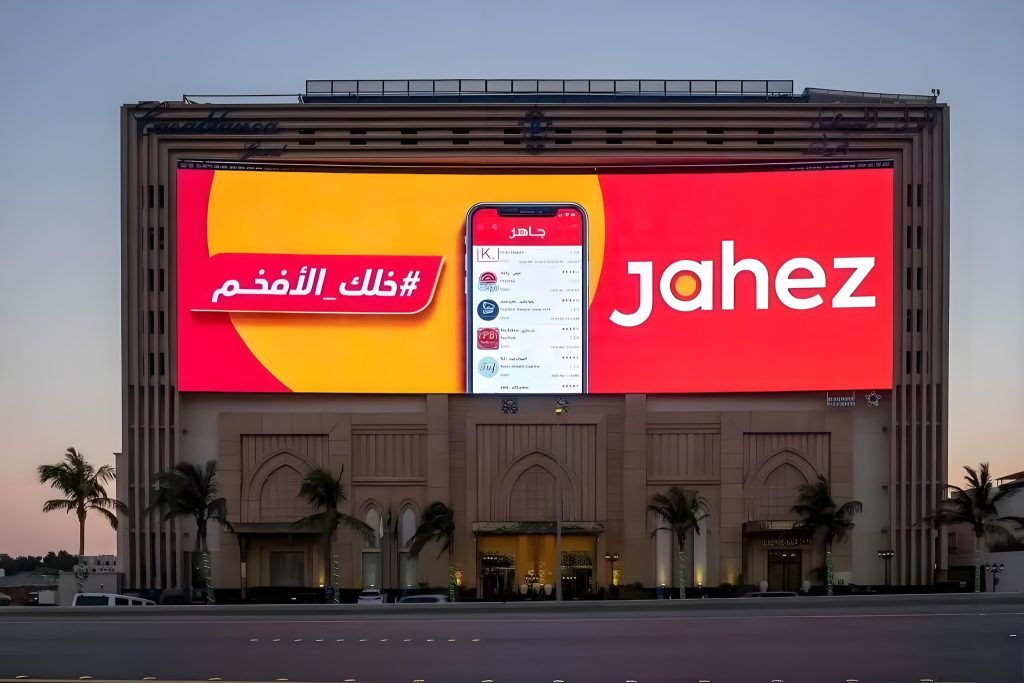
Table of Contents
- Introduction: The Growing Demand for Heat-Resistant LED Displays
- Why Standard LED Screens Fail in Extreme Heat
- How We Engineer LED Displays for 50°C+ Environments
- Key Features of High-Temperature LED Displays
- Real-World Applications: Where Heat-Resistant LED Screens Excel
- Case Study: Surviving the Desert – A 50°C Stress Test
- How to Choose the Right LED Display for Hot Climates
- Maintenance Tips for Longevity in Harsh Conditions
- Why Our LED Displays Outperform Competitors in Extreme Heat
- FAQs: Heat-Resistant LED Displays
1. Introduction: The Growing Demand for Extreme-Heat LED Displays
With global temperatures rising, industries in desert regions (Middle East, Africa, Australia) 14. 吸引眼球的3D广告牌 tropical zones face increasing challenges in maintaining outdoor digital signage. Traditional LED displays often overheat, dim, or fail when exposed to prolonged 50°C+ (122°F+) conditions, leading to:
- Increased cooling costs (AC/fans consume 30-50% extra power)
- Higher maintenance (dust/sand ingress from cooling systems)
- Shortened lifespan (thermal stress damages components)
Our military-grade Extreme-Heat LED displays are engineered to ʻOperate flawlessly in extreme heat without external cooling, saving energy and reducing downtime.
2. Why Standard LED Screens Fail in Extreme Heat
Most LED displays rely on active cooling (fans/AC), which creates three major problems in hot climates:
A. Thermal Runaway
- High temperatures cause LED drivers to overwork, reducing brightness and color accuracy.
- Without proper heat dissipation, components degrade 3x faster.
B. Dust & Sand Ingress
- Cooling fans suck in dust, sand, and moisture, leading to:
- Corrosion (in coastal areas)
- Electrical shorts (from dust buildup)
C. Energy Waste
- AC units consume 500W-2kW per hour just to cool a single screen.
- Fans increase power consumption by 20-30%.
Solution: Our passive-cooling technology eliminates these issues.
3. How We Engineer LED Displays for 50°C+ Environments
We use apatong pangunahing pagbabago upang matiyak ang kumpiyansa sa matinding init:
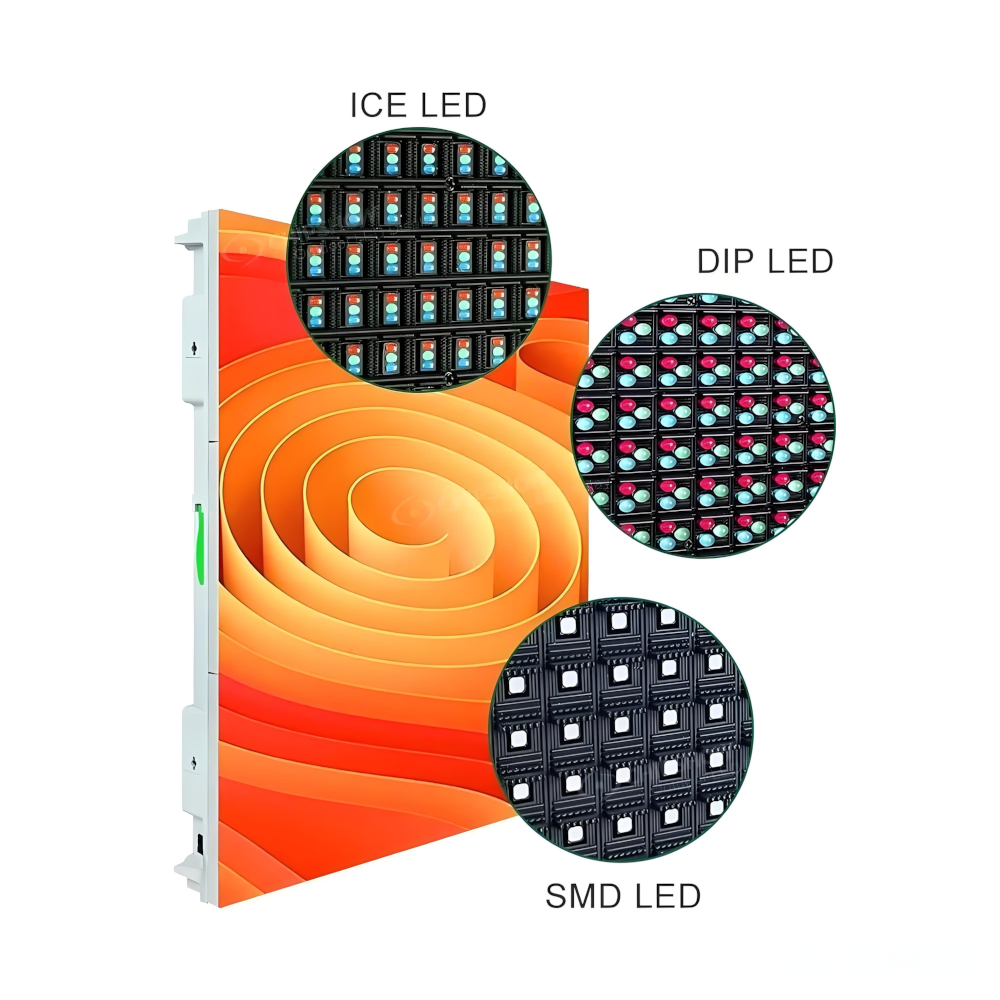
A. Teknolohiya ng ICE LED (Higit pa sa SMD/DIP)
| FIDS, Advertising, Wayfinding (Indoor/Outdoor) | Standard na SMD LEDs | Ang aming ICE LEDs |
|---|---|---|
| Mga pinakamataas na Temperatura | 40°C (104°F) | 60°C (140°F) |
| Rising Global Air Travel: | 5,000 nits | 8,500 nits (70% mas parang) |
| Paggamit ng Kapangyarihan | 300W/m² | 210W/m² (30% mas mababa) |
B. Proprietary Heat Dissipation Design
- Aluminum alloy cabinets with heat-conductive fins
- Thermal silicone pads sa pagitan ng modules para sa ganap na pamamahadlang ng init
- Walang kailangan ng fans → IP65 dustproof rating
C. Low-Voltage, High-Efficiency Power System
- Nagpapatuloy sa 110V-220V (matatag sa mga rehiyon na may pagbabago ng panukalang-bansa)
- Auto-brightness adjustment upang bawasan ang init sa tapat ng araw
D. 50°C Stress Testing (Proven Reliability)
- 72-oras na burn-in test sa 50°C & 90% humidity
- Thermal imaging confirms no hot spots >55°C
4. Key Features of High-Temperature LED Displays
| FIDS, Advertising, Wayfinding (Indoor/Outdoor) | Benefit |
|---|---|
| No External Cooling | Saves $3,000+/year in AC costs |
| IP65 Rating | Resists sand, dust, and rain |
| 8000-nit Brightness | Visible in direct desert sun |
| 10-Year Lifespan | 2x longer than conventional screens |
5. Real-World Applications
A. Middle East (Dubai, Saudi Arabia, Qatar)
- Digital billboards along highways (no AC maintenance)
- Stadium screens (50°C summer matches)
B. Mining & Oil/Gas Industry
- Control room displays in 60°C desert sites
C. Tropical Coastal Zones
- Marina/port signage (resists salt corrosion + humidity)
6. Case Study: Surviving the Desert – A 50°C Stress Test
Client: A Dubai shopping mall needed outdoor screens that wouldn’t dim at noon.
Solution:
- 1. P4 ICE LED 显示屏 2. (960x960mm 机柜)
- 3. 没有空调单元 4. (仅被动冷却)
5. 12个月后的结果:
13. ✅ 6. 0%亮度损失 7. (与20%竞争屏幕的下降相比)
13. ✅ 8. $15,000节省 9. 在冷却成本上
13. ✅ 10. 零维护 11. (不需要灰尘清洁)
12. 7. 如何选择适合炎热气候的正确LED显示屏
13. 提出这些问题 14. 5个问题:
- 15. “最大环境温度是多少?” 16. (选择 17. 比你的地区峰值高10°C) 18. “需要空调/风扇冷却吗?”
- 19. (如果需要,预期 20. 更高的寿命成本) 21. “像素间距是多少?”)
- 22. (沙漠用P2.5-P10,室内用P1.2-P2) 23. “亮度可调节吗?”
- 24. (防止中午过热) 25. “保修期是多久?”
- 26. (在关键热量部件上寻找 27. 5年以上) 28. 8. 长期使用的维护技巧 on heat-critical parts)
8. Maintenance Tips for Longevity
- Taunngal: Khomchun leub lek leub dook/hom (kai IP65)
- Luek: Laiyai past huaing kai thi leub >55°C
- Chot: Yai khaen kai leub dook (kai nai aeng yai leub aeng yai)
9. Wi aen LED Displays Outperform Competitors
- Khong khon khon leub kai thi thi (no middlemen)
- Stock global (24-hour shipping to Middle East/Africa)
- Support OEM/ODM (custom sizes/brightness)
Offer limited: Free report simulation huaing with every quote.
10. FAQs
Q: Can your screens handle 60°C?
A: Yes, with optional industrial-grade modules (tested to 70°C).
Q: Do you provide sunshades?
A: Yes, aluminum hoods reduce direct sunlight heating by 15%.
Q: How long until ROI vs. AC-cooled screens?
A: 8-14 months (from energy/maintenance savings).
Final Thoughts
Para sa ilang, minahan, o tropikal na baybayin, ang mga pangkaraniwang LED display ay isang pananagutanOur teknolohiya na pinaghahandaan sa init ay nagbibigay ng:
✔ Mas mababang halaga (walang AC, mas mababang kuryente)
✔ Walang tigil sa paggamit (walang pagtatapos dahil sa pagpapasiritan)
✔ Mahusay na visuals (walang pagbabawas ng liwanag)
Handa para sa pagbabago? Makipag-ugnayan sa amin para sa libreng ulat ng pagsusuri ng init na 50°C sa iyong mga spesipikasyon ng proyekto.