
Lynnhan – تثبیت شدہ سپلائی کا فریضہ | LED/OLED/LCD/E-paper ڈیجیٹل سگنیشنز
Lynnhan – تثبیت شدہ سپلائی کا فریضہ | LED/OLED/LCD/E-paper ڈیجیٹل سگنیشنز
Lynnhan – تثبیت شدہ سپلائی کا فریضہ | LED/OLED/LCD/E-paper ڈیجیٹل سگنیشنز
Lynnhan – تثبیت شدہ سپلائی کا فریضہ | LED/OLED/LCD/E-paper ڈیجیٹل سگنیشنز
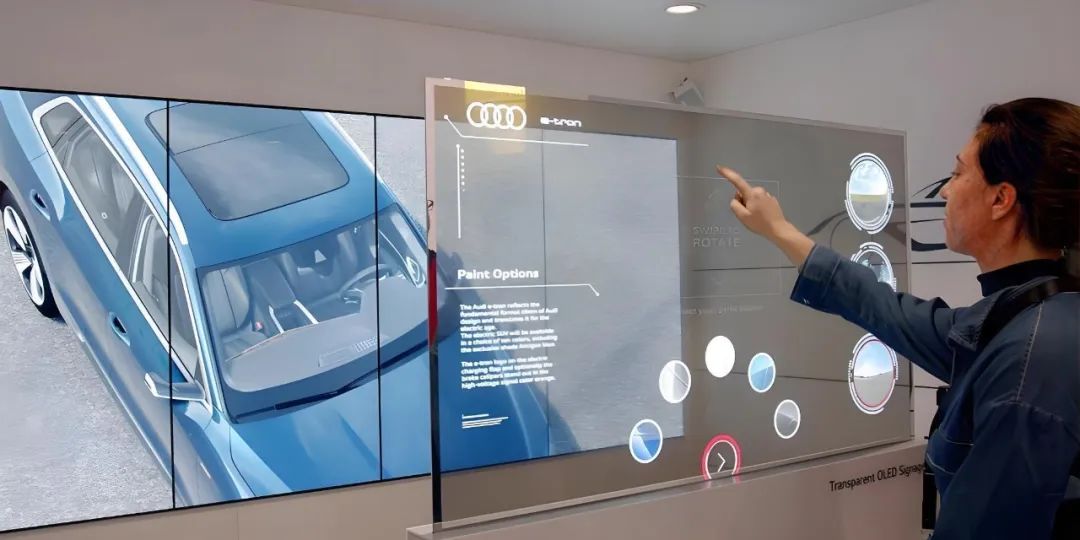
1. نمو دیسپلی تکنالوجی، OLED (دیود نشر نور ارگانیک) نئوپلی بچی دیکا بناووو. آووازش دیکا نما دیکا، دیزاین خلیل و انرجی کفایت کاری دیکا معروف، OLED دیسپلائی دیکا از کومپیوتری الکتریکی دیکا تارکو تارکو آگهی دهی دیکا تارکو صنعت دیکا نئوپلی بچی کرون. کی لینوهان کمپنی، آپ دیکا بیتورست پروری، آپو دیکا توضیح دیکا آووو کی OLED دیسپلائی دیکا آووو، چا کار کرون، اووو چا بیتورست کرون.
2. OLED دیسپلائی دیکا چا آووو؟
3. OLED دیسپلائی دیکا آووو نئوپلی دیسپلی تکنالوجی دیکا آووو آووو، جو آووو کی آوووکوو آووو آوووکوو آووو آوووکوو دیکا آووو آووو آوووکوو آووو کی آووو آوووکوو دیکا آووو آووو آوووکوو دیکا آووو آووو آوووکوو دیکا آووو آووو آوووکوو دیکا آووو آووو آوووکوو دیکا آووو آووو آوووکوو دیکا آووو آووو آوووکوو دیکا آووو آووو آوووکوو دیکا آووو آووو آوووکوو دیکا آووو آووو آوووکوو دیکا آووو آووو آوووکوو دیکا آووو آووو آوووکوو دیکا آووو آووو آوووکوو دیکا آووو آووو آوووکوو دیکا آووو آووو آوووکوو دیکا آووو آووو آوووکوو دیکا آووو آووو آوووکوو دیکا آووو آووو آوووکوو دیکا آووو آووو آوووکوو دیکا آووو آووو آوووکوو دیکا آووو آووو آوووکوو دیکا آووو آووو آوووکوو دیکا آووو آووو آوووکوو دیکا آووو آووو آوووکوو دیکا آووو آووو آوووکوو دیکا آووو آووو آوووکوو دیکا آووو آووو آوووکوو دیکا آووو آووو آوووکوو دیکا آووو آووو آوووکوو دیکا آووو آووو آوووکوو دیکا آووو آووو آوووکوو دیکا آووو آووو آوووکوو دیکا آووو آووو آوووکوو دیکا آووو آووو آوووکوو دیکا آووو آووو آوووکوو دیکا آووو آووو آوووکوو دیکا آووو آووو آوووکوو دیکا آووو آووو آوووکوو دیکا آووو آ
How Does an OLED Display Work?
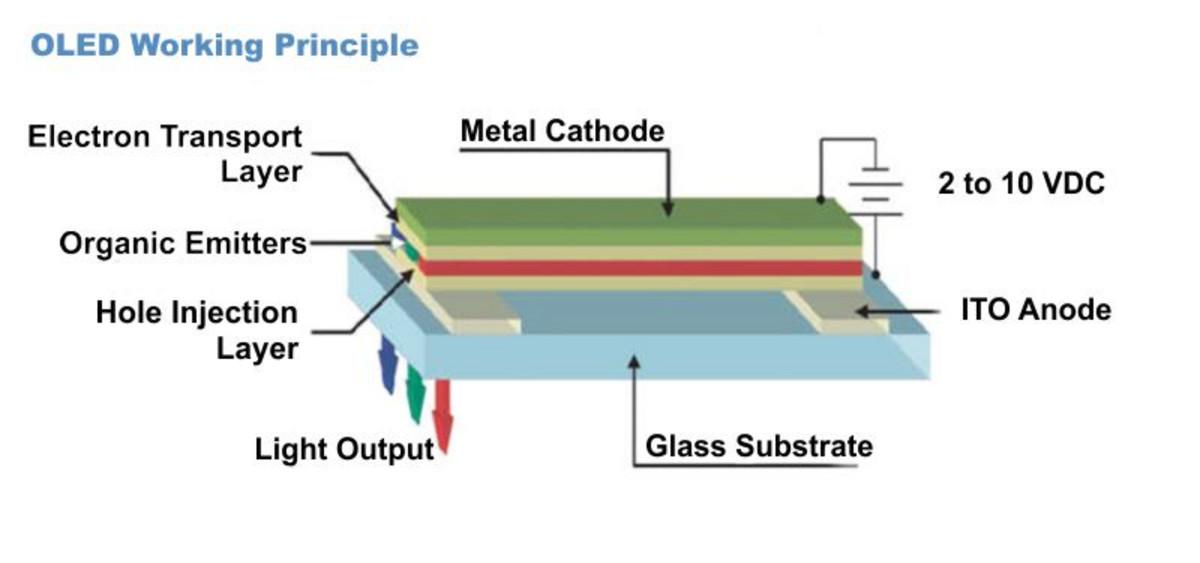
OLED displays are made up of thin layers of organic materials sandwiched between two electrodes (an anode and a cathode). When electricity is applied, the organic compounds emit light. The basic structure of an OLED display includes:
- Substrate: The base layer, usually made of glass or plastic, that supports the OLED structure.
- Anode: A transparent layer that removes electrons when a current is applied.
- Organic Layers: These include the emissive layer (which emits light) and the conductive layer (which transports electrons).
- Cathode: A reflective layer that injects electrons into the organic layers.
When voltage is applied, electrons flow from the cathode to the anode, passing through the organic layers. This process excites the organic molecules, causing them to emit light. By controlling the intensity of the light emitted by each pixel, OLED displays can produce a wide range of colors and shades.
Types of OLED Displays
At Lynnhan.com, we offer a variety of OLED displays to meet different needs. Here are the most common types:
- Passive-Matrix OLED (PMOLED)
PMOLED displays are simpler in design and are typically used in smaller devices like smartwatches and MP3 players. They are cost-effective but have limitations in terms of resolution and screen size. - Active-Matrix OLED (AMOLED)
AMOLED displays are more advanced and are commonly used in smartphones, tablets, and TVs. They use a thin-film transistor (TFT) backplane to control each pixel individually, resulting in higher resolution, faster response times, and better energy efficiency. - Flexible OLED
Flexible OLED displays are made using plastic substrates instead of glass, allowing them to bend or fold. These displays are used in innovative applications like foldable smartphones and curved TVs. - Transparent OLED
Transparent OLED displays allow light to pass through the screen, making them ideal for augmented reality (AR) applications, retail displays, and smart windows. - Top-Emitting OLED
These displays emit light from the top of the structure, making them more efficient and suitable for high-resolution applications like microdisplays.
Benefits of OLED Displays
OLED displays offer several advantages over traditional display technologies like LED and LCD. Here are some of the key benefits:
- Perfect Blacks and Infinite Contrast
Since each pixel emits its own light, OLED displays can completely turn off individual pixels to achieve true blacks. This results in an infinite contrast ratio, providing a more immersive viewing experience. - 23. وسیع دیکھنے کی زاویے
1. OLED نمائشات نے بہت زیادہ زاویات سے بھی مساوی رنگ اور روشنی رکھتار رکھتی ہیں، جس کی وجہ سے وہ گروپ نمائش کیلئے مثالی ہیں. - 2. نازک اور سادیدار ڈیزائن
3. OLED نمائشات کو بلکچر اپنائے جانے کی ضرورت نہیں ہوتی، جس کی وجہ سے وہ بے حد نازک اور سادیدار رہتی ہیں. یہ ان کو خوشگوار، جدید ڈیوائزز کیلئے مثالی بناتا ہے. - 25. توانائی کی بچت
4. OLED نمائشات کو بجلی کی کافی کم کھپت ہوتی ہے، خاص طور پر تاریک مواد نمائش کے دوران، کیونکہ انفرادی پائیکلز کو پوری طرح بند کردیاجاسکتا ہے. - 5. تیز جواب دینے والی نمائش
6. OLED نمائشات LCD کے مقابلے میں تیزتر جواب دینے والی نمائشات رکھتی ہیں، جس سے موشن بلر کم ہوتی اور وہ گیمنگ اور تیز رفتار مواد کیلئے مثالی بنتی ہیں. - 7. زندہ رنگ
8. OLED نمائشات کو وسیع تر رنگ گیمیٹ کی پیشکش کرتی ہیں، جس سے زیادہ زندہ اور حقیقی نمائش پیدا ہوتی ہیں.
9. OLED نمائشات کے استعمال
10. OLED نمائشات اپنی بہتر کارکردگی اور کثیر جہتی کی وجہ سے کئی صنعتوں میں استعمال ہوتے ہیں. یہاں چند سب سے عام استعمالات درج ہیں:
- 26. As LED نمائشات روایتی کاروادی اشتigraphs سے باہر آنے لگتی ہیں، وہ غور و فکر کے تفریحات کی تجربات پیدا کر رہی ہیں، اسمارٹ شہروں کو ممکن بناتے ہیں اور فلم سازی میں انقلاب پیدا کر رہی ہیں 11. OLED نمائشات اسمارٹ فون، تاپلیٹ، لپ تاب، اور ٹی وی میں وسیع طور پر استعمال ہوتے ہیں، جس سے بے نظیر نمائش اور نازک ڈیزائنز ملتے ہیں.
- 12. وریئبل ڈیوائزز: 13. اسمارٹ واچ اور فٹنس ٹریکرز کو ان کی توانائی کی کفایت اور انسدادیت کی وجہ سے OLED نمائشات استعمال میں لایا جاتا ہے.
- 18. موٹر کار: 14. OLED نمائشات موٹر گاڑی کی ڈیش بورڈ، انفوٹینمنٹ سسٹم، اور رار سیت اینٹری سکرینز میں استعمال ہوتے ہیں.
- 15. آگاہی: 16. ڈیجیٹل سیگنیج اور ریتل نمائشات کو OLED کے زندہ رنگ اور نازک ڈیزائن کا فائدہ ملتی ہے.
- 16. طبی سازوسامان: 17. OLED نمائشات کو اعلیًک ریزیشن اور دقت کی وجہ سے میڈیکل امجنگ اور تشخیصی آلات میں استعمال ہوتے ہیں.
- 18. اضافی حقیقت (آر): 19. شفاف OLED نمائشات آر اپلیکیشنز کیلئے مثالی ہیں، جس سے ڈیجیٹل اور حقیقی دنیا کے مواد کا سلسلانامہ پیدا ہوتا ہے.
20. OLED کے مقابلے میں LED/L
While OLED displays offer many advantages, it’s important to understand how they compare to traditional LED and LCD displays:
- Black Levels: OLED displays can achieve perfect blacks, while LED/LCD displays rely on backlighting, which can cause light bleed.
- Viewing Angles: OLED displays maintain consistent colors at wide angles, whereas LED/LCD displays may experience color shifting.
- Thickness: OLED displays are thinner and lighter due to the lack of a backlight.
- عمر زندگی: LED/LCD displays generally have a longer lifespan, as OLED displays can experience burn-in over time.
- Cost: OLED displays are typically more expensive than LED/LCD displays, though prices are gradually decreasing.
Why Choose Lynnhan.com for Your OLED Display Needs?
At Lynnhan.com, we are committed to providing high-quality OLED displays that meet the needs of our customers. Here’s why you should choose us:
- 4. مصنوعات کا وسیع رینج: We offer a diverse selection of OLED displays, flexible, and transparent options.
- Superior Quality: 6. ہمارے مصنوعات معروف مینوفیکچررس سے حاصل کئے گئے ہیں اور ان پر سخت معیار چک کیا گیا ہے.
- Expert Support: 7. ہمارے ماہرین کی ٹیم ہمیشہ آپ کو اپنے استعمال کیلئے صحیح نمونہ منتخب کرنے میں مدد کرنے کی تیار ہے.
- مسابقتی قیمت 8. ہم کی جائزیت کو کم نہیں کرتے ہوئے قابل استطاعت حل فراہم کرتے ہیں.
- 9. عالمی فراہمی: 10. آپ کے جگہ کی اہمیت نہیں، ہم اپنے مصنوعات پوری دنیا میں لہجا دیتے ہیں.
Conclusion
OLED displays represent the pinnacle of display technology, offering unparalleled picture quality, energy efficiency, and design flexibility. Whether you’re looking for a high-end TV, a cutting-edge smartphone, or an innovative advertising solution, OLED displays deliver exceptional performance.
Explore our collection today and discover the perfect OLED display for your needs.
13. مزید معلومات یا درخواست کے لئے، 14. لین ہین کمپنی. ہم آپ کو نمائش تکنالوجی کے مستقبل کا تجربہ کرنے میں مدد کریں!