

1. 1. นาฬิกาสารเรื่องการแสดงแสง LED ในสนามบิน
2. สนามบินสมัยใหม่เป็นระบบเครือข่ายที่ซับซ้อน ที่การไหลข้อมูลอย่างมีประสิทธิภาพเป็นประโยชน์สำคัญสำหรับการปฏิบัติงานที่มีประสิทธิภาพและความพึงพอใจของผู้โดยสาร เทคโนโลยีการแสดงแสง LED ได้กลายเป็นหลักกำบังของโครงสร้างเหล่านี้ ซึ่งก้าวข้ามจากการแสดงแสงที่เรียบง่ายและกลายเป็นส่วนประกอบที่เป็นจำเป็นในหลายๆ พื้นที่งานต่าง ๆ การแสดงแสงนี้ไม่เพียงแค่เป็นสื่อที่ช่วยเหลือทางภาพที่มีประโยชน์; นั่นเป็นแผงการสื่อสารที่มีความเคลื่อนไหวที่ช่วยเพิ่มความปลอดภัย ทำให้การปฏิบัติงานเรียบร้อยและเพิ่มความพึงพอใจของผู้โดยสารอย่างมาก 135.
3. ความสำคัญของการแสดงแสง LED ในสนามบินสมัยใหม่อยู่ที่ความสามารถในการแสดงข้อมูลที่มีความเห็นได้ดีในเวลาที่เปลี่ยนแปลงและมักเป็นสภาพที่กดดันทางจิตใจ ต่างจากแสงบอร์ดสตาติกหรือเทคโนโลยีการแสดงแสงเก่าที่เรียกว่า LED มีความวาบแผ่ที่ดีกว่า ความเปรียบเทียบและความชัดเจนของสี ทำให้ข้อมูลง่ายต่อการอ่านในเงื่อนไขแสงที่แตกต่างกัน รวมทั้งแสงแดดตรง 44. ความเห็นได้ดีที่เพิ่มขึ้นนี้เป็นสำคัญสำหรับการแสดงข้อความฉุกเฉิน ช่วยให้ผู้โดยสารหลักฐานได้ง่าย และทำให้การปฏิบัติงานเรียบร้อย 4.
5. บทบาททางฝ่ายงานที่หลากหลายของการแสดงแสง LED ครอบคลุมทั้งทางที่ผู้โดยสารมาถึงทางออก 15.
2. Diverse Applications and Requirements
The application of LED display technology within airports is extensive, each use case presenting unique performance demands. Understanding these diverse requirements is crucial for selecting and deploying the appropriate display solutions.
Flight Information Display Systems (FIDS)
FIDS are perhaps the most critical application of LED displays in airports. These systems provide real-time updates on flight arrivals and departures, including times, gate numbers, check-in counters, and status (e.g., “On Time,” “Delayed,” “Boarding,” “Landed”) 16. The unique demands for FIDS displays include:
- Real-time Data Integration: Seamless connection to the Airport Operational Database (AODB) is essential for displaying accurate and up-to-the-minute information 2.
- High Reliability and Uptime: FIDS are mission-critical systems; any failure can cause significant disruption. Displays must be designed for 24/7 operation with robust components and potentially redundant systems 8.
- Clarity and Legibility: Information must be easily readable from various distances and angles, requiring appropriate pixel pitch and wide viewing angles 3.
- Handling Code Sharing: FIDS must accurately display information for flights with multiple flight numbers under code-sharing agreements 6.
- Consistent Presentation: A uniform layout and appearance across all FIDS displays within the airport are vital for passenger ease of use 8.
- Manual Override Capability: While automated, the system should allow for manual updates in case of system failures or specific operational needs 7.
Advertising and Brand Promotion
LED displays are widely used for advertising within airport terminals, concourses, and even outdoor areas 15. These displays offer dynamic content capabilities that are far more engaging than static billboards. Requirements for advertising displays include:
- High Brightness and Color Accuracy: To attract attention and effectively convey brand messaging in brightly lit environments 4.
- Adaptability and Flexibility: Support for various content formats (images, video, text) and the ability to change content based on time, location, or audience demographics 1.
- High Refresh Rate: 1. เพื่อให้การเล่นวีดีโอได้สะดวกและป้องกันปัญหาการเพลิงตา เป็นสิ่งที่สำคัญสำหรับความงดงามทางสายตาและลดความเครียดตา 5.
- 5. ความทนทาน 2. โดยเฉพาะสำหรับการติดตั้งนอกในแวดล้อม จอที่แสดงต้องทนต่อปัจจัยสิ่งแวดล้อม เช่นสภาพอากาศและการเปลี่ยนแปลงอุณหภูมิ 11.
- 3. การรวมตัวระบบจัดการสารบรรณ (CMS) 4. ระบบจัดการสารบรรณที่แข็งแรงขึ้นนั้นจำเป็นสำหรับการตั้งตาราง จัดการ และจัดส่งสารบรรณโฆษณาที่มีเป้าหมาย 41.
5. การนำทางและการตัดสินทาง
6. จอแสดง LED บวกเป็น "ผู้เชี่ยวชาญการนำทางสมอง" ที่นำผู้โดยสารผ่านโครงสร้างที่ซับซ้อนของสนามบินไปยังทางออก จุดรับสินค้า ห้องน้ำ และสิ่งบริการอื่นๆ 147. ข้อต้องการรวมถึง:
- 8. กราฟิกที่ชัดเจนและเข้าใจง่าย 9. แผนที่ที่ง่ายต่อการเข้าใจ ไอคอน และเส้นนำทาง 5.
- 10. ปรับปรุงทันที 11. ความสามารถในการปรับปรุงเส้นทางหรือให้สัญญาณทางอื่นๆ ในกรณีที่มีการเปลี่ยนแปลงปฏิบัติการหรือการจราจร
- 12. การรวมตัวกับระบบนำทาง 13. การเชื่อมต่อกับการนำทางของสนามบินเพื่อให้การนำทางที่แน่นอน
- 14. ความสามารถในการเข้าถึง 15. ความเป็นไปได้ของการสนับสนุนหลายภาษาและความเป็นไปได้สำหรับผู้ป่วยตา 19.
16. ข้อความระบาดความปลอดภัย
17. จอที่แสดงใช้สำหรับแถลงการณ์ระดับความปลอดภัย แนะนำ และข้อมูลเกี่ยวกับสิ่งของที่ห้ามนำเข้า 118. ข้อต้องการสำคัญรวมถึง:
- 19. การแจกจ่ายสารบรรณทันที 20. ความสามารถในการแทนที่สารบร 41.
- High Visibility: Ensuring critical information is seen by a large number of people quickly 40.
- Integration with Security Systems: Potential links to security sensors or control centers for automated alerts.
Baggage Claim Information
LED displays at baggage claim areas provide information on which carousel corresponds to arriving flights 17. ข้อต้องการรวมถึง:
- Real-time Data: Accurate and timely updates from baggage handling systems 5.
- 5. ความทนทาน Resistance to potential physical impact in high-traffic baggage areas 39.
- Clear Identification: 以下是根据您的要求翻译的文本:
1. สามารถเห็นเลขเที่ยวบินและการจัดสรรตัวยานอย่างง่ายต่อเพลิง
2. บริการบันเทิงสำหรับผู้โดยสาร 153. ในพื้นที่รออยู่ จอแสง LED สามารถให้บริการบันเทิง ข่าว และข้อมูลเกี่ยวกับสิ่งอำนวยความสะดวกของสนามบิน
4. ข้อต้องการคล้ายกับจอแสงประกาศ โดยเน้นการเปลี่ยนแปลงเนื้อหาและคุณภาพทาง視覚เพื่อเพิ่มประสบการณ์ของผู้โดยสารระหว่างช่วงเวลาที่อยู่รอ
5. โปรแกรมศูนย์ควบคุม 146. จอแสง LED สู้ความละตามสูงใช้ในศูนย์ควบคุมสนามบินเพื่อตรวจสอบและประสานงานปฏิบัติการ บันทึกวิดีโอด้านความปลอดภัย ข้อมูลการควบคุมการบินและการไหลของผู้คน
- 7. . โปรแกรมศูนย์ควบคุมเหล่านี้ต้องการ: 8. ความละตามสู้ความละตามและการแจกแบ่งพิกเซล: 53.
- 9. สำหรับการแสดงข้อมูลละเอียดอย่างชัดเจน 10. ความเชื่อมั่นและการปฏิบัติงานตลอด 24 ชั่วโมง:
- 11. สำคัญสำหรับการตรวจสอบต่อเนื่อง 12. การเชื่อมโยงกับระบบมากกว่าหนึ่ง: 14.
13. แสดงข้อมูลจากแหล่งข้อมูลต่างๆ พร้อมกัน
14. โปรแกรมศูนย์ควบคุมหลากหลายนี้ชี้ให้เห็นความจำเป็นของระบบจอแสง LED แบบต่างๆ และการจัดการที่เหมาะสมต่อภารกิจเฉพาะที่ของมันในสภาพแวดล้อมสนามบิน
15. 3. รายละเอียดเทคนิคและเทคโนโลยีการแสดง
16. การทำงานของจอแสง LED ในสนามบินนั้นน่าจะต้องการด้วยหลายตัวมาตรฐานเทคนิคสำคัญ การเลือกเทคโนโลยีการแสดงมีผลต่อมาตรฐานเหล่านี้และความเหมาะสมสำหรับการ
- Pixel Pitch: The distance between the centers of adjacent pixels. A smaller pixel pitch results in higher resolution and is necessary for displays viewed at close distances, such as information kiosks or detailed FIDS screens 17. Larger pixel pitches are acceptable for displays viewed from further away, like large advertising boards in open concourses.
- Brightness: Measured in nits, brightness is crucial for visibility, especially in environments with high ambient light, such as areas near windows or outdoors. Outdoor displays require significantly higher brightness than indoor ones 4.
- Refresh Rate: The number of times per second the display refreshes its image. A high refresh rate (e.g., >6000 Hz) is essential for smooth video playback and preventing flickering, particularly important for advertising and entertainment content 5.
- Viewing Angle: The maximum angle from which the display can be viewed with acceptable image quality. Wide viewing angles are critical in large airport spaces where passengers may be viewing displays from various positions 19.
- Color Accuracy: The ability of the display to reproduce colors faithfully. Accurate color representation is important for branding, advertising, and ensuring clear differentiation of information. Displays can be hardware calibrated for consistency 8.
- 5. ความทนทาน The ability of the display to withstand environmental factors (temperature, humidity, dust) and physical impact. Robust construction and appropriate ingress protection (IP) ratings are necessary, especially for outdoor and baggage claim areas 11.
- Thermal Management: 1. การประหยัดความร้อนเป็นสิ่งสำคัญสำหรับการรักษาการทำงานและชีวิตของจอ โดยเฉพาะสำหรับจอที่ปฏิบัติงานตลอด 24 ชั่วโมง ในสภาพอากาศที่อาจจะร้อน 8.
2. ระบบแสดงผลที่มีอยู่และกำลังเข้ามาแทนที่
- 3. อุปกรณ์ติดตั้งผิว (SMD) LED: 4. ในขณะนี้เทคโนโลยีที่มีอิทธิพลสูงสำหรับจอแสดงผล LED มีช่องกว้างภายในที่มีขนาดเล็ก. SMD LED มีสีแสงและมีมุมมองที่ดี ทำให้เหมาะสำหรับใช้ในระยะทางกว้างของสนามบิน
- 5. ชิปบอร์ด (COB) LED: 6. ทีคโนโลยีใหม่ที่ชิป LED ถูกติดตั้งโดยตรงบนการติดตั้งเครื่องเชื่อมต่อ (PCB) และหลังจากนั้นถูกทับตัว. COB มีความแข็งแรงเพิ่มขึ้น การประหยัดความร้อนที่ดีขึ้น และมีขนาดจุดซับซ้อนที่เล็กกว่าที่มีอยู่ใน SMD โดยปกติ. มันกำลังเริ่มแพร่หลายสำหรับจอแสดงผลภายในที่มีขนาดเล็ก
- 7. MicroLED: 8. ทีคโนโลยีที่มีกำลังที่จะเกิน SMD และ COB ในหลายด้านสำคัญ. MicroLED ใช้ชิป LED ที่มีขนาดเล็ก ประกาศสำหรับจุดซับซ้อนที่เล็กมากขึ้น สีแสงและความเปราะบางที่สูงขึ้น การบริโภคพลังงานต่ำขึ้น และชีวิตที่ยาวนานขึ้น [การเรียนรู้ 3 จุด 1-6]. แม้ว่าในขณะนี้มีราคาสูงขึ้นและเผชิญกับความยากลงทางการผลิต แต่ MicroLED ยังคงเห็นว่าเป็นเทคโนโลยีที่ใช้ในอนาคตสำหรับจอแสดงผลสูงความละเอียด ที่มีการทำงานดีขึ้นในสนามบิน ซึ่งอาจจะสนับสนุนการนำเสนอใหม่เช่น ที่ม
- Transparent Displays: Technologies like Transparent OLED are being explored for unique airport applications, such as creating futuristic advertising experiences or integrating information displays into architectural elements like windows or barriers 5557. These displays offer high contrast and vibrant colors while allowing visibility through the screen 57.
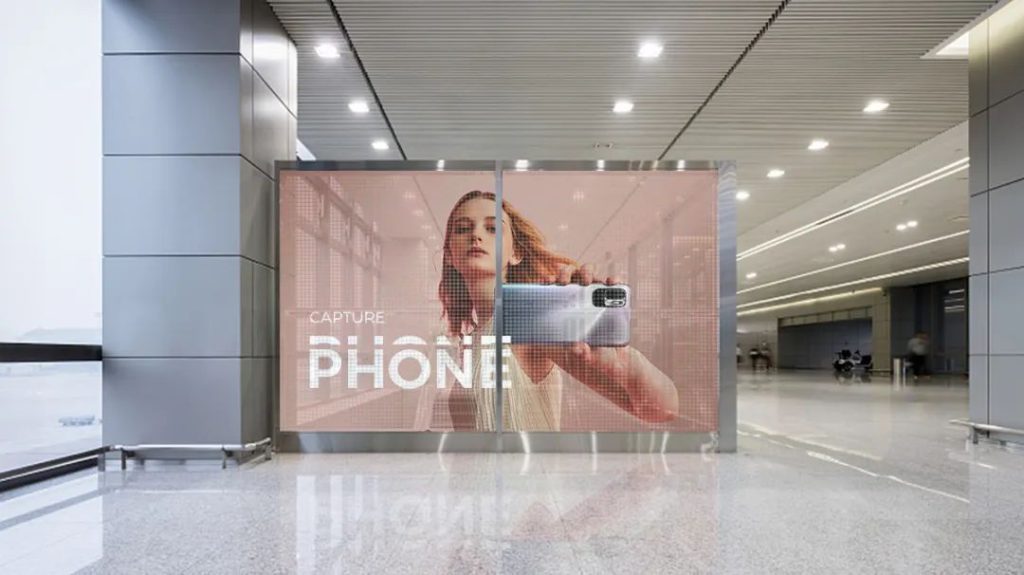
Transparent LED Screen For Airport
A comparative analysis highlights the trade-offs between these technologies:
| คุณสมบัติ | SMD LED | COB LED | MicroLED (Emerging) | Transparent OLED (Emerging) |
|---|---|---|---|---|
| Pixel Pitch | Fine to Coarse | Finer than SMD, improving | Potentially much finer than COB | Varies, often larger pixel pitch |
| ความสว่าง | High | High, often better thermal performance | Potentially higher | High contrast, but overall brightness can vary |
| Durability | Good, depends on encapsulation | Improved resistance to dust/impact | High | Can be fragile, depends on mounting |
| Thermal Mgmt. | 1. มาตรฐาน | 2. ที่ถูกปรับปรุง | 3. อาจลดอัตราการสร้างความร้อน | 4. ต่างกัน |
| 5. การบริโภคพลังงาน | 1. มาตรฐาน | 1. มาตรฐาน | 6. อาจลด | 4. ต่างกัน |
| 7. ชีวิตการใช้งาน | 8.ยาวนาน | 8.ยาวนาน | 9. อาจยาวนานขึ้น | 8.ยาวนาน |
| 10. ค่าใช้จ่าย | 11. ปานกลาง | 12. ปานกลางถึงสูง | 13. สูง (ในขณะนี้) | 13. สูง (ในขณะนี้) |
| 14. การผลิต | 15. แข็งแกร่ง | 16. กำลังเติบโต | 17. ท้าทาย (การแลกเปลี่ยนที่สามารถนำไปใช้กัน) | 18. มีความเชี่ยวชาญ |
| 19. กรณีการใช้งานที่สนามบิน | 20. FIDS, การโฆษณา, การแนวทาง (ภายใน/ภายนอก) | 21. FIDS ภายในตัวเลขเล็ก, ศูนย์ควบคุม | 22. กิ๊อกส์ที่มีความละตะลึงสูง, การโฆษณาหรูหรา, ศูนย์ควบคุม | 23. การบังคับการรวมเข้ากันทางโครงสร้าง, การโฆษณา |
24. การเลือกระบบการแสดงผลต้องปรึกษาอย่างระมัดระวังทั้งความต้องการของการใช้งานเฉพาะทาง, สภาพแวดล้อมการดู, ข้อจำกัดงบประมาณ, ชีวิตการใช้งานที่ต้องการและโพรไฟล์การซ่อมบำรุง [Learning 3, Point 16].
25. 4. สภาพตลาด, บรรดาผู้เชี่ยวชาญหลัก และยุทธศาสตร์การซื้อขาย
26. ตลาดการแสดงจอแฟ็กซ์ที่สนามบินระดับโลกเป็นส่วนที่มีความสำคัญและกำลังเติบโตจากการเพิ่มขึ้นของการเดินทางทางอากาศและความต้องการที่จะปรับปรุงสนามบินอย่างต่อเนื่อง
27. ขนาดตลาดและแนวโน้ม
28. ตลาดจอแสดงผลที่สนามบินระดับโลกมีมูลค่า $2.5 พันล้านดอลลาร์ในปี 2023 และคาดว่าจะเติบโตไปถึง $5.8 พันล้านดอลลาร์ในปี 2032 แสดงให้เห็นอัตราการเติบโตเป็
Key market drivers include:
- Rising Global Air Travel: 1. จำนวนผู้โดยสารที่เพิ่มขึ้น ทำให้ต้องการระบบข้อมูลที่มีประสิทธิภาพมากขึ้น [ทราบความรู้ 4 จุด 15].
- 2. การลงทุนในโครงสร้างทางอากาศยาน: 3. โครงการปฏิรูปและการขยายของโลกทั่วไป กระตุ้นความต้องการตั้งโซ่แสงที่ใหม่ [ทราบความรู้ 4 จุด 16].
- 4. ปรับปรุงประสบการณ์ผู้โดยสาร: 5. สนามบินกำลังลงทุนในโซ่แสงเพื่อปรับปรุงการไหลของข้อมูลและลดความเครียด [ทราบความรู้ 4 จุด 17].
- 6. การเปลี่ยนแปลงดิจิตอล: 7. แนวโน้มที่แพร่หลายของการดิจิตอลไปทางสนามบินรวมถึงการปรับปรุงโครงสร้างแสงที่ใช้ [ทราบความรู้ 4 จุด 18].
- 8. การรวมตัวกับระบบสมาร์ท: 9. โซ่แสงกำลังกลายเป็นองค์ประกอบส่วนที่รวมของระบบสมาร์ทสนามบิน [ทราบความรู้ 4 จุด 19].
- 10. รายได้จากการโฆษณา: 11. ที่มีโอกาสสร้างรายได้ผ่านการโฆษณาดิจิตอลเป็นแรงกระตุ้นที่สำคัญ [ทราบความรู้ 4 จุด 20].
- 12. ความก้าวหน้าทางเทคโนโลยี: 13. การปรับปรุงในเทคโนโลยี LED รวมถึงราคาที่ลดลงและประสิทธิภาพด้านพลังงานที่สูงขึ้นทำให้มันดูดดึงดีกว่าโซ่แสงประเภทเก่าอย่าง LCD [ทราบความรู้ 4 จุด 21-25].
14. ปัญหาที่จำกัดตลาดหลักคือต้องการลงทุนเริ่มต้นสูงสำหรับการติดตั้งโซ่แสง LED ในวงกว้าง [ทราบความรู้ 4 จุด 26].
15. จากนามภาพทางภูมิศาสตร์ ภูมิภาคแอเชีย-แปซิฟิก ในขณะนี้นำตลาดโซ่แสงแบบมอดูล LED ด้วยมีระบบผ
Key Players
The market includes a mix of large global electronics companies and specialized LED display manufacturers. Some notable players mentioned in the research include Samsung, Sony Corporation, and SHENZHEN ABSEN OPTOELECTRONIC CO., LTD. [Learning 4, Point 45]. Specialized providers like Daktronics offer integrated LED display solutions specifically for airports 54. Companies like PixelFLEX also offer rental services [Learning 4, Point 46].

Helix Ultra-Thin Double-Sided LED Display
Procurement Strategies
Procuring airport LED displays requires a comprehensive approach that goes beyond the initial purchase price. Critical considerations include:
- Total Cost of Ownership (TCO): This includes not only the upfront hardware cost but also installation, energy consumption, maintenance, repair, and eventual disposal costs over the display’s lifespan [Learning 4, Point 26, 32, 33, 40, 41]. Energy-efficient LED displays offer significant TCO advantages over traditional technologies [Learning 4, Point 22, 23, 33].
- Lifecycle Support: Evaluating the vendor’s ability to provide long-term support, including spare parts availability, technical assistance, and software updates, is crucial for ensuring the displays remain operational and effective throughout their service life [Learning 4, Point 40].
- Contractual Terms: Detailed contracts should cover performance guarantees (e.g., uptime SLAs), maintenance responsibilities, warranty periods, and terms for upgrades or replacements [Learning 4, Point 43-48].
- Technical Specifications Alignment: Ensuring the proposed displays meet the specific technical requirements for each application (pixel pitch, brightness, viewing angle, etc.) is paramount [Learning 2, Point 17-22].
- Integration Capabilities: The ability of the displays and their associated CMS to integrate seamlessly with existing airport systems (AODB, security, building management) is a key factor [Learning 2, Point 6, 7, 10, 12, 14, 15, 16, 21, 22].
- 1. ความขยายได้และความยอมรับแตกต่าง 2. การเลือกแนวทางที่สามารถขยายหรือกำหนดค่าตัวเลขใหม่ง่ายๆเพื่อตอบสนองความต้องการในอนาคตเป็นสิ่งสำคัญในสภาพแวดล้อมที่มีการเคลื่อนไหวของท่าอากาศยาน
3. กระบวนการซื้อขายที่ครอบคลุมเรื่องเหล่านี้ช่วยให้ท่าอากาศยานเลือกแนวทางแสดงที่มีค่าต่อเวลายาวนาน น่าเชื่อถือ และมีประสิทธิภาพด้านการปฏิบัติการ
4. 5. การจัดการปฏิบัติการ ความเชื่อถือฟังก์ชัน และการรักษาเครื่องมือ
5. การประกันความเชื่อถือและการทำงานที่ไม่หยุดนิ่งของหน้าจอ LED ที่ท่าอากาศยานเป็นสิ่งสำคัญอย่างยิ่ง เพราะบทบาทสำคัญของมันในการปฏิบัติการและประสบการณ์ของผู้โดยสาร การจัดการปฏิบัติการที่มีประสิทธิภาพและกลยุทธ์การรักษาเครื่องมือที่แข็งแกร่งเป็นสิ่งจำเป็น
6. การประกันความเชื่อถือและการทำงานที่ไม่หยุดนิ่ง
7. สภาพแวดล้อมที่ท่าอากาศยานทำให้เกิดความท้าทายเด่นชัดสำหรับอุปกรณ์อิเล็กทรอนิกส์ ซึ่งรวมถึงฝุ่น การเปลี่ยนแปลงของอุณหภูมิ และการที่มีแรงกระทบของแรงไฟฟ้าขั้น�� [ทราบข้อมูล 4 จุด 34][ทราบข้อมูล 5 จุด 1] หน้าจอต้องถูกสร้างขึ้นเพื่อที่จะทนต่อสภาพแวดล้อมนี้และปฏิบัติการได้ทั้ง 24 ชั่วโมงต่อวัน 88. ปัจจัยสำคัญสำหรับความเชื่อถือรวมถึง:
- 9. ฮาร์ดแวร์ที่แข็งแกร่ง 10. การใช้หน้าจอที่ออกแบบเพื่อการปฏิบัติการต่อเนื่องด้วยชิ้นส่วนที่ทนทานและการควบคุมอุณ 822.
- Stable Power Supply: Ensuring a stable power supply voltage is crucial to prevent flickering or instability 21. Installing surge protectors can mitigate damage from voltage fluctuations 25.
- Proper Installation: Correct installation, including secure wiring and appropriate mounting options, is vital for long-term reliability 21.
- Environmental Control: Maintaining appropriate temperature and humidity levels can prevent corrosion and short circuits 22.
Maintenance Models
Airports employ various maintenance models to ensure display functionality:
- Preventive Maintenance: Regularly scheduled inspections, cleaning, and software updates to identify and address potential issues before they cause failures 1623. This is crucial for maintaining optimal performance and extending lifespan 16.
- Reactive Maintenance: Addressing failures as they occur. While necessary for unexpected issues, relying solely on reactive maintenance is inefficient and can lead to significant downtime 17.
- Predictive Maintenance: Utilizing data and analytics to anticipate potential failures and schedule maintenance proactively 1731. This is increasingly enabled by AI and sensor technology 17.
Remote Monitoring and Management
Remote monitoring systems are becoming standard for airport displays, allowing maintenance staff to:
- Oversee display status (content, brightness, temperature) from a central location 14.
- 1. รับคำเตือนอัตโนมัติเมื่อมีการตรวจพบปัญหา 14.
- 2. ทำการปฏิบัติการทางไกลเช่นการปรับปรุงซอฟต์แวร์และปรับค่าตัวแปร ลดความจำเป็นในการมาติดตั้งที่สถานที่ 14.
- 3. แก้ปัญหาทั่วไปโดยทางไกลด้วยการตรวจสอบไฟฟ้าส่วนที่แข็งแรง การเชื่อมต่อเครือข่ายและสถานะคอนโทรลเลอร์ 27.
4. ระบบบำนวยรักษาก่อนเหตุที่ดำเนินงานโดยอาศัย AI สามารถวิเคราะห์ข้อมูลทันทีจากตัวตรวจจับเพื่อคาดการณ์ความล้มเหลวก่อนหน้าหลายสัปดาห์ ซึ่งทำให้สามารถมีการแทรกแซงก่อนหน้าและลดช่วงที่มีความหยุดงาน 17315. ระบบเหล่านี้สามารถตามตัวแปรเช่นการขยายความร้อนและอุณหภูมิผิว 17.
6. รูปแบบการล้มเหลวทั่วไปและการแก้ปัญหา
7. ปัญหาทั่วไปของจอแสดงจดหมายดิจิตอล LED รวมถึงจอดำ (โดยทั่วไปเป็นเหตุด้วยไฟฟ้าหรือปัญหาบอร์ดควบคุม), สีแสดงผิดปกติ (เมื่อมีการเสียตัว LED หลัก), สว่างแตกตาก (ไฟฟ้าไม่แน่นอน), และมืดบางส่วน (ปัญหาไฟฟ้าหรืออุปกรณ์) 21278. การแก้ปัญหาทั่วไปประกอบด้วยการตรวจสอบไฟฟ้า การเชื่อมต่อข้อมูล และสถานะคอนโทรลเลอร์ 279. รายงานการรักษาเอกสารละเอียดและสต๊อกส่วนประกอบที่เหลืออยู่เป็นสิ่งจำเป็นสำหรับการซ่อมแซมได้ผลสูง 18.
10. การใช้ไฟฟ้าและการกระแสเครื่องร้อน
11. จอแสดงจดหมายดิจิตอล LED มีประสิทธิภาพด้านการใช้พลังงานมากกว่าเทคโนโลยีเก่าแก่อย่าง LCD ซึ่งช่วยลดค่าใช้จ่ายปฏิบัติการ 33. However, large LED walls still consume substantial power and generate heat. Effective heat dissipation through design and potentially external cooling systems is necessary to maintain performance and lifespan 8. Power over Ethernet (PoE) is also being used to power smaller displays and associated network components, simplifying installation and reducing cabling 66.
Environmental Resilience
Displays installed in outdoor or semi-outdoor areas must be resilient to environmental factors. This includes appropriate IP ratings for protection against dust and moisture, as well as operating temperature ranges that can handle airport climates 22. Regular cleaning is also necessary to prevent dust accumulation from affecting viewing quality 18.
Service Level Agreements (SLAs)
SLAs are crucial in the airport context, defining the expected level of service for display systems, particularly FIDS. These agreements between airports and airlines typically cover uptime, response times for maintenance, and data accuracy 36. SLAs help ensure consistent service levels and can include penalties if standards are not met 36. Joint periodic reviews of SLAs are recommended to adapt to changing operational needs 36.
Effective operational management and a proactive, data-driven maintenance approach are critical for maximizing the value and reliability of airport LED display investments.
6. Content Management Systems and AI Integration
Advanced Content Management Systems (CMS) are the backbone of airport digital signage networks, enabling the efficient delivery of diverse and dynamic content across numerous displays. The integration of Artificial Intelligence (AI) is further enhancing the capabilities of these systems, moving towards more personalized, responsive, and optimized content delivery.
Functionalities of Advanced CMS
CMS platforms tailored for airport environments offer a range of functionalities:
- Scheduling and Zoning: Allowing administrators to schedule specific content to play at designated times and on particular zones or individual displays 41.
- Real-time Data Integration: Crucially, integrating with airport operational databases (AODB) and other systems (weather, traffic, news feeds) to display real-time information like flight updates, gate changes, and emergency alerts automatically 41.
- Content Creation and Management: Tools for creating, uploading, organizing, and managing various content formats (images, videos, text, interactive elements) 41.
- 1. การสนับสนุนหลายภาษา 2. สำคัญสำหรับสนามบินนานาชาติในการแสดงข้อมูลด้วยหลายภาษา 19.
- 3. การจัดการระยะไกล 4. ความสามารถในการจัดการและปรับปรุงเนื้อหาบนจอแสดงจากที่ตั้งศูนย์กลาง 14.
- 5. การจัดการบทบาทผู้ใช้ 6. กำหนดระดับติดต่อเข้าถึงต่าง ๆ สำหรับเจ้าหน้าที่สนามบิน 43.
- 7. การร่วมเครื่องมือกับโปรแกรมภายนอก 8. ความเข้ากันกับซอฟต์แวร์และ API ของบุคคลภายนอกเพื่อเพิ่มฟังก์ชันและการแลกเปลี่ยนข้อมูล 43.
9. การร่วมเครื่องมือของ AI ใน CMS
10. AI กำลังทำลายนิยมการแสดงนิติเครื่องทางดิจิตอลของสนามบินด้วยการทำให้เนื้อหามีสมองและมีการเคลื่อนไหวมากขึ้น
- 11. การสร้างเนื้อหาที่เคลื่อนไหว 12. AI โดยเฉพาะ AI ที่สร้างใหม่และการเรียนรู้เครื่องโดยสามารถถูกใช้เพื่อสร้างเนื้อหาใหม่บนกำหนดค่าที่เปิดกว้างหรือข้อมูลในระยะเวลาที่เปิดกว้าง 44.
- 13. การวิเคราะห์ผู้ชม 14. ระบบที่ด้วย AI สามารถวิเคราะห์สังคมผู้ชม (ตัวอย่างเช่นอายุ สกุล) และพฤติกรรม (ตัวอย่างเช่น ช่วงเวลาที่อยู่ในจอ รูปแบบการชม) ด้วยตัวสังเกตการณ์หรือเทคโนโลยีรับรูปหน้า (ด้วยการคิดถึงความเป็นส่วนตัว) 4415. ข้อมูลนี้ให้ความรู้ชัดในประโยชน์ของเนื้อหาและการเชื่อมต่อกับผู้ชม
- 16. การแสดงที่มีความรู้สึกสภาพแวดล้อม 17. AI ทำให้จอแสดงกลายเป็นที่รู้สึกสภาพแวดล้อม โดยมีการกระตุ้นเนื้อหาที่เฉพาะตามปัจจัยสภาพแวดล้อม (อากาศ ช่วงเวลาของวัน 44.
- Personalized Content Delivery: Based on audience analytics and integration with passenger data (e.g., through airport apps or loyalty programs), AI can deliver personalized content, such as targeted advertising or specific information for frequent flyers 41.
- System Optimization: AI can optimize content scheduling and delivery based on predicted passenger flow, peak times, and audience behavior to maximize impact and efficiency.
- Predictive Maintenance Integration: While primarily an operational function, AI in CMS can potentially integrate with predictive maintenance systems to display alerts or status updates about display health 1731.
AI integration moves airport digital signage from a static or simply scheduled system to a dynamic, responsive, and personalized communication platform. This enhances the passenger experience, improves operational efficiency, and increases the potential for advertising revenue 41. However, the implementation of AI, particularly involving passenger data or facial recognition, requires careful consideration of privacy regulations and ethical implications.
7. Future Trends and Technological Innovations
The future of airport display technology is characterized by continued technological advancements, deeper integration with other airport systems, and a focus on creating more immersive and personalized passenger experiences.
Emerging Display Technologies
- MicroLED Advancements: As manufacturing challenges are overcome, MicroLED is expected to become more cost-effective and widely adopted, enabling ultra-high-resolution displays for critical applications like control centers and premium advertising spaces [Learning 3, Point 7-11].
- 1. จอสัมผัสและมีความยอมรับต่อการเปลี่ยนแปลง: 2. การพัฒนาเพิ่มเติมในเทคโนโลยีจอโอลเอ็ดที่สัมผัสและจอเลดที่ยอมรับต่อการเปลี่ยนแปลง จะอนุญาตให้มีการออกแบบจอแสดงผลที่สร้างสรรค์และเชื่อมโยงกันด้วยวิธีที่ไม่ต้องการแยกแยะ โดยรวมข้อมูลและการโฆษณาเข้ากับโครงสร้างสนามบินอย่างสมบูรณ์ 5557523. ซึ่งรวมถึงจอแสดงผลที่เปลี่ยนแปลงทางรูปทรง จอแสดงผลที่เชื่อมโยงกับคอลัมน์หรือที่บาง และแม้แต่จอแสดงผลที่สร้างปรากฎการณ์ทางภาพที่มีรัศมี 360 องศา 54.
- 4. สื่อสารสามมิติ (มุมมองบัง): 5. การใช้สื่อสามมิติ โดยเฉพาะอย่างยิ่งในจอแสดงผลที่เชื่อมโยงกันที่มุมหรือมีรูปร่างที่เฉพาะเจาะจง จะกลายเป็นเรื่องที่เพิ่มขึ้นในความเป็นที่นิยมเพื่อสร้างภาพที่มีผลกระทบและที่จะจำได้ 54.
6. ความสามารถของ AI ที่พัฒนาขึ้น:
7. AI จะเล่นบทบาทที่สำคัญขึ้นอย่างเพิ่มขึ้นในจอแสดงผลสนามบิน:
- Predictive Maintenance: 8. ระบบที่ปรึกษาด้วย AI จะมีความซับซ้อนขึ้นในการทำนายความล้มเหลวของจอแสดงผล การปรับปรุงตารางงานดูแลการบำรุงรักษา และลดช่วงเวลาที่ไม่มีการทำงาน 1731.
- 9. สื่อสารที่สามารถปรับแต่งตัวได้ที่มีกำลังใหญ่: 10. AI จะอนุญาตให้มีการส่งสื่อส่วนบุคคลที่สูงที่สุดให้แก่ผู้โดยสารแต่ละคน โดยใช้ข้อมูลจริงเวลา ปริมาณที่ชอบ และสถานที่ โดยที่จะเพิ่มโฆษณาที่มีเป้าหมายและให้ข้อมูลที่เกี่ยวข้อง 4169.
- 11. ราคาที่แล AI could potentially enable dynamic pricing for advertising slots based on predicted audience demographics and foot traffic.
- AI-Powered Wayfinding: Integration with AI assistants and natural language processing could provide more interactive and intuitive wayfinding experiences 42.
Integration with IoT Platforms
The Internet of Things (IoT) will further enhance the capabilities of airport displays. Displays can become connected nodes in a larger IoT ecosystem, receiving data from various sensors (e.g., crowd density, environmental conditions) and triggering content changes accordingly 67. This allows for more responsive and adaptive information dissemination.
Evolving Design Form Factors
Beyond traditional rectangular screens, future airport displays will likely feature more diverse and creative form factors, integrated into the physical structure of the airport. This includes large-scale experiential displays, displays on columns and ceilings, and potentially even displays embedded in flooring or furniture 54. The focus will be on creating visually engaging and informative environments that enhance the passenger journey 54.
Connectivity and Infrastructure
- 5G Implementation: The rollout of 5G networks within airports will provide the high bandwidth and low latency required for real-time data transfer, supporting more dynamic content, seamless integration with mobile devices, and enhanced security applications like high-definition video surveillance 6365.
- Wireless Power Transfer: While still emerging, wireless power transfer technology could potentially simplify the installation and power management of some smaller displays or associated sensors 73.
Integration with Other Airport Systems
Future displays will be even more tightly integrated with a wide range of airport systems, including security, building management, retail analytics, and baggage handling 6871. This interconnectedness will enable a more unified and intelligent operational environment.
Challenges
Despite the exciting potential, challenges remain. These include the high cost of implementing cutting-edge technologies like MicroLED, ensuring interoperability between systems from different vendors, managing the immense volume of data generated, and addressing potential security vulnerabilities in interconnected systems 681. สำหรับ 5G ความกังวลเกี่ยวกับการที่อาจมีการทำให้ระบบเครื่องบินเสียหลักต้องที่จะได้รับการแก้ไขทั้งหมด 76.
2. อนาคตของจอแสดงอินเทอร์แนลดิสเพลย์ที่สนามบินจะนำไปสู่ภาพที่ทั้งเชื่อมโยงอย่างมาก ที่มีสมองวิญญาณและมีทัศน์สวยงาม ซึ่งจะมีบทบาทสำคัญในการจัดระเบียบประสบการณ์ของผู้โดยสารและปรับปรุงการดำเนินงานของสนามบิน
3. 8. สรุป
4. ทางเทคโนโลยีจอแสดงแบบ LED ได้พัฒนาจากเครื่องมือเสริมเป็นองค์ประกอบที่จำเป็นของโครงสร้างสนามบินทางปัจจุบัน เมื่อมีการใช้งานหลากหลาย จากระบบการแสดงข้อมูลเกี่ยวกับเที่ยวบินที่สำคัญอย่างยิ่ง จนถึงการโฆษณาและการหนาวแนวทางที่มีความตรงไปตรงมา ที่ชี้ให้เห็นถึงความสำคัญของมันในการปรับปรุงประสิทธิภาพการดำเนินงาน การปรับปรุงการไหลของผู้โดยสาร และทำให้สภาพแวดล้อมเกิดความน่าสนใจมากขึ้น
5. ความสามารถทางเทคนิคของจอแสดงแบบ LED ที่มีลักษณะเช่นเส้นใต้จอตัวเลข ความสว่างและอัตราการปรับปรุงเพิ่มขึ้นเรื่อยๆ โดยมีเทคโนโลยีที่กำลังเข้ามาเช่น MicroLED และจอแสดงที่สามารถเห็นได้ มีความสามารถที่สูงขึ้นและมีความเป็นไปได้ในการออกแบบใหม่ ตลาดของจอแสดงนี้กำลังมีการเติบโตอย่างมาก ดันดาลใจด้วยการเพิ่มขึ้นของการโดยสารทางอากาศและความยืดเยื้อที่เกี่ยวกับการปรับปรุงสนามบินที่ยังมีอยู่ ถึงแม้ว่าค่าลงทุนเริ่มต้นที่สูงเ
Effective operational management, including robust maintenance strategies and the increasing adoption of remote monitoring and predictive maintenance powered by AI, is crucial for ensuring the high reliability and uptime required in a 24/7 airport environment. Furthermore, advanced Content Management Systems, increasingly integrated with AI, are enabling more dynamic, context-aware, and personalized content delivery, transforming displays into intelligent communication platforms.
Looking ahead, the future of airport display technology is intertwined with broader trends in airport digitalization, including the rollout of 5G, the integration of IoT, and the development of smart airport ecosystems. Future displays will likely feature more innovative form factors and deeper integration with other airport systems, contributing to a more seamless, efficient, and personalized passenger journey. While challenges related to cost, integration, and data management persist, the trajectory of technological innovation suggests that LED displays will continue to play a central and increasingly sophisticated role in the airports of tomorrow.
References
- sryleddisplay.com
- ledscreenfactory.com
- szdlsdisplay.com
- bibiled.com
- szledworld.com
- scribd.com
- indracompany.com
- site.com
- mvix.com
- unique.net.in
- coherentmarketinsights.com
- gminsights.com
- dataintelo.com
- bibiled.com
- bibiled.com
- aviationpros.com
- szradiant.com
- mile-strong.com
- sixteen-nine.net
- hpwinner.com
- bibiled.com
- onedisplaygroup.com
- aviationpros.com
- nseledcloud.com
- voltacompliance.com
- enbon.net
- colorlitled.com
- vision-pi.net
- malms.aero
- gmrgems.com
- alstefgroup.com
- voltainsite.com
- ledvstar.com
- ledscreenfactory.com
- nanolumens.com
- iata.org
- splunk.com
- dubailedscreen.com
- vision-pi.net
- ledsignsupply.com
- signagespace.com
- 22miles.com
- ryarc.com
- risevision.com
- onesign.pk
- airport-suppliers.com
- a-ice.aero
- nexusintegra.io
- ledvstar.com
- linsnled.com
- zodiac.com.vn
- ddw.net
- bibiled.com
- daktronics.com
- display-innovations.com
- oled-info.com
- crystal-display.com
- newtechstore.eu
- airport-information-systems.com
- tavtechnologies.aero
- airport-information-systems.com
- scirp.org
- researchgate.net
- akamaized.net
- verizon.com
- omnitron-systems.com
- swiftsensors.com
- mitre.org
- futuretravelexperience.com
- viewpointec.com
- inditechconnects.com
- egoal.live
- powercastco.com
- airportanalytics.aero
- radianttech.net
- aviationtoday.com
- airportprojects.net