
Lynnhan – ผู้จัด供บริการที่น่าเชื่อถือ | แสงไซน์ดิจิตอล LED/OLED/LCD/E-paper
Lynnhan – ผู้จัด供บริการที่น่าเชื่อถือ | แสงไซน์ดิจิตอล LED/OLED/LCD/E-paper
Lynnhan – ผู้จัด供บริการที่น่าเชื่อถือ | แสงไซน์ดิจิตอล LED/OLED/LCD/E-paper
Lynnhan – ผู้จัด供บริการที่น่าเชื่อถือ | แสงไซน์ดิจิตอล LED/OLED/LCD/E-paper
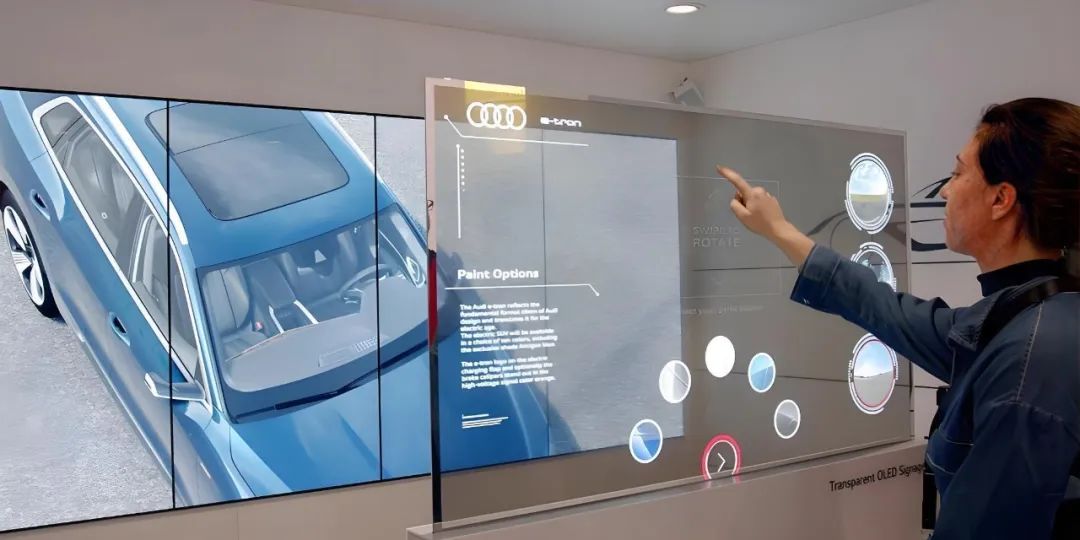
1. ในโลกเทคโนโลยีการแสดงผลหน้าจอ OLED (Organic Light Emitting Diode) ได้กลายเป็นตัวเปลี่ยนแปลงของเกม. ทราบกันว่ามีคุณภาพภาพยอดเยี่ยม การออกแบบแบบเล็กหนึ่งและปริมาณพลังงานเศษสูง จอแสดงผล OLED กำลังทำการปฏิรูปอุตสาหกรรมจากอุปกรณ์ไฟฟ้าส่วนบุคคล ไปจนถึงโฆษณา. ที่ Lynnhan.com ผู้ขายที่คุณเชื่อถือเราอยู่ที่นี่เพื่อชี้แจงว่าจอแสดงผล OLED คืออะไร วิธีที่มันทำงาน และทำไมต่อเรื่องที่มันได้รับการเกี่ยวข้องเป็นอย่างสูง
2. อะไรคือจอแสดงผล OLED?
3. จอแสดงผล OLED คือชนิดหนึ่งของเทคโนโลยีการแสดงผลที่ใช้สารอินทรีย์เพื่อปล่อยแสงเมื่อมีไฟฟ้าไหลผ่าน. ต่างกับจอแสดงผล LED หรือ LCD แบบปกติที่ต้องใช้แสงเทียมเพื่อแสดงหน้าจอ จุดนี้ในจอแสดงผล OLED จะปล่อยแสงเอง. คุณสมบัติเดี่ยวเดียวนี้ทำให้จอแสดงผล OLED สามารถประสบผลที่ดีในสีดำสมบูรณ์ อัตราความเปรียบเทียบที่ไม่จำกัด และสีที่มีชีวาและชาติตา ทำให้มันเป็นที่นิยมสำหรับหน้าจอระดับสูง โทรศัพท์มือถือ และอุปกรณ์ไฟฟ้าอื่นๆ
4. จอแสดงผล OLED ทำงานอย่างไร?
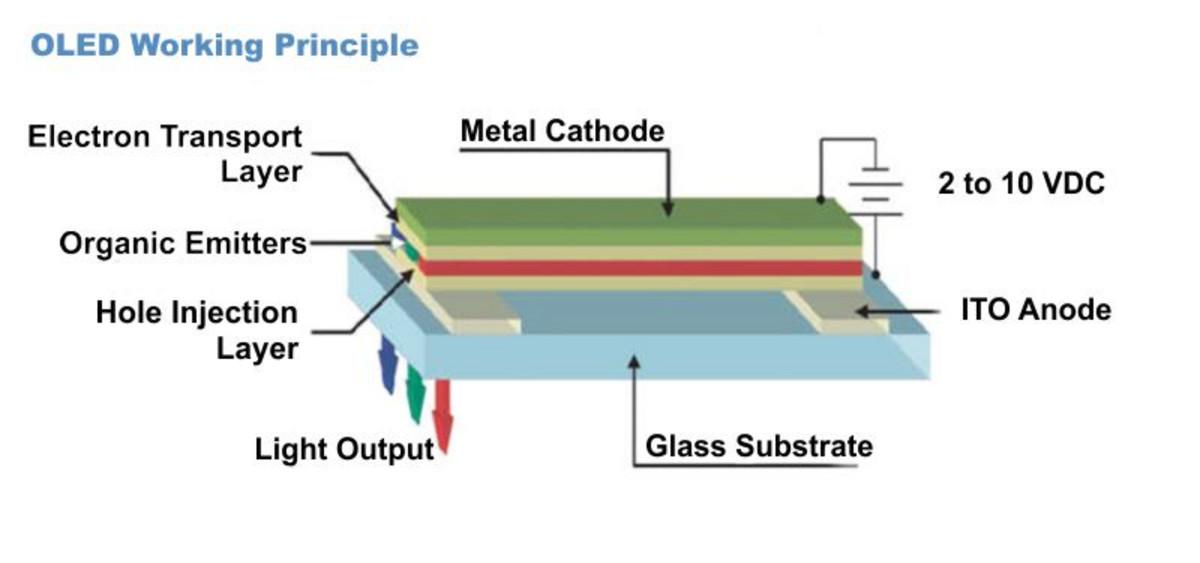
5. จอแสดงผล OLED ประกอบด้วยชั้นเล็กของสารอินทรีย์ที่มีองค์ประกอบเป็นมณฑลและถูกหุ้มระหว่างดอกหลอด (แอนอด์ และแคโทด์). เมื่อมีไฟฟ้าไหลผ่าน สารอินทรีย์จะปล่อยแสง. โครงสร้างพื้นฐานของจอแสดงผล OLED รวมถึง:
- 6. ชั้นพื้น 7. ชั้นพื้นฐานที่ทำจากแก้วหรือพลาสติก ซึ่งสนับสนุนโครงสร้าง OLED.
- 8. แอ A transparent layer that removes electrons when a current is applied.
- Organic Layers: These include the emissive layer (which emits light) and the conductive layer (which transports electrons).
- Cathode: A reflective layer that injects electrons into the organic layers.
When voltage is applied, electrons flow from the cathode to the anode, passing through the organic layers. This process excites the organic molecules, causing them to emit light. By controlling the intensity of the light emitted by each pixel, OLED displays can produce a wide range of colors and shades.
Types of OLED Displays
At Lynnhan.com, we offer a variety of OLED displays to meet different needs. Here are the most common types:
- Passive-Matrix OLED (PMOLED)
PMOLED displays are simpler in design and are typically used in smaller devices like smartwatches and MP3 players. They are cost-effective but have limitations in terms of resolution and screen size. - Active-Matrix OLED (AMOLED)
AMOLED displays are more advanced and are commonly used in smartphones, tablets, and TVs. They use a thin-film transistor (TFT) backplane to control each pixel individually, resulting in higher resolution, faster response times, and better energy efficiency. - Flexible OLED
Flexible OLED displays are made using plastic substrates instead of glass, allowing them to bend or fold. These displays are used in innovative applications like foldable smartphones and curved TVs. - Transparent OLED
Transparent OLED displays allow light to pass through the screen, making them ideal for augmented reality (AR) applications, retail displays, and smart windows. - Top-Emitting OLED
These displays emit light from the top of the structure, making them more efficient and suitable for high-resolution applications like microdisplays.
Benefits of OLED Displays
OLED displays offer several advantages over traditional display technologies like LED and LCD. Here are some of the key benefits:
- Perfect Blacks and Infinite Contrast
Since each pixel emits its own light, OLED displays can completely turn off individual pixels to achieve true blacks. This results in an infinite contrast ratio, providing a more immersive viewing experience. - Wide Viewing Angles
1. จอOLED กำจัดสีและความเข้มของแสงเหมือนกันแม้จะดูจากมุมที่แข็งง่าย ทำให้เหมาะสำหรับการชมกลุ่ม - 2. ออดิเซ่นแบบบางและน้ำหนักน้อย
3. จอOLED ไม่ต้องการแสงตรง ทำให้สามารถบางและน้ำหนักน้อยอย่างมาก ทำให้เหมาะสำหรับอุปกรณ์สมมุติภาพที่มีลักษณะสมมุติภาพและสมานมาตรฐาน - Energy Efficiency
4. จอOLED ใช้พลังงานน้อย โดยเฉพาะเมื่อแสดงเนื้อหาที่มืด เพราะพิกเซลสามารถปิดได้ทั้งหมด - 5. ระยะเวลาตอบสนองเร็ว
6. จอOLED มีระยะเวลาตอบสนองเร็วกว่า LCD ทำให้ลดเงาที่เคลื่อนไหว และเหมาะสำหรับการเล่นเกมและเนื้อหาที่มีความเร็วสูง - 7. สีที่มีประกาย
8. จอOLED มีกว้างสีแพร่หลายมากขึ้น ทำให้สร้างภาพที่มีประกายและเหมือนจริง
9. การใช้งานของจอOLED
10. จอOLED ถูกใช้ในอุตสาหกรรมหลากหลายเนื่องจากการประสบความสำเร็จและอัตราการทนทานที่สูง นี่คือบางส่วนของการใช้งานที่เกิดขึ้นมากที่สุด:
- กำลังได้รับการติดตามตลาด 11. จอOLED ถูกใช้กันอย่างกว้างขวางในโทรศัพท์มือถือ ตั้งโทรศัพท์ คอมพิวเตอร์พกพาและหนังสือเล็ก โดยมีภาพที่ประทับใจและการออกแบบที่สมมุติภาพ
- 12. อุปกรณ์สมมุติภาพที่สามารถใส่ที่ไหนก็ได้: 13. นาฬิกาดูแลสุขภาพและตัวติดตามสุขภาพใช้จอOLED เพื่อประสิทธิภาพในการใช้พลังงานและความยืดหย่อง
- 14. อุปกรณ์ยานยนต์: 15. จอOLED ถูกใช้ในแผงคุมยานยนต์ ระบบบันเทิงข่าวและหน้าจอบันเทิงข้างหลังที่นั่ง
- 2. การโฆษณา Digital signage and retail displays benefit from OLED’s vibrant colors and thin design.
- Medical Devices: OLED displays are used in medical imaging and diagnostic equipment due to their high resolution and accuracy.
- Augmented Reality (AR): Transparent OLED displays are ideal for AR applications, providing a seamless blend of digital and real-world content.
OLED vs. LED/LCD Displays
While OLED displays offer many advantages, it’s important to understand how they compare to traditional LED and LCD displays:
- Black Levels: OLED displays can achieve perfect blacks, while LED/LCD displays rely on backlighting, which can cause light bleed.
- Viewing Angles: OLED displays maintain consistent colors at wide angles, whereas LED/LCD displays may experience color shifting.
- Thickness: OLED displays are thinner and lighter due to the lack of a backlight.
- Lifespan: LED/LCD displays generally have a longer lifespan, as OLED displays can experience burn-in over time.
- ราคา: OLED จะแพงกว่าจอแสงLED/LCD อย่างไรก็ตามราคากำลังลดลงเรื่อยๆ
ทำไมคุณควรเลือก Lynnhan.com สำหรับความต้องการจอOLED ของคุณ?
ที่ Lynnhan.com เรามุ่งมั่นที่จะให้จอOLED คุณภาพสูงที่ปรับปรุงตามความต้องการของลูกค้าของเรา นี่คือเหตุผลที่ทำไมคุณควรเลือกเรา:
- 15. ความหลากหลายของสินค้า เรามีความเลือกหลากหลายของจอOLED ที่มีความยอมรับและที่สามารถเปิดใช้งานได้ตามความต้องการ
- 17. คุณภาพสูงสุด 18. สินค้าของเรามาจากผู้ผลิตที่มีชื่อเสียงและผ่านการตรวจสอบคุณภาพอย่างฉับพลัน
- 19. การสนับสนุนที่เป็นผู้เชี่ยวชาญ 20. ทีมเจ้าหน้าที่ของเราเสมอเปิดให้ความช่วยเหลือคุณในการเลือกจอที่เหมาะสมกับการใช้งานของคุณ
- 21. ราคาคอมเพ็ททิฟ 22. เราให้แนะนำแก้ไขที่มีราคาที่เห
- Global Shipping: No matter where you are, we deliver our products worldwide.
สรุป
จอOLED แสดงให้เห็นระดับสูงสุดของเทคโนโลยีจอ ที่ให้คุณภาพภาพแสดงที่ไม่เทียบทาย ประสิทธิภาพด้านพลังงานและความยอมรับในการออกแบบ ไม่ว่าคุณกำลังมองหาจอโทรทัศน์ระดับสูง มือถือที่มีเทคโนโลยีสมัยใหม่ หรือแนวทางการโฆษณาที่น่าทึ่ง OLED จอจะมีการเสนอการทำงานที่ยอดเยี่ยม
ตัวเลือกชุดของเราในวันนี้และหาจอOLED ที่เหมาะสมกับความต้องการของคุณ
For more information or to place an order, visit Lynnhan.comอยู่ที่เราจะช่วยคุณประสบการณ์อนาคตของเทคโนโลยีจอด้วยOLED!