
Lynnhan – Trusted Supplier | LED/OLED/LCD/E-paper digital signages
Lynnhan – Trusted Supplier | LED/OLED/LCD/E-paper digital signages
Lynnhan – Trusted Supplier | LED/OLED/LCD/E-paper digital signages
Lynnhan – Trusted Supplier | LED/OLED/LCD/E-paper digital signages
3D LED 广告牌的兴起:它们如何改变户外广告
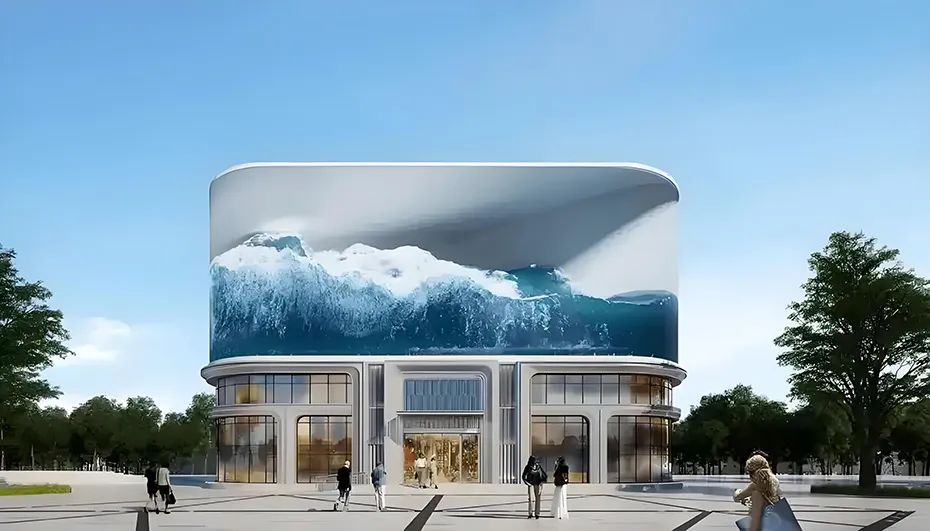
In recent years, 3D LED billboard have taken the advertising world by storm, captivating audiences with their stunning visuals and immersive experiences. From Times Square in New York to Shibuya Crossing in Tokyo, these larger-than-life displays are redefining how brands communicate with their audiences. But what makes 3D LED billboards so popular, and why are they becoming a must-have for modern advertisers? In this post, we’ll explore the most popular topic in the 3D billboard space: how they’re transforming outdoor advertising, the technology behind them, and what the future holds.
What Are 3D LED Billboards?
3D LED billboards are advanced digital displays that use cutting-edge technology to create the illusion of depth, making images and animations appear to leap off the screen. Unlike traditional 2D billboards, these displays use a combination of high-resolution LEDs, clever content design, and sometimes specialized hardware to deliver a more engaging and immersive experience.
There are two main types of 3D LED billboards:
- True 3D Billboards: These use hardware like lenticular lenses or parallax barriers to create a stereoscopic effect, delivering different images to each eye for a genuine 3D experience.
- 3D Illusion Billboards: These are 2D LED walls that use creative content design—such as parallax effects, perspective shifts, and motion graphics—to trick the brain into perceiving depth.
While true 3D billboards are rare due to their complexity and cost, 3D illusion billboards have become the go-to solution for brands looking to make a big impact.
Why Are 3D LED Billboards So Popular?
1. Unmatched Visual Impact
3D LED billboards grab attention like no other medium. Their dynamic, lifelike visuals stand out in crowded urban environments, making them impossible to ignore. For example, a 3D billboard in Seoul featuring a giant cat seemingly jumping out of the screen went viral, showcasing the power of this technology.
2. Enhanced Engagement
By creating an immersive experience, 3D billboards encourage viewers to stop, watch, and even interact with the content. This level of engagement is invaluable for brands looking to leave a lasting impression.
3. Versatility
3D LED billboards can be used for a wide range of applications, from advertising products and services to promoting events and public service announcements. Their flexibility makes them a valuable tool for marketers across industries.
4. Social Media Amplification
The wow factor of 3D billboards often leads to organic social media sharing. When people see something extraordinary, they’re likely to capture and share it online, giving brands additional exposure beyond the physical location.
How 3D LED Billboards Are Transforming Outdoor Advertising
1. Redefining Brand Storytelling
3D billboards allow brands to tell stories in a way that’s visually compelling and emotionally resonant. For example, a car manufacturer can use a 3D billboard to showcase a vehicle driving through a virtual landscape, creating a sense of adventure and excitement.
1. 2. ǂǘǐǘǐǘǐǘǑǑǐǘǑǑǐǘǐǑǑǐǘǑǑǐǘǑǑǐǘǑǑǐǘǑǑǐǘǑǑǐǘǑǑǐǘǑǑǐǘǑǑǐǘǑǑǐǘǑǑǐǘǑǑǐǘǑǑǐǘǑǑǐǘǑǑǐǘǑǑǐǘǑǑǐǘǑǑǐǘǑǑǐǘǑǑǐǘǑǑǐǘǑǑǐǘǑǑǐǘǑǑǐǘǑǑǐǘǑǑǐǘǑǑǐǘǑǑǐǘǑǑǐǘǑǑǐǘǑǑǐǘǑǑǐǘǑǑǐǘǑǑǐǘǑǑǐǘǑǑǐǘǑǑǐǘǑǑǐǘǑǑǐǘǑǑǐǘǑǑǐǘǑǑǐǘǑǑǐǘǑǑǐǘǑǑǐǘǑǑǐǘǑǑǐǘǑǑǐǘǑǑǐǘǑǑǐǘǑǑǐǘǑǑǐǘǑǑǐǘǑǑǐǘǑǑǐǘǑǑǐǘǑǑǐǘǑǑǐǘǑǑǐǘǑǑǐǘǑǑǐǘǑǑǐǘǑǑǐǘǑǑǐǘǑǑǐǘǑǑǐǘǑǑǐǘǑǑǐǘǑǑǐǘǑǑǐǘǑǑǐǘǑǑǐǘǑǑǐǘǑǑǐǘǑǑǐǘǑǑǐǘǑǑǐǘǑǑǐǘǑǑǐǘǑǑǐǘǑǑǐǘǑǑǐǘǑǑǐǘǑǑǐǘǑǑǐǘǑǑǐǘǑǑǐǘǑǑǐǘǑǑǐǘǑǑǐǘǑǑǐǘǑǑǐǘǑǑǐǘǑǑǐǘǑǑǐǘǑǑǐǘǑǑǐǘǑǑǐǘǑǑǐǘǑǑǐǘǑǑǐǘǑǑǐǘǑǑǐǘǑǑǐǘǑǑǐǘǑǑǐǘǑǑǐǘǑǑǐǘǑǑǐǘǑǑǐǘǑǑǐǘǑǑǐǘǑǑǐǘǑǑǐǘǑǑǐǘǑǑǐǘǑǑǐǘǑǑǐǘǑǑǐǘǑǑǐǘǑǑǐǘǑǑǐǘǑǑǐ
Unlike traditional billboards, which are often ignored, 3D LED displays create memorable experiences that stick with viewers long after they’ve passed by. This emotional connection can drive brand loyalty and recall.
3. Boosting Local Economies
3D billboards are often installed in high-traffic areas, attracting tourists and locals alike. This increased foot traffic can benefit nearby businesses, making 3D billboards a win-win for advertisers and communities.
4. Driving Innovation in Advertising
The success of 3D billboards is pushing the advertising industry to innovate further. Brands are now experimenting with interactive displays, augmented reality (AR) integrations, and even AI-powered content to create even more engaging experiences.
The Technology Behind 3D LED Billboards
1. High-Resolution LEDs
The foundation of any 3D billboard is a high-resolution LED display. These displays use thousands of tiny LEDs to create sharp, vibrant images that look stunning even from a distance.
2. Content Design
The magic of 3D illusion billboards lies in the content. Designers use techniques like parallax scrolling, perspective shiftsDurability & Maintenance motion graphics to create the illusion of depth. Advanced software tools allow for precise control over how the content interacts with the display.
3. Specialized Hardware (for True 3D)
True 3D billboards require additional hardware, such as lenticular lenses or parallax barriers, to create a stereoscopic effect. While this technology is impressive, it’s also more expensive and complex to implement.
4. Integration with Other Technologies
Some 3D billboards are now integrating with AR Blogs & Industry News AI 1. қушилдик таризларни түзиш. Мисалга, күрсӣ қарашаси қарақчӣ танушилдиқни истифода оlish олид, қарақчӣ кунҷи махсус хабарларни кунҷиларга кӯрсатishi мумкин.
2. 3D LED күрсӣ қарақчаларining геҷҷеҳи иқтисодии ҳамагон.
3. 3D LED күрсӣ қарақчаларining геҷҷеҳи иқтисодии ҳамагон байрақ, қоратқонӣ түрҳои иқтисодии зерин тез истифода олишда.
4. 1. Қувватlantуи иқтисодии қувватlantуи иқтисодии қувватlantуи иқтисодии қувватlantуи иқтисодии қувватlantуи иқтисодии қувватlantуи иқтисодии қувватlantуи иқтисодии қувватlantуи иқтисодии қувватlantуи иқтисодии қувватlantуи иқтисодии қувватlantуи иқтисодии қувватlantуи иқтисодии қувватlantуи иқтисодии қувватlantуи иқтисодии қувватlantуи иқтисодии қувватlantуи иқтисодии қувватlantуи иқтисодии қувватlantуи иқтисодии қувватlantуи иқтисодии қувватlantуи иқтисодии қувватlantуи иқтисодии қувватlantуи иқтисодии қувватlantуи иқтисодии қувватlantуи иқтисодии қувватlantуи иқтисодии қувватlantуи иқтисодии қувватlantуи иқтисодии қувватlantуи иқтисодии қувватlantуи иқтисодии қувватlantуи иқтисодии қувватlantуи иқтисодии қувватlantуи иқтисодии қувватlantуи иқтисодии қувватlantуи иқтисодии қувватlantуи иқтисодии қувватlantуи иқтисодии қувватlantуи иқтисодии қувватlantуи иқтисодии қувватlantуи иқтисодии қувватlantуи иқтисодии қувватlantуи иқтисодии қувватlantуи иқтисодии қувватlantуи иқтисодии қувватlantуи иқтисодии қувватlantуи иқтисодии қувватlantуи иқтисодии қувватlantуи иқтисодии қувватlantуи иқтисодии қувватlantуи иқтисодии қувватlantуи иқтисодии қувватlantуи иқтисодии қувватlantуи иқ
Future billboards may incorporate touchscreens, gesture recognition, and other interactive elements to engage viewers in new ways.
2. AI-Powered Content
AI can analyze real-time data—such as weather, traffic, and audience demographics—to dynamically adjust the content displayed on a billboard, making it more relevant and impactful.
3. Sustainability
As the world becomes more eco-conscious, we can expect to see more energy-efficient LED displays and the use of recyclable materials in billboard construction.
4. Expansion into New Markets
While 3D billboards are currently popular in major cities, they’re likely to expand into smaller markets as the technology becomes more affordable and accessible.
Conclusion
3D LED billboards are more than just a trend—they’re a game-changer for the advertising industry. By combining cutting-edge technology with creative content design, these displays are transforming how brands connect with their audiences. Whether it’s through a true 3D experience or a captivating 3D illusion, 3D billboards offer unparalleled visual impact and engagement.
æt LynnHan.com, we’re at the forefront of this revolution, helping brands create unforgettable advertising experiences with our state-of-the-art 3D LED displays. Ready to take your advertising to the next level? Contact us today to learn more!