
Lynnhan – විශ්වන්තික සපයන්නා | LED/OLED/LCD/E-paper ඩිගියල් සෙවින්
Lynnhan – විශ්වන්තික සපයන්නා | LED/OLED/LCD/E-paper ඩිගියල් සෙවින්
Lynnhan – විශ්වන්තික සපයන්නා | LED/OLED/LCD/E-paper ඩිගියල් සෙවින්
Lynnhan – විශ්වන්තික සපයන්නා | LED/OLED/LCD/E-paper ඩිගියල් සෙවින්
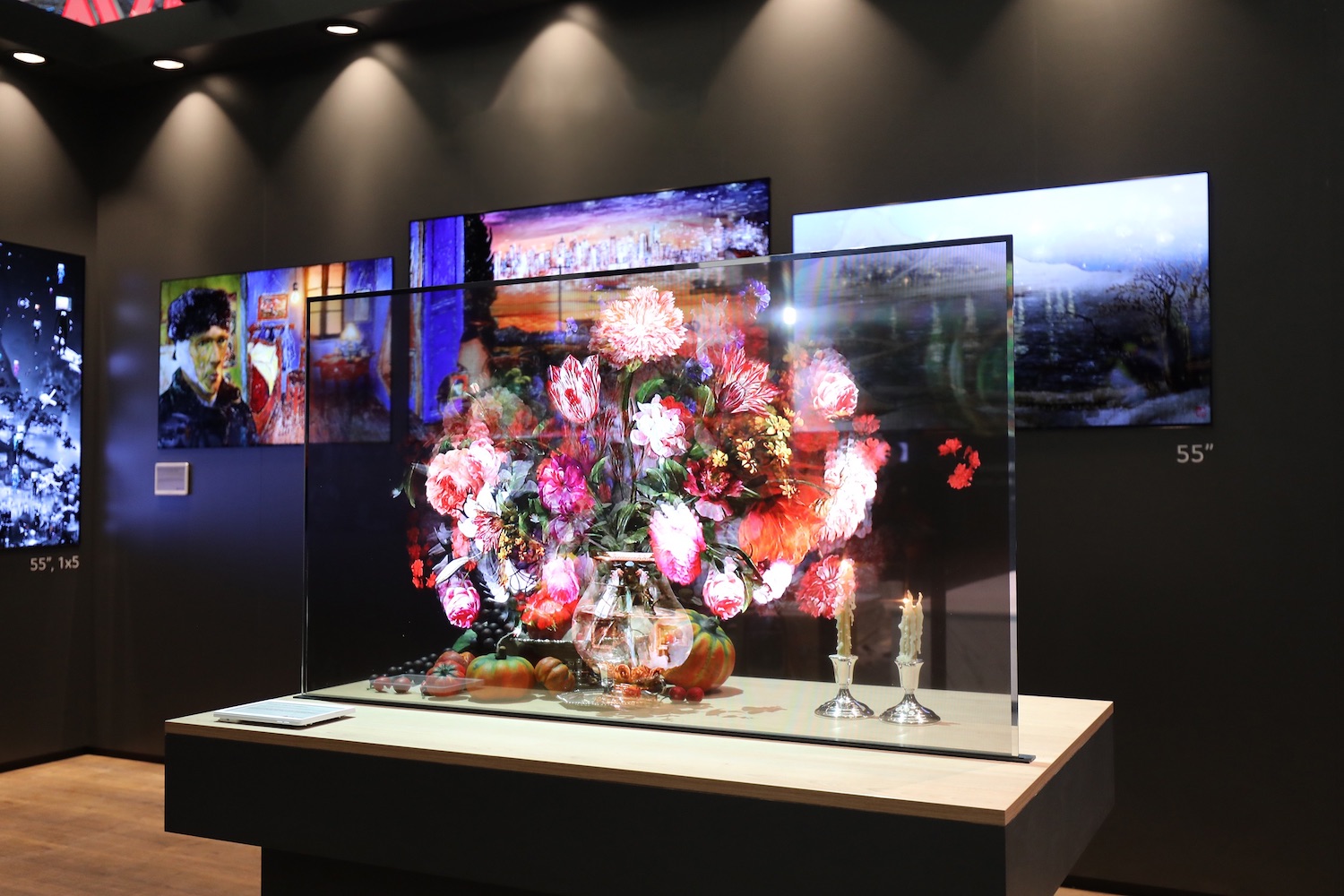
OLED Displays in Museums: Elevate Art & Visitor Engagement
1. โรงงานพิพิธภัณฑ์ไม่ได้เพียงเป็นที่เก็บรักษาประวัติศาสตร์และศิลปะต่อไปอีกแล้ว—พวกเขากำลังพัฒนาเป็น 2. พื้นที่ที่มีประสาทสนทานและบรรยากาศที่ฝันฝน 3. ที่ทำให้ผู้มาเยี่ยมชมติดตายด้วยเทคโนโลยีที่ครบครัน 4. การใช้หน้าจอ OLED (Organic Light Emitting Diode)5. ก็เป็นหนึ่งในนวัตกรรมที่มีผลกระทบมากที่สุด
6. ในบทความนี้ เราจะสอบสวน 7. ประโยชน์ของหน้าจอ OLED ในโรงพิพิธภัณฑ์8. รวมถึงประโยชน์ของพวกเขาและแนวทางที่พวกเขากำลังสร้างสรรค์อนาคตของพื้นที่ทางวัฒนธรรมและการศึกษา
9. ทำไมหน้าจอ OLED จึงเหมาะสำหรับโรงพิพิธภัณฑ์
10. เทคโนโลยี OLED ได้ทำการปฏิรูปอุตสาหกรรมการแสดงภาพ โดยเสนอ 11. คุณภาพภาพฉากที่ดีกว่า ความยอมรับและประสิทธิภาพด้านพลังงาน12. ไม่เหมือนหน้าจอ LED หรือ LCD ที่เป็นที่รู้จัก หน้าจอ OLED ส่งออกแสงด้วยตัวเอง ทำให้ไม่จำเป็นต้องใช้แรงงานแสง 13. ทำให้สีดำมีความลึกลงมากยิ่งขึ้น สีที่มีชีวิตและการออกแบบที่แบบแบนท์.
14. นี่คือเหตุผลที่ทำให้หน้าจอ OLED มีความเหมาะสมกับโรงพิพิธภัณฑ์:
- 15. คุณภาพภาพฉากที่ไม่เทียบเท่า16. : หน้าจอ OLED ส่งให้เห็น 17. สีดำที่แท้จริง อัตราสัมพัทธ์ของความเปี่ยมปริมาณที่ไม่จำกัด และมุมมองที่กว้าง18. ทำให้แน่ใจว่ารายละเอียดทุกตัวของงานศิลปะหรือวัตถุโบราณถูกแสดงด้วยความชัดเจ
- Flexibility: OLED panels can be made ultra-thin, flexible, and even transparent, allowing museums to create unique and innovative displays.
- Energy Efficiency: OLED screens consume less power than traditional displays, making them a sustainable choice for museums.
- Durability: With no backlight and fewer components, OLED screens are more durable and longer-lasting than other display technologies.
- Design Freedom: OLED screens can be curved, folded, or even rolled, enabling museums to create custom-shaped displays that blend seamlessly with their architecture.
1. OLED තිර වල කෞතුකාගාරවල උපකාරීතා
2. 1. චිත්ර හා විදේශික ප්රදර්ශනයන් වැඩිදියුණු කිරීම
3. කෞතුකාගාරවල OLED තිර වල වඩාත් ආකර්ෂණීය භාවිතයක් වන්නේ 4. චිත්ර හා විදේශික ප්රදර්ශනයන් වැඩිදියුණු කිරීම5. . සාමාන්ය ලෝකකළු පාදම් හා ස්ථාවර ප්රදර්ශනයන් බොහෝවිට ප්රදර්ශනවල සම්පූර්ණ වර්ණ සහ අන්තර්ගතභාවය ලබා ගන්නේ නැත. OLED තිර, ඔස්ටික්රමාණික වර්ණ හා ප්රමුඛව හිමිකම් සහිත, මෙම ප්රදර්ශනයන් සජීවී කරයි. 6. දැන්නැග්ම චිත්ර7. : කෞතුකාගාර, OLED තිර භාවිතා කරා ප්රමුඛ වර්ණ සහ වර්ණ විචිත්රතාව සමඟ ඩිජල් චිත්ර එකතුවන් ප්රදර්ශනය කළ හැක.
- 8. ඉහළ ප්රවාහනය9. : පැමිණෙන සංචාරකයන්, OLED තිර බලාපොරොත්තුවා හිමිකම් බාවි digital art collections with unparalleled color accuracy and contrast.
- High-Resolution Zoom: Visitors can explore the finest details of an artifact or painting by zooming in on high-resolution images displayed on OLED screens.
- Dynamic Lighting: OLED screens can simulate natural lighting conditions, allowing museums to display artworks as they were originally intended to be seen.
2. Immersive Environments
OLED screens are perfect for creating immersive environments that transport visitors to different worlds and eras.
- Curved and Flexible Displays: OLED screens can be bent or curved to create 360-degree immersive experiences. For example, a history museum could recreate an ancient battlefield, complete with lifelike visuals and soundscapes.
- Transparent OLEDs: Transparent OLED screens can be used to create holographic displays 1. ස්ත්රී ප්රදර්ශනවලට ඩිජියටල තොරතුරු එක්රැස් කිරීම, අන්තර්ක්රියාකාරී මට්ටමක් හා අඩුම්පාදිතභාවයක් එක්දැක්වීම.
2. 3. අන්තර්ක්රියාකාරී කතා පවත්වාදීම
3. OLED තිර අවස්ථාව 4. අන්තර්ක්රියාකාරී කතා පවත්වාදීම5. , කෞතුකාගාර සැලසුම් වලට යාම් අන්තර්ක්රියාකාරී සහ උග්රීය වේ.
- 6. ප්රහේලයාරු ප්රදර්ශන7. : OLED ප්රහේලයාරුවලින් සොයාගැනීම, අන්තර්ක්රියාකාරී සංගෝනවක්, අඩුම්පාදිතභාවයක් දැක්වීම. 8. අන්තර්ක්රියාකාරී කාලගුණය, මිතුරුකරු ප්රදර්ශන, හා අන්තර්ක්රියාකාරී චිත්රයන් 9. සිය හැකි වේගයෙන්.
- 10. අර්ධක්රියාකාරී ප්රතිදානය (AR)11. : OLED තිර අර්ධක්රියාකාරී තාක්ෂණය සමඟ එක්රැස් වීම, ස්ත්රී ප්රදර්ශ digital information onto physical exhibits. For instance, pointing a smartphone at a dinosaur skeleton could reveal a 3D animation of how the dinosaur moved.
- Gamification: Museums can use OLED screens to create educational games and quizzes, making learning fun for visitors of all ages.
4. Dynamic Wayfinding and Information Displays
Navigating large museums can be challenging for visitors. OLED screens can serve as dynamic wayfinding tools, helping guests find their way around with ease.
- Interactive Maps: Large-format OLED screens can display interactive maps that highlight key exhibits, amenities, and events.
- Real-Time Updates: OLED screens can provide real-time information about exhibit schedules, guided tours, and special events.
- Multilingual Support1. : OLED තිර ලියුම්කාරයන් තුලින් තිරවීමට ඉතාමත් ආකෘතියක් ඇත. 2. බොහෝ භාෂාවන්3. , මුහුදුදැල්ල් සංගම් ජාතික අමුත්යන්ඩකයන්ට ප්රවේශයට ලක් වේ.
4. 5. අවස්ථානිවාදී හා වේගවත් ප්රදර්ශන
5. සමුද්රියන් බොහෝවිට 6. අවස්ථානිවාදී ප්රදර්ශන 7. යටතේ නිර්දේශය වන අතර, OLED තිර යනු නව අනුපාත සඳහා පහසුවෙන් නැවත ප්රතිසංස්කරණය කළ හැක.
- 8. ඩිජලල් ගැලරි9. : සිතුවැල් ප්රවාහනය සහ ප්රදේශනය ස්ථානගත වීමෙන් මුහුදුදැල්ල් යනු ඩිජලල් ගැලරි 10. ප්රදර්ශනය කළ හැක, එය සඳහා සකස් කිරීමට සුළු පහරක් පමණය. 11. වේ.
- 12. අප්රසාදාත්මක විස්තර13. : OLED තිර යනු භූමික ද්රව්ය අවශ්යතාවය ඉවත් කරන අතර, වියදම් සහ පාරිසරික බලපෑම් අඩු වේ.
14. 6. අධ්
As museums strive to become more sustainable, OLED screens offer an eco-friendly alternative to traditional displays.
- 14. අඩු රැකියාව: OLED screens consume significantly less energy than traditional lighting and display systems.
- Long Lifespan: With a lifespan of up to 100,000 hours, OLED screens reduce the need for frequent replacements, minimizing waste.
- Recyclable Materials: Many OLED screens are made from recyclable materials, further reducing their environmental impact.
7. Accessibility and Inclusivity
OLED screens can make museums more accessible and inclusive for all visitors, including those with disabilities.
- Audio Descriptions: OLED screens can display text and audio descriptions for visually impaired visitors.
- Sign Language Videos: Museums can use OLED screens to show sign language videos, making exhibits accessible to hearing-impaired visitors.
- Adjustable Brightness: OLED screens can be adjusted to suit the needs of visitors with light sensitivity.
How to Choose the Right OLED Screens for Your Museum
When selecting OLED screens for your museum, consider the following factors:
- Resolution: Choose screens with 4K or 8K resolution for the best visual quality.
- ආකාර: Opt for screens with high brightness levels to ensure visibility in well-lit environments.
- Flexibility: Look for screens that can be customized into unique shapes and configurations.
- Interactivity: Consider touchscreen or motion-sensing capabilities for interactive exhibits.
- Durability: Ensure the screens are built to withstand heavy usage and environmental factors.
Conclusion: The Future of Museums is OLED
OLED screens are transforming museums into 2. พื้นที่ที่มีประสาทสนทานและบรรยากาศที่ฝันฝน that captivate and educate visitors like never before. From enhancing exhibits to creating fully immersive environments, the possibilities are endless.
ที่ ලින්නාන, เราเชี่ยวชาญในการให้ cutting-edge OLED solutions tailored to the unique needs of museums. Whether you’re looking to create a stunning digital art display or an interactive wayfinding system, we’re here to help you bring your vision to life.