
Lynnhan – විශ්වන්තික සපයන්නා | LED/OLED/LCD/E-paper ඩිගියල් සෙවින්
Lynnhan – විශ්වන්තික සපයන්නා | LED/OLED/LCD/E-paper ඩිගියල් සෙවින්
Lynnhan – විශ්වන්තික සපයන්නා | LED/OLED/LCD/E-paper ඩිගියල් සෙවින්
Lynnhan – විශ්වන්තික සපයන්නා | LED/OLED/LCD/E-paper ඩිගියල් සෙවින්
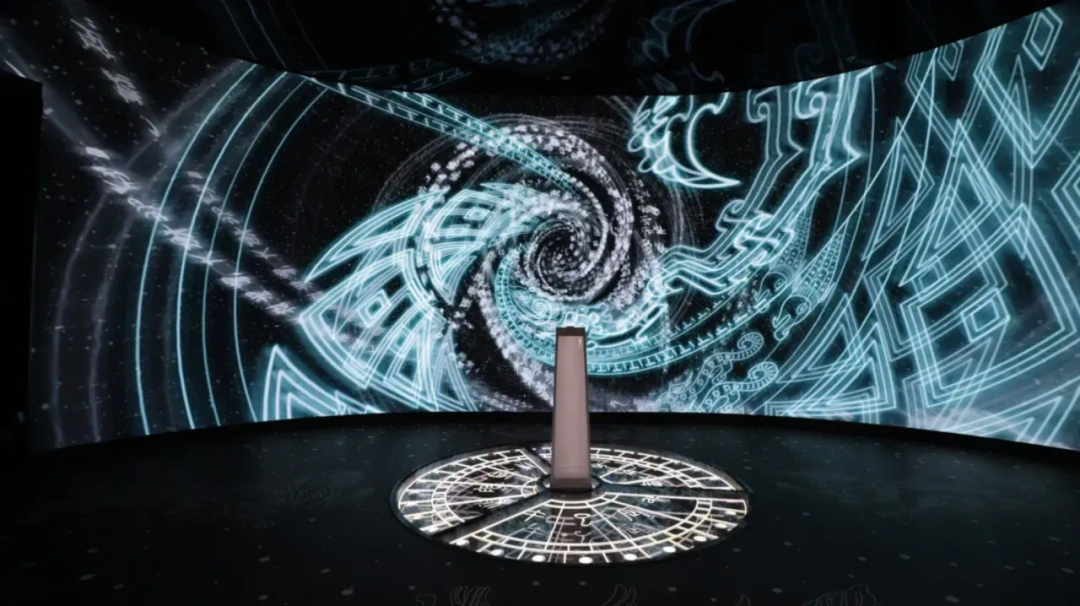
LED Screens in Museums: Revolutionizing Visitor Experiences
1. โรงงานแสดงประวัติศาสตร์ ศิลปะ และวัฒนธรรม ได้เป็นผู้รักษาตัวตนมาเป็นระยะเวลานานโดยที่ ผู้มาเยี่ยมชมในยุคดิจิตอลของวันนี้ หวังมากกว่าแสดงด้วยรูปฝายและกระจกแล้ว 2. การประสบการณ์ที่มีส่วนส่วนเปิดเผย ที่มีประสบการณ์ที่มีความฝันฝึกและมีความสนใจ3. นี่ที่ 4. จอแสง LED 5. มีบทบาท. ด้วยความแข็งแกร่งของมัน ภาพที่มีประกายและเทคโนโลยีที่สำคัญ จอแสง LED กำลังเปลี่ยนแปลงวิธีที่โรงงานแสดงประวัติศาสตร์ปฏิบัติงานและประสบการณ์กับผู้ชมของพวกเขา
6. ในบทความนี้ เราจะสอบสวน 6. สิ่งที่น่าสนใจที่สุดของจอแสง LED ในโรงงานแสดงประวัติศาสตร์8. รวมถึงประโยชน์ของพวกเขาและแนวทางที่พวกเขากำลังสร้างสรรค์อนาคตของพื้นที่ทางวัฒนธรรมและการศึกษา
7. ทำไม้จอแสง LED จะเป็นการเปลี่ยนแปลงปริมาณใหม่สำหรับโรงงานแสดงประวัติศาสตร์
8. LED (Light Emitting Diode) จอแสงที่เป็นหลักฐานของเทคโนโลยีการแสดงในยุคปัจจุบัน. คุณสมบัติของมันที่ 9. สว่างและปริมาณพลังงานที่มีประสิทธิภาพและความยืดหย่อง 10. ทำให้มันเหมาะสำหรับบริการที่หลากหลาย จากการขายสินค้าถึงสนามกีฬา. แต่โรงงานแสดงประวัติศาสตร์ โดยเฉพาะอย่างยิ่ง กำลังหาวิธีที่น่าน่าสนใจเพื่อใช้เทคโนโลยี LED ในการปรับปรุงประสบการณ์ของผู้มาเยี่ยมชม
11. นี่คือเหตุผลที่ทำให้จอแสง LED สูตรแน่นอนสำหรับโรงงานแสดงประวัติศาสตร์:
- 12. คุณภาพภาพที่สูง13. : จอแสง LED มี 14. 4K และแม้แต่ 8K ความละเอียด18. ทำให้แน่ใจว่ารายละเอียดทุกตัวของงานศิลปะหรือวัตถุโบราณถูกแสดงด้วยความชัดเจ
- 15. ขนาดและรูปร่างที่ส: LED panels can be configured into curved walls, cylindrical displays, or even ceilings, allowing museums to create unique and immersive environments.
- Energy Efficiency: Modern LED screens consume significantly less power than traditional displays, aligning with the growing demand for sustainable solutions.
- Durability: LED screens are built to last, with a lifespan of up to 100,000 hours, making them a cost-effective long-term investment.
- Interactivity: Touchscreen and motion-sensing LED displays enable interactive experiences, making learning more engaging for visitors.
Top Applications of LED Screens in Museums
1. Enhanced Exhibits and Digital Art Displays
One of the most common uses of LED screens in museums is to enhance exhibits. Traditional displays often struggle to convey the full depth and detail of artifacts or artworks. LED screens, on the other hand, can showcase 1. ���ོང་རྒྱས་ཚོད་སྐོར་གང་གིས་ཚོད་སྐོར་གནས་ཁྱོད་སྐོར་དང་བརྡུད་སྐོར་དང་བརྡུད་སྐོར་གང་གི་རིམ་བཞིན་སྣོད་བཟང་བ་སྐོར་བཟང་བ་བཟང་བ་སྐོར་བཟང་བ་སྐོར་བཟང་བ་སྐོར་བཟང་བ་སྐོར་བཟང་བ་སྐོར་བཟང་བ་སྐོར་བཟང་བ་སྐོར་བཟང་བ་སྐོར་བཟང་བ་སྐོར་བཟང་བ་སྐོར་བཟང་བ་སྐོར་བཟང་བ་སྐོར་བཟང་བ་སྐོར་བཟང་བ་སྐོར་བཟང་བ་སྐོར་བཟང་བ་སྐོར་བཟང་བ་སྐོར་བཟང་བ་སྐོར་བཟང་བ་སྐོར་བཟང་བ་སྐོར་བཟང་བ་སྐོར་བཟང་བ་སྐོར་བཟང་བ་སྐོར་བཟང་བ་སྐོར་བཟང་བ་སྐོར་བཟང་བ་སྐོར་བཟང་བ་སྐོར་བཟང་བ་སྐོར་བཟང་བ་སྐོར་བཟང་བ་སྐོར་བཟང་བ་སྐོར་བཟང་བ་སྐོར་བཟང་བ་སྐོར་བཟང་བ་སྐོར་ that bring exhibits to life.
For example:
- 8. ඉහළ ප්රවාහනය: Museums can display digital art collections with vibrant colors and dynamic visuals that are impossible to achieve with traditional canvases.
- Historical Reenactments: LED screens can show animated recreations of historical events, giving visitors a deeper understanding of the past.
- Zoomable Displays: Visitors can explore intricate details of artifacts by zooming in on high-resolution images displayed on LED screens.
2. Immersive Environments
Imagine stepping into a museum and being transported to an ancient civilization, a futuristic city, or even outer space. LED screens make this possible by creating fully immersive environments.
- LED Walls and Ceilings: By covering entire walls or ceilings with LED panels, museums can create 360-degree immersive experiences. For instance, a natural history museum could recreate a prehistoric jungle, complete with lifelike visuals and soundscapes.
- Virtual Reality (VR) Integration: LED screens can be combined with VR technology to create interactive, multi-sensory experiences that captivate visitors.
2. 3. අන්තර්ක්රියාකාරී කතා පවත්වාදීම
Gone are the days when museums relied solely on placards and audio guides to tell stories. LED screens enable 4. අන්තර්ක්රියාකාරී කතා පවත්වාදීම, allowing visitors to engage with content in a more meaningful way.
- 6. ප්රහේලයාරු ප්රදර්ශන: Visitors can explore 8. අන්තර්ක්රියාකාරී කාලගුණය, මිතුරුකරු ප්රදර්ශන, හා අන්තර්ක්රියාකාරී චිත්රයන් 9. සිය හැකි වේගයෙන්.
- 10. අර්ධක්රියාකාරී ප්රතිදානය (AR): LED screens can be used in conjunction with AR apps to overlay digital information onto physical exhibits. For example, pointing a smartphone at a dinosaur skeleton could reveal a 3D animation of how the dinosaur moved.
- Gamification: Museums can use LED screens to create educational games and quizzes, making learning fun for visitors of all ages.
4. Dynamic Wayfinding and Information Displays
Navigating large museums can be challenging for visitors. LED screens can serve as dynamic wayfinding tools, helping guests find their way around with ease.
- Interactive Maps: Large-format LED screens can display interactive maps that highlight key exhibits, amenities, and events.
- Real-Time Updates: LED screens can provide real-time information about exhibit schedules, guided tours, and special events.
- Multilingual Support: LED screens can display information in 2. බොහෝ භාෂාවන්3. , මුහුදුදැල්ල් සංගම් ජාතික අමුත්යන්ඩකයන්ට ප්රවේශයට ලක් වේ.
4. 5. අවස්ථානිවාදී හා වේගවත් ප්රදර්ශන
5. සමුද්රියන් බොහෝවිට 6. අවස්ථානිවාදී ප්රදර්ශන 1. එයට අනුව, නලුමන්ගේ ප්රදේශයන්ට ආදායම් ලබාගන්නේය.
- 8. ඩිජලල් ගැලරි2. : නිර්මාණාත්මක කලා වැඩසටහන් මුද්රණය සහ පින්තූරවීම් ස්ථාපනයේදී, කෙලින් ස්ථානාත්මක ප්රදේශයන් හෝ 10. ප්රදර්ශනය කළ හැක, එය සඳහා සකස් කිරීමට සුළු පහරක් පමණය. 11. වේ.
- 12. අප්රසාදාත්මක විස්තර3. : LED තිර ප්රතිශක්තික තිර ප්රදේශයන්ට යොදා ගත හැක, අපක්රිය වෙමින් දුර්වලත් වේ.
14. 6. අධ්
4. මුහුණදී සිටින මුහුණක්, ඔවුන්ට ඉන්ධනය ලබාගන්නේය. eco-friendly alternative to traditional displays.
- 14. අඩු රැකියාව5. : LED පාදක රළුමට වඩා අඩු බලයක් භාවිතා කරයි.
- Long Lifespan: With a lifespan of up to 100,000 hours6. , LED පාදක ප්රමාණවත් ප්රථමාර්ථිකයන්ට ප්රතිරෝධය ලබාදේ.
- Recyclable Materials7. : බොහෝ LED පාදක ප්රතික්රියාකාරී ද්රව්යිකරණ වෙමින්, අධික සංස්කෘතික අපක්රියතාවයක් ලබාදේ.
7. Accessibility and Inclusivity
8. LED පාදක සහිත කෙල්ලියන් සඳහා, නවීනත්වය සහිත වනවා. accessible and inclusive for all visitors, including those with disabilities.
- Audio Descriptions9. : LED පාදක ප්රදේශයන් ප්රදේශයන් ප්රදේශයන්ට ප්රදේශයන් ප්රදේශයන් text and audio descriptions for visually impaired visitors.
- Sign Language Videos: Museums can use LED screens to show sign language videos, making exhibits accessible to hearing-impaired visitors.
- Adjustable Brightness: LED screens can be adjusted to suit the needs of visitors with light sensitivity.
Case Studies: LED Screens in Action
1. The Louvre, Paris
The Louvre has embraced LED technology to enhance its exhibits and provide visitors with a more immersive experience. For example, the museum uses large-format LED screens to display high-resolution images of famous artworks, allowing visitors to explore every brushstroke in detail.
2. The Smithsonian, Washington D.C.
The Smithsonian has integrated interactive LED displays into its exhibits, enabling visitors to engage with content in new and exciting ways. For instance, the National Museum of Natural History uses LED screens to create animated recreations of prehistoric ecosystems.
3. The Van Gogh Museum, Amsterdam
The Van Gogh Museum has used LED screens to create immersive digital art installations that bring Van Gogh’s paintings to life. Visitors can step into a 360-degree recreation of “Starry Night”, complete with animated stars and swirling clouds.
How to Choose the Right LED Screens for Your Museum
When selecting LED screens for your museum, consider the following factors:
- Resolution: Choose screens with 4K or 8K resolution for the best visual quality.
- ආකාර: Opt for screens with high brightness levels to ensure visibility in well-lit environments.
- Flexibility: Look for screens that can be customized into unique shapes and configurations.
- Interactivity: Consider touchscreen or motion-sensing capabilities for interactive exhibits.
- Durability: Ensure the screens are built to withstand heavy usage and environmental factors.
Conclusion: The Future of Museums is LED
LED තිර කෞතුකාගාර වලින් 2. พื้นที่ที่มีประสาทสนทานและบรรยากาศที่ฝันฝน that captivate and educate visitors like never before. From enhancing exhibits to creating fully immersive environments, the possibilities are endless.
ที่ ලින්නාන, เราเชี่ยวชาญในการให้ නවජාතික LED ්ලැවිය tailored to the unique needs of museums. Whether you’re looking to create a stunning digital art display or an interactive wayfinding system, we’re here to help you bring your vision to life.