
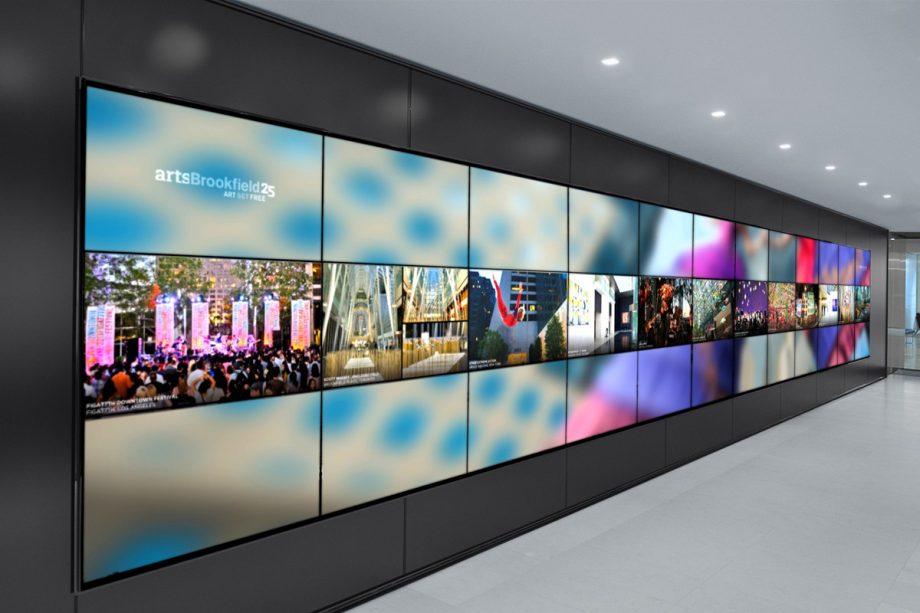
1. ස්ත්රීයකරණයක් සඳහා ඔබගේ ප්රාදේශීය හෝ ලාභින්දායක වූ දර්ශනය තෝරාගැනීමට, OLED, LED, සහ LCD දර්ශනයන් අතර වෙනස්කම් වටහාගත විය යුතුය. එම විශේෂිත තත්වයන් ප්රතිපලයන්, දර්ශන ගුණාත්මකය, යම්වැනියින් බලපත්පන් වන්නේ, ජනන්දය, සහ දර්ශනයේ දිගුකාලීන තත්වය. මෙම සම්පූර්ණ මාර්ගෝපදේශයේදී, ඔබට ඔබගේ අවශ්යතාවයන් අනුව තොරතුරු සිතා ගැනීමට අත්දැකීම් සොයාගැනීම සඳහා මෙම ප්රධාන වෙනස්කම් අනාවරණය කරයි. 2. OLED, 3. LED, and 4. LCD දර්ශන 5. දර්ශන තාක්ෂණ
6. දර්ශන තාක්ෂණ වටහාගත: OLED, LED, සහ LCD
7. දර්ශන ප්රමාණයන් අත්දැකීම්ට පෙර වැඩිවී තිබුණි. මෙම ප්රායෝජනවත් දර්ශන ප්රමාණයන්ගේ විශාල අනුපාතයක් පිළිබඳ විවිධාකාර දැනුමක් ලබාදෙයි:
8. OLED
OLED (Organic Light-Emitting Diode) displays represent cutting-edge technology in display manufacturing. Unlike traditional displays, 2. OLED screens do not require a backlight. Instead, each individual pixel generates its own light, resulting in perfect black levels and incredible color accuracy.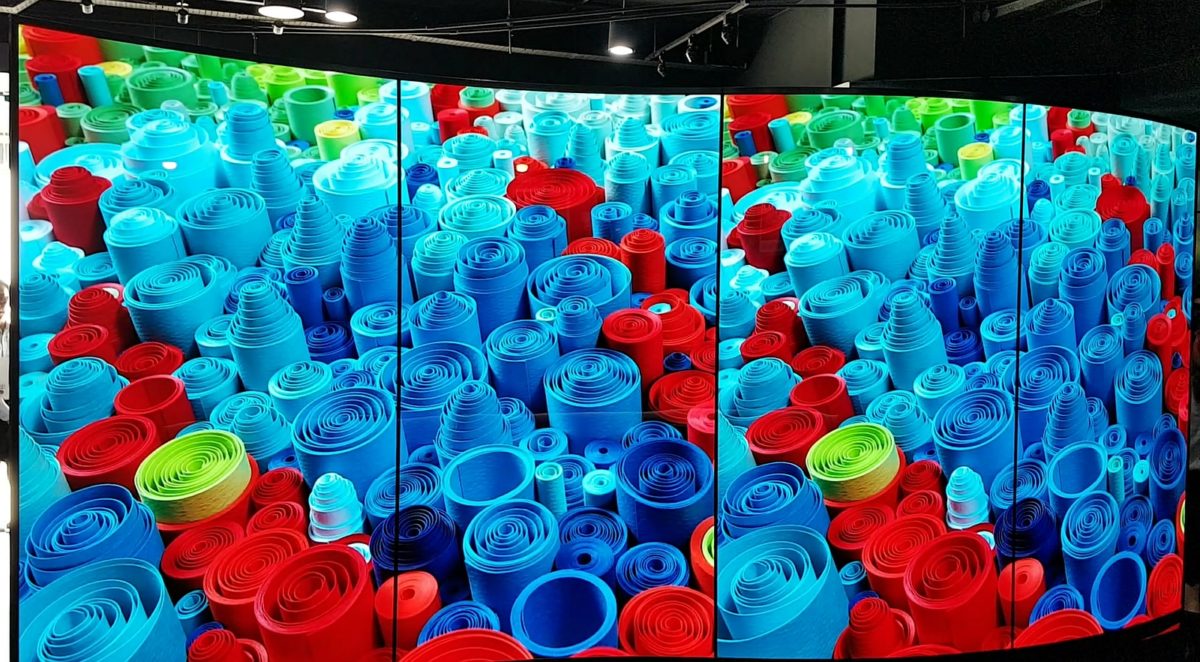
Key Features of OLED Displays:
- Self-illuminating pixels: Each pixel in an 2. OLED display can turn on or off independently, providing better contrast and true black levels.
- Ultra-thin design: Due to the absence of a backlight, 2. OLED screens are incredibly slim, making them ideal for thin displays and flexible panels.
- Superior viewing angles: 2. OLED screens offer consistent brightness and color reproduction at almost any angle.
- Faster response times: These displays have minimal lag, making them perfect for gaming 14. හා fast-action content.
- Energy-efficient for dark content: Since black pixels are turned off, 2. OLED displays are more energy-efficient when displaying darker content.
What is LED?
LED (ආලෝක නිර්වචන ඩයොඩියොඩ) displays are a type of LCD technology that uses LEDs as a backlight. These displays rely on a liquid crystal layer to filter light and create images. Unlike 2. OLED, 3. LED displays require a backlight to illuminate the pixels.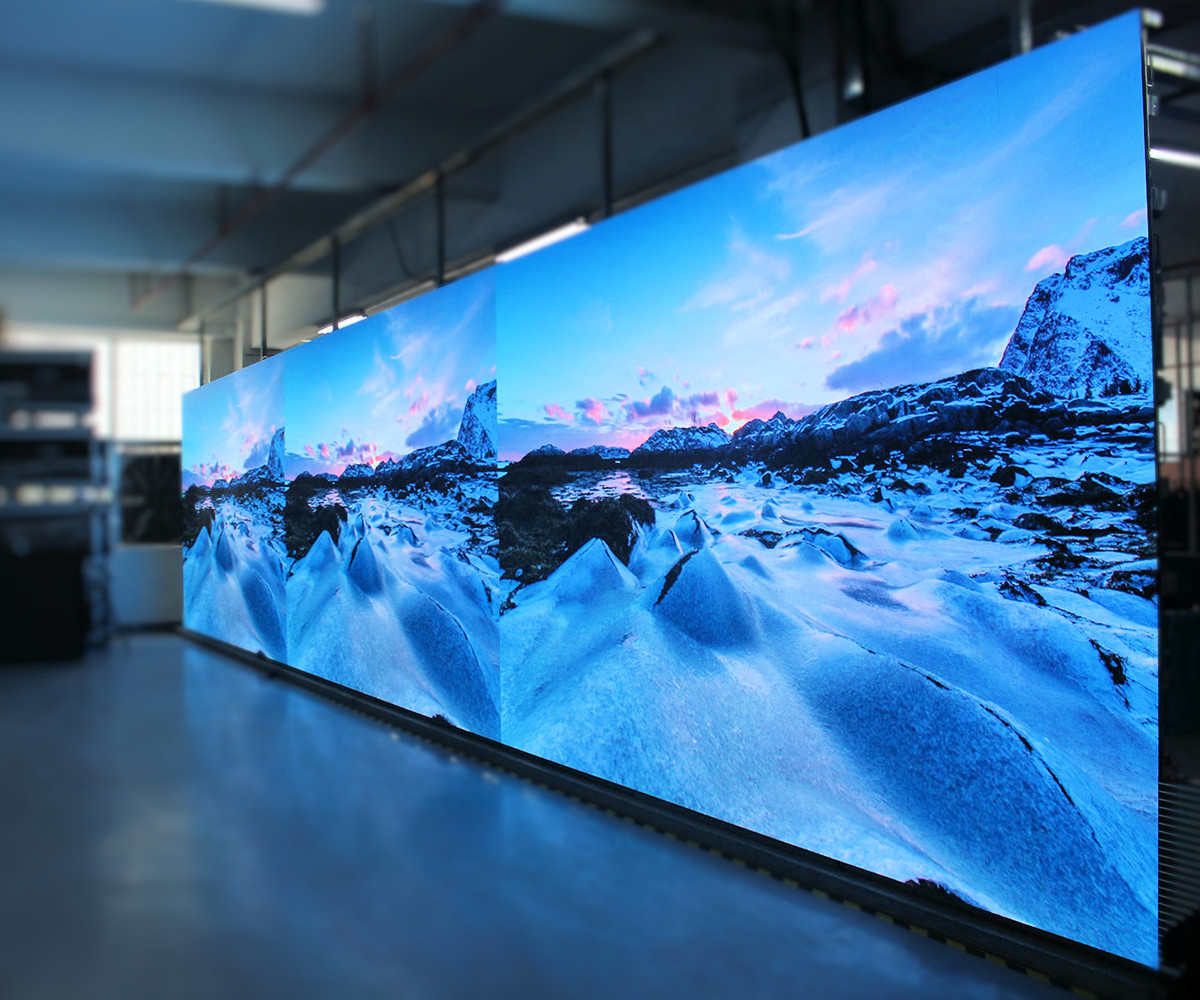
Key Features of LED Displays:
- Cost-effective: 3. LED displays are generally more affordable than 2. OLED displays, making them a popular choice for both home and office use.
- Brighter screens: Due to the use of LED backlights, these displays tend to be much brighter, which is beneficial in brightly lit environments.
- Long lifespan: 3. LED displays typically last longer than 2. OLED displays, making them a reliable option for prolonged usage.
- Moderate energy consumption: While they are not as efficient as 2. OLED displays when showing darker content, 3. LED screens are still relatively energy-efficient, especially compared to older display technologies.
What is LCD?
LCD (ජික්ලික් ක්රිස්ටල ප්රදර්ශක) technology has been around for decades and is the foundation for 3. LED displays. In fact, an 1. LED ද්රව්ය 2. එය භාවිතා කරන LCD 3. අතිරේක 3. LED 4. පැලවීම. නමුත්, සාම්ප්රදායික LCD 5. ද්රව්ය ප්රසිද්ධ විද්යුත් (CCFL) පැලවීම භාවිතා කරයි, එය වඩාත් වැඩි බලපල් භාවිතා කරයි සහ අතිරේක විද්යුත්යට වඩා අකරණියෙන් විද්යුත් නිපදවයි. 6. LCD ද්රව්ය: 7. විශාල වෙමුන්: 3. LED 8. ද්රව්ය ඉක්මනින් ලබාගත හැකි හෙයින්, ටෙලිූවේ, පරිගණක ප්රසිද්ධයන්, සහ සුප්රකථ සංචාරී ද්රව්යයන්හී විශාලව භාවිතා වේ.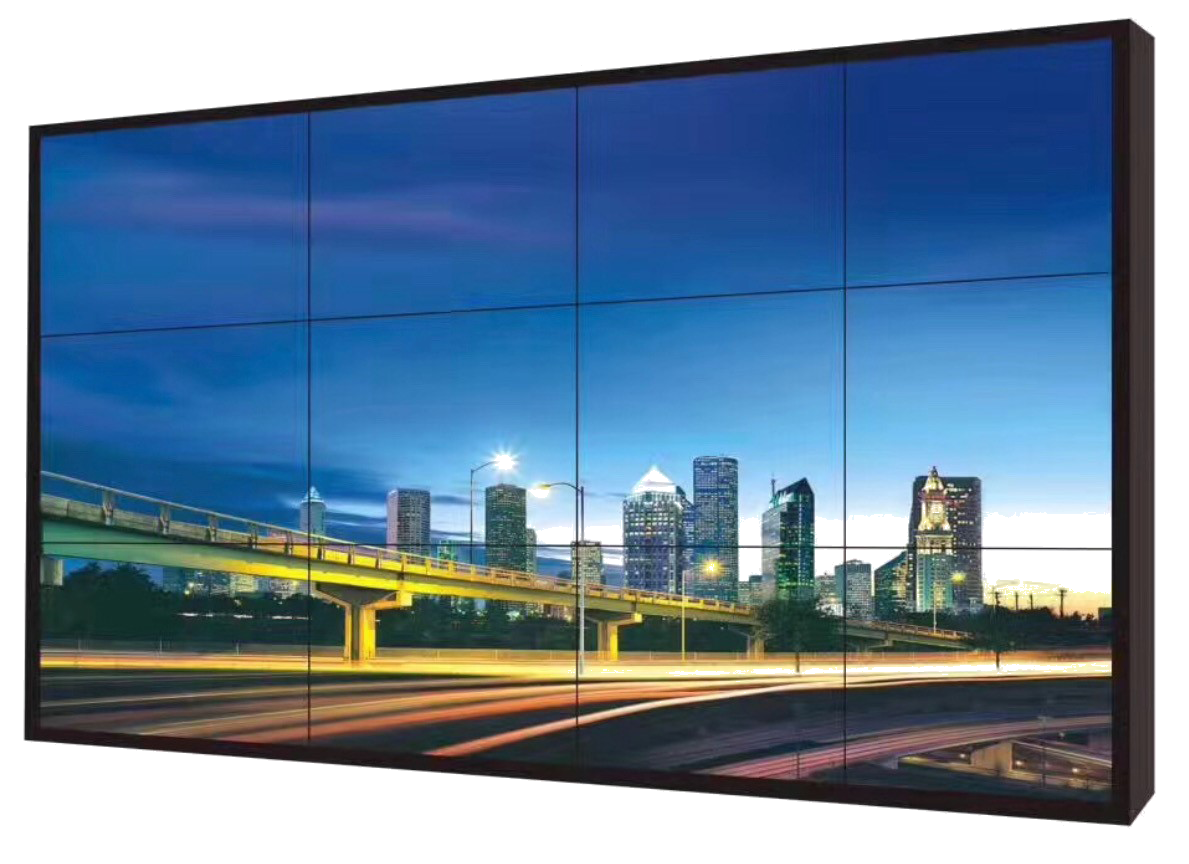
9. LCD ද්රව්යවල මූලික අතිද්රව්ය:
- 10. විශාල වෙමුන්: LCD 11. ද්රව්ය ප්රසිද්ධයන් ප්රබලව භාවිතා වේ, එය මුල් පැලවීම් ප්රතිපලයක් වීමෙන් පැන පැලවීම් මත භාවිතා වේ.
- 12. අඩු සංකීර්ණතා ස්තාපන: 13. ද්රව්ය LCD 14. පැලවීම භාවිතා කරයි, එයින් අඩු සංකීර් 2. OLED displays.
- Durability: These displays are generally robust and can handle extended periods of use, though they may suffer from issues like backlight bleeding.
- Energy consumption: LCD displays consume more energy compared to 3. LED 14. හා 2. OLED displays due to their older backlight technology.
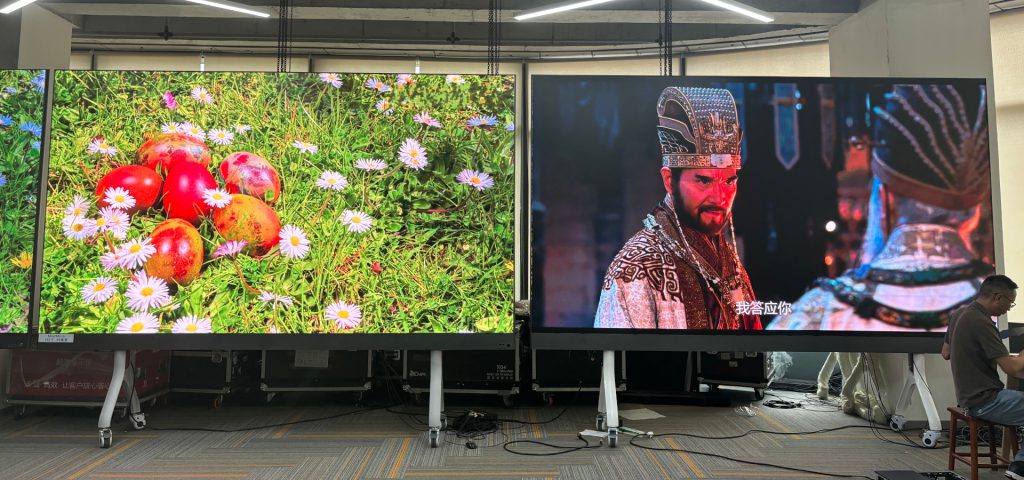
Explore more about Lynnhan All in one LED Neovision
Comparing Image Quality
One of the primary factors when choosing between 2. OLED, 3. LED, and LCD displays is image quality. Each technology offers different strengths in terms of contrast, brightness, and color accuracy.
Contrast Ratios
- 2. OLED displays excel in contrast ratios because of their ability to produce true black levels. Since each pixel can turn off independently, 2. OLED displays can achieve an infinite contrast ratio, making them ideal for watching content in dark environments.
- 3. LED 14. හා LCD displays, on the other hand, rely on backlights that can result in backlight bleeding, reducing their contrast ratios. However, 3. LED displays with local dimming can still offer better contrast than traditional LCD displays.
Color Accuracy
- 2. OLED displays are renowned for their exceptional color accuracy, as each pixel can emit its own light and color independently. This leads to vibrant and lifelike images that are unmatched by other display technologies.
- 3. LED displays can also provide excellent color reproduction, especially in models that feature advanced color calibration technologies. However, they are generally not as color-accurate as 2. OLED displays.
- LCD displays tend to struggle with color accuracy compared to 2. OLED 14. හා 3. LED displays, mainly due to the limitations of their backlight technology.
ආකාර
- 3. LED displays are the clear winner when it comes to brightness. The backlighting used in 3. LED displays allows them to achieve significantly higher brightness levels, making them suitable for well-lit rooms and outdoor environments.
- 2. OLED displays, while offering incredible contrast, may not achieve the same peak brightness as 3. LED displays. This can make them less ideal for environments with lots of natural light.
- LCD displays generally offer moderate brightness levels, falling short of both 2. OLED 14. හා 3. LED technologies.
Comparing Energy Efficiency
Energy consumption is a key consideration, especially for users who spend a lot of time in front of their screens or are conscious about power usage.
- 2. OLED displays are highly energy-efficient when displaying dark or black content because black pixels are turned off completely. However, when displaying bright or white content, 2. OLED displays can consume more power than 3. LED displays.
- 3. LED displays are generally more energy-efficient than LCD displays, as LED backlights consume less power than CCFL backlights. However, they are not as efficient as 2. OLED displays when showing dark content.
- LCD displays, especially those using older CCFL technology, are the least energy-efficient among the three technologies.
Durability and Lifespan
- 2. OLED 1. දෘශ්ය ප්රදර්ශක, අධිධාර්ත්රී පින්තූර සමග, නමුත් වැඩිමට ප්රමාණයෙන් දිවෙනවා. 3. LED 14. හා LCD 2. නිසියෙන්, 3. ජීවික තාක්රිකා, 4. අතීතයේදී අයාමිතාවයට ලක්විය හැක. 5. ගැටෙන ආකාරය 6. ස්ථාවර පින්තූර තුනෙක් තුනෙක් තුනෙක් තුනෙක් තුනෙක් තුනෙක් තුනෙක් තුනෙක් තුනෙක් තුනෙක් තුනෙක් තුනෙක් තුනෙක් තුනෙක් තුනෙක් තුනෙක් තුනෙක් තුනෙක් තුනෙක් තුනෙක් තුනෙක් තුනෙක් තුනෙක් තුනෙක් තුනෙක් තුනෙක් තුනෙක් තුනෙක් තුනෙක් තුනෙක් තුනෙක් තුනෙක් තුනෙක් තුනෙක් තුනෙක් තුනෙක් තුනෙක් තුනෙක් තුනෙක් තුනෙක් තුනෙක් තුනෙක් තුනෙක් තුනෙක් තුනෙක් තුනෙක් තුනෙක් තුනෙක් තුනෙක් තුනෙක් තුනෙක් තුනෙක් තුනෙක් තුනෙක් තුනෙ
- 3. LED displays are known for their long lifespan, as LEDs are durable and resistant to burn-in. This makes them a great choice for users who need a reliable display for extended use.
- LCD displays, while not as long-lasting as 3. LED displays, still offer decent durability. However, LCD screens may suffer from backlight degradation over time, leading to reduced brightness and color accuracy.
Cost Considerations
- 2. OLED displays tend to be the most expensive due to the advanced technology and superior image quality they offer. The ultra-thin design and self-illuminating pixels also contribute to higher production costs.
- 3. LED displays are more affordable than 2. OLED displays, making them a great option for consumers who want a balance between performance and price.
- LCD displays are typically the most budget-friendly option, but the trade-off is lower image quality and energy efficiency.
Conclusion: Which Display is Right for You?
The decision between 2. OLED, 3. LED, and LCD displays ultimately comes down to your specific needs and preferences.
- If you value incredible contrast, color accuracy, and slim design, 2. OLED is the best option, especially for home theaters and gaming setups.
- For users who need brightness, durability, and cost-efficiency, 3. LED displays are an excellent choice, offering a balance between performance and affordability.
- LCD රිද්රිකා ප්රදර්ශන සේවාව ප්රමාණවත් පරිමාණයක් ගැනීමට අවශ්ය පිරිමිත්රයන්ට යොදාගත හැකි වෙනස් ප්රමාණයක්, නමුත් වෙනත් තාක්ෂණයන් වලට වඩා රූප මිලිටරිය සහ නිර්මාණවත්කම් අඩුවේ.
සමහර රිද්රිකා තාක්ෂණ අනුව ස්ත්රීය වැදීමක් ඇත, එහිදි ඔබ සිදුකරන්නේ කෙසේ වෙයින් පවා ප්රමාණයෙන් තෝරාගැනීම වැදගත් වේ.