
Lynnhan – විශ්වන්තික සපයන්නා | LED/OLED/LCD/E-paper ඩිගියල් සෙවින්
Lynnhan – විශ්වන්තික සපයන්නා | LED/OLED/LCD/E-paper ඩිගියල් සෙවින්
Lynnhan – විශ්වන්තික සපයන්නා | LED/OLED/LCD/E-paper ඩිගියල් සෙවින්
Lynnhan – විශ්වන්තික සපයන්නා | LED/OLED/LCD/E-paper ඩිගියල් සෙවින්
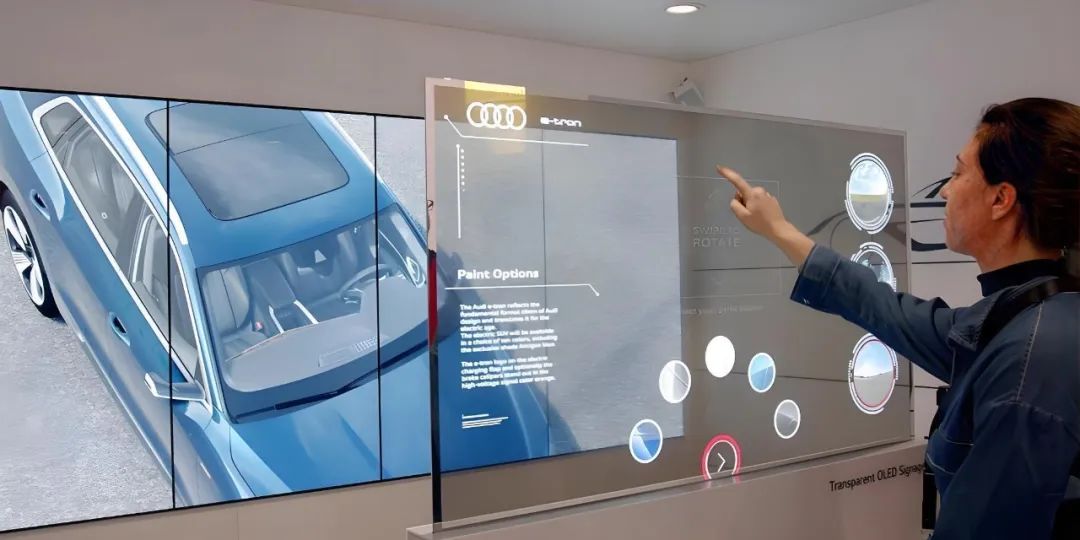
1. දර්ම තාක්ෂණ ලෝකයේ, OLED (ජීනිකාර්තික ඉන්ධන ද්රව්ය) එක්රැයිකාරකයක් බවට පත්ව ඇත. පෙනුම, සිහින් නිර්භාවය, හා නිර්මාණශීලීත්වය හේතුවෙන්, OLED දර්ම ප්රයෝජනික ද්රව්ය සිට දේශීය ලාභීන් වෙතින් දැක්වෙන ඉතිහාසය වෙනස් කරන ලදි. Lynnhan.com, ඔබගේ විශ්වාසවනත් සැපයන්නා, ඔබට OLED දර්ම වන්නේ කුමක්ද, ඒ කෙසේ ක්රියාකරයි, හා ඒවා හොඳින් අල්ලාගත් හේතු පිළිබඳව විස්තර කරමින් සිටියහ.
2. OLED දර්ම වන්නේ කුමක්ද?
3. OLED දර්මයක් යනු ජීනිකාර්තික සංයෝග භාවිතා කර, ජීනිකාර්තිකව ඉන්ධනය නිකුත් කරන දර්ම තාක්ෂණයකි. සාමාන්ය LED හෝ LCD දර්ම පාදක, තිරය සලකුණු නිර්භාවය සඳහා පහසුවෙන් පැතිරවෙන පටලයක් අවශ්ය නොවන්නේ, OLED දර්ම පාදකයේ සෑම
How Does an OLED Display Work?
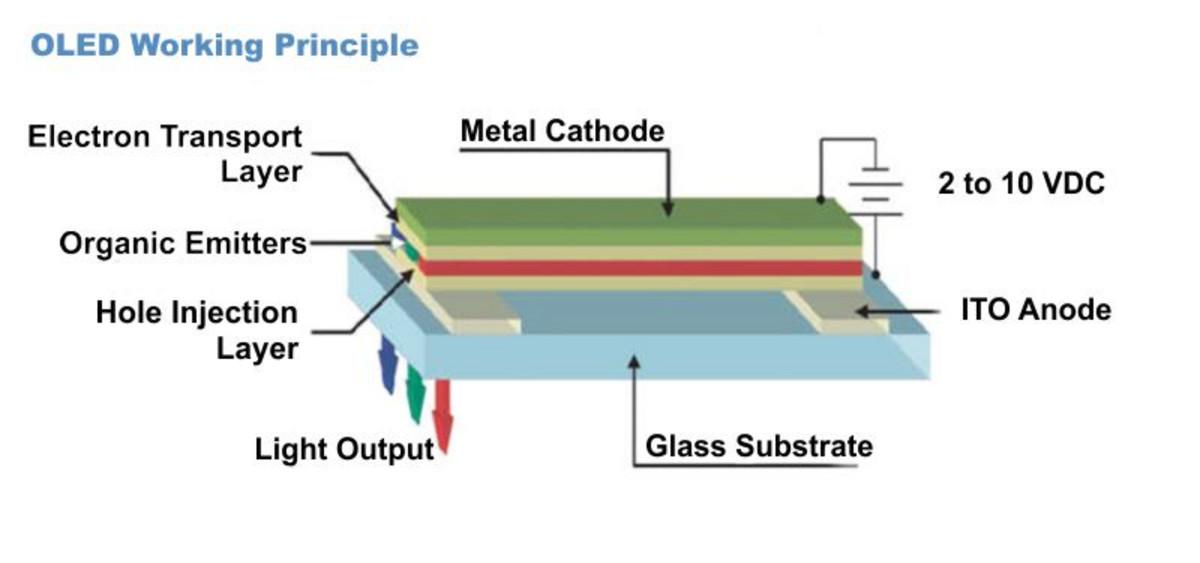
OLED displays are made up of thin layers of organic materials sandwiched between two electrodes (an anode and a cathode). When electricity is applied, the organic compounds emit light. The basic structure of an OLED display includes:
- Substrate: The base layer, usually made of glass or plastic, that supports the OLED structure.
- Anode: A transparent layer that removes electrons when a current is applied.
- Organic Layers: These include the emissive layer (which emits light) and the conductive layer (which transports electrons).
- Cathode: A reflective layer that injects electrons into the organic layers.
When voltage is applied, electrons flow from the cathode to the anode, passing through the organic layers. This process excites the organic molecules, causing them to emit light. By controlling the intensity of the light emitted by each pixel, OLED displays can produce a wide range of colors and shades.
Types of OLED Displays
At Lynnhan.com, we offer a variety of OLED displays to meet different needs. Here are the most common types:
- Passive-Matrix OLED (PMOLED)
PMOLED displays are simpler in design and are typically used in smaller devices like smartwatches and MP3 players. They are cost-effective but have limitations in terms of resolution and screen size. - Active-Matrix OLED (AMOLED)
AMOLED displays are more advanced and are commonly used in smartphones, tablets, and TVs. They use a thin-film transistor (TFT) backplane to control each pixel individually, resulting in higher resolution, faster response times, and better energy efficiency. - Flexible OLED
Flexible OLED displays are made using plastic substrates instead of glass, allowing them to bend or fold. These displays are used in innovative applications like foldable smartphones and curved TVs. - Transparent OLED
Transparent OLED displays allow light to pass through the screen, making them ideal for augmented reality (AR) applications, retail displays, and smart windows. - Top-Emitting OLED
These displays emit light from the top of the structure, making them more efficient and suitable for high-resolution applications like microdisplays.
Benefits of OLED Displays
OLED displays offer several advantages over traditional display technologies like LED and LCD. Here are some of the key benefits:
- Perfect Blacks and Infinite Contrast
Since each pixel emits its own light, OLED displays can completely turn off individual pixels to achieve true blacks. This results in an infinite contrast ratio, providing a more immersive viewing experience. - Wide Viewing Angles
1. OLED දර්ශන ප්රමාණවත් විලාසිතාව පවතින්නේ, එක්කුල්ලා ප්රවණතාවයකින් දර්ශනය වන්නේද. - 2. කෙටි හා සැහැල්ලි මෝස්තරය
3. OLED දර්ශන සපත්තුවක් නොයොමුනුවා, එනිසා ඒවා අතිශයින් කෙටි හා සැහැල්ලි වේ. එය පිළිබඳව නියමු ආදර්ශයක් පවතින්නේ. - Energy Efficiency
4. OLED දර්ශන සෑම විටම අඩු ජල්යාර්යය භාවිතා කරන්නේ, එයින්ම අඩු විලාසිතාව පවතින්නේ. - 5. ඉක්මන් ප්රතිචාර වක්ය
6. OLED දර්ශන ප්රමාණවත් ප්රතිචාර වක්ය, LCD වලට වඩා මාර්යන්යතාව අඩු කරන්නේ. - 7. වර්ණ සන්ධි
8. OLED දර්ශන ප්රමාණවත් වර්ණ සන්ධි ලබා දෙන්නේ, එනිසා ජීවනාත්මක පින්තූර ලබා දෙයි.
9. OLED දර්ශන යෙදීම්
10. OLED දර්ශන ප්රමාණවත් විභාග්යය හා විවිධාකාරවාම, මෙම වඩාත් පොදු යෙදීම් අතර:
- อุปกรณ์ไฟฟ้าส่วนบุคคล: 11. OLED දර
- Wearable Devices: Smartwatches and fitness trackers use OLED displays for their energy efficiency and flexibility.
- Automotive: OLED displays are used in car dashboards, infotainment systems, and rear-seat entertainment screens.
- Advertising: Digital signage and retail displays benefit from OLED’s vibrant colors and thin design.
- Medical Devices: OLED displays are used in medical imaging and diagnostic equipment due to their high resolution and accuracy.
- Augmented Reality (AR): Transparent OLED displays are ideal for AR applications, providing a seamless blend of digital and real-world content.
OLED vs. LED/LCD Displays
While OLED displays offer many advantages, it’s important to understand how they compare to traditional LED and LCD displays:
- Black Levels: OLED displays can achieve perfect blacks, while LED/LCD displays rely on backlighting, which can cause light bleed.
- Viewing Angles: OLED displays maintain consistent colors at wide angles, whereas LED/LCD displays may experience color shifting.
- Thickness: OLED displays are thinner and lighter due to the lack of a backlight.
- Lifespan: 1. LED/LCD ද්රව්ය සාමාන්යයෙන් දිගු ජීවිත වර්ෂයක් තිබේ, එනම් OLED ද්රව්ය කාලයත් සමග බර්මත්රාත්රීයවරය අත්යාවශ්ය විය හැක.
- 2. වාසිය: 3. OLED ද්රව්ය සාමාන්යයෙන් LED/LCD ද්රව්යයට වඩා මිලික්කේල්ය, නමුත් මිල්යන් ක්රමයෙන් අඩුවෙමි.
4. ඔබගේ OLED ද්රව්ය අවශ්යතාවන් සඳහා ලින්න්හොං.ඕම් තෝරාගත් හැකියාව?
5. ලින්න්හොං.ඕම් ඇවිදින්නේ, ඔබගේ පාර්ශවයට අනුපිළිවෙයි. ඔබට අනවශ්ය වන්නේ මෙමගින්:
- 6. ප්රවාරණ වර්ග පරාසය: 7. අලුත්වාදී, නම්යානුකූල, සහ වින්යාමී OLED ද්රව්යයන් අඩංගුවෙන් පවති.
- 8. අධික විභූතිය: 9. අපවාරණය කරනු ලබන්නේ සම්පූර්ණයෙන් විශ්වාසකරන නිෂ්පාදකයන්ගෙන් වන අතර, ප්රවාණය ප්රවේණිකව හඳුනාගනිය.
- 10. විශේෂක Our team of experts is always ready to assist you in choosing the right display for your application.
- 4. තර්කාත්ම මිල: We provide affordable solutions without compromising on quality.
- Global Shipping: No matter where you are, we deliver our products worldwide.
Conclusion
OLED displays represent the pinnacle of display technology, offering unparalleled picture quality, energy efficiency, and design flexibility. Whether you’re looking for a high-end TV, a cutting-edge smartphone, or an innovative advertising solution, OLED displays deliver exceptional performance.
Explore our collection today and discover the perfect OLED display for your needs.
For more information or to place an order, visit Lynnhan.com. Let us help you experience the future of display technology with OLED!