
3. Vorstellung
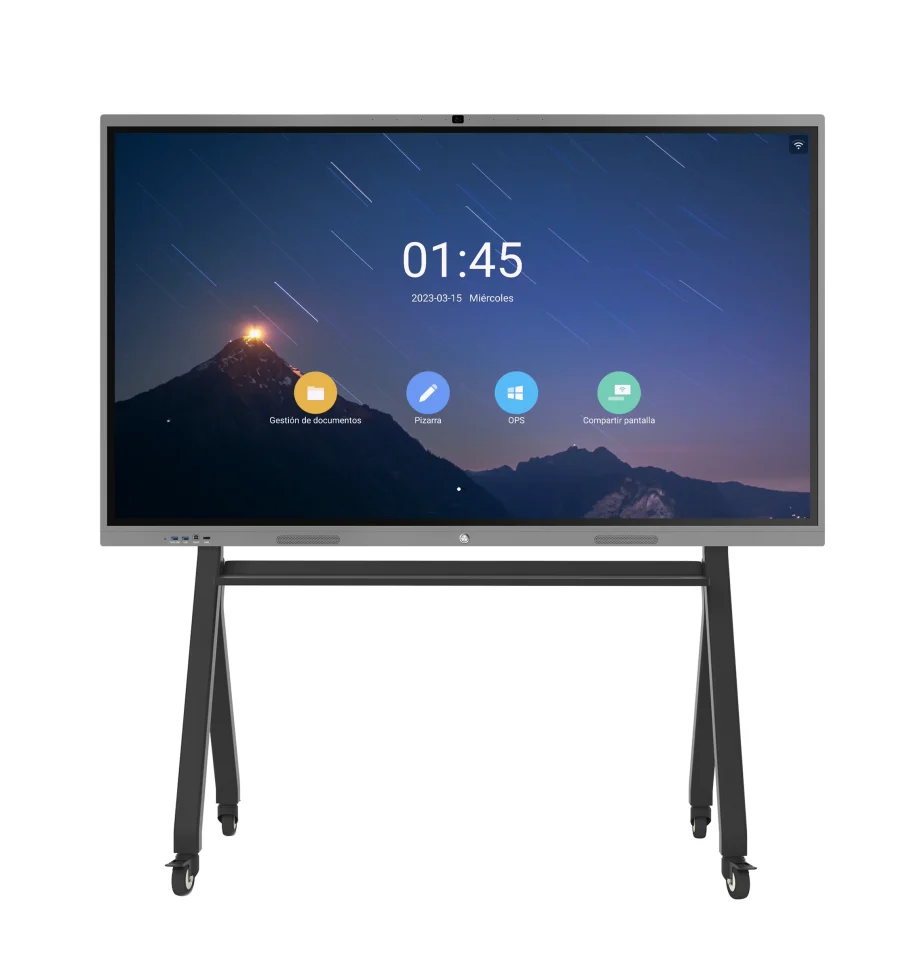
In today’s tech-savvy world, smart boards have revolutionized the way we present, teach, and collaborate. Whether in classrooms, conference rooms, or corporate settings, choosing the right smart board size is crucial for enhancing productivity and engagement. This guide will walk you through the essential factors to consider when picking the perfect smart board size for your needs.
Why Size Matters
The size of a smart board can significantly impact visibility, user experience, and overall effectiveness. A board that is too small might not be visible to everyone in the room, while an overly large board could overwhelm the space. Understanding the balance is key to making the right decision.
Understanding Smart Board Dimensions
- Aspect Ratio: Common aspect ratios include 16:9, 16:10, and 4:3. The aspect ratio determines the screen’s width relative to its height.
- Diagonal Measurement: The size of smart boards is typically measured diagonally in inches.
- Viewing Distance: The optimal viewing distance depends on the board size; larger boards require viewers to sit further back.
Factors Influencing Smart Board Size Selection
Room Size and Layout
- Room Dimensions: Measure the height, width, and depth of the room.
- Furniture Arrangement: Consider how furniture placement might affect visibility and access to the board.
- Seating Capacity: The number of people using the board impacts the required size for clear visibility.
Audience Size and Viewing Distance
- Optimal Viewing Distance: Larger boards are better suited for bigger rooms with a larger audience.
- Font and Image Size: Ensure text and images are readable from the furthest point in the room.
Purpose and Usage
- Classroom Settings: Educational environments often require boards that accommodate interactive activities.
- Corporate Environments: Business settings might need larger boards for presentations or video conferences.
- Specialized Uses: 一些行业可能需要用于详细工作如设计或工程的具体尺寸的板。
常见智能板尺寸及其应用
小型至中型(50”-70”)
- 最佳用途: 小型至中型房间,个人或小型团体使用。
- 应用: 个人工作区,小型教室和休息室。
大型(75”-86”)
- 最佳用途: 中型至大型房间,更大规模的观众。
- 应用: 标准教室,会议室和协作空间。
超大型(90”+)
- 最佳用途: 大型礼堂,演讲厅和专业行业环境。
- 应用: 大规模演示,与大型群体互动的会议。

如何测量您的房间以确定合适的智能板尺寸

步骤指南
- 测量墙面空间: 确定安装板可用的墙面空间。
- 考虑天花板高度: 确保足够的高度以舒适观看,不会使颈部紧张。
- 考虑家具和设备: 考虑桌椅和其他家具的放置。
技术集成和兼容性
连接设备
- 输入/输出端口: 确保智能板具备您设备所需端口(HDMI,USB等)。
- 无线连接: 考虑具有内置无线功能的板,以便轻松集成设备。
软件和工具
- 与现有系统兼容: 检查智能板是否与您当前的软件和设备兼容。
- 互动功能: 一些智能板提供了触摸识别、手势控制和实时协作工具等功能。
关于智能板尺寸选择的专家意见
教育者的见解
教育者强调选择一个既能实现互动学习又不会影响可见性的尺寸的重要性。过小的板可能会限制参与度,而过大的板可能会导致分心。
企业观点
商业专业人士建议在选择智能板时考虑会议室的大小和典型观众规模。较大的板适用于高管演示,而较小的板可能足以满足内部团队会议。
16. 轻如羽毛的设计
选择合适的智能板尺寸是一个重要的决定,它会影响你演示、教学或协作的整体有效性。通过仔细考虑房间尺寸、观众规模和板的使用目的,你可以确保选择一个完全符合你需求的板。