
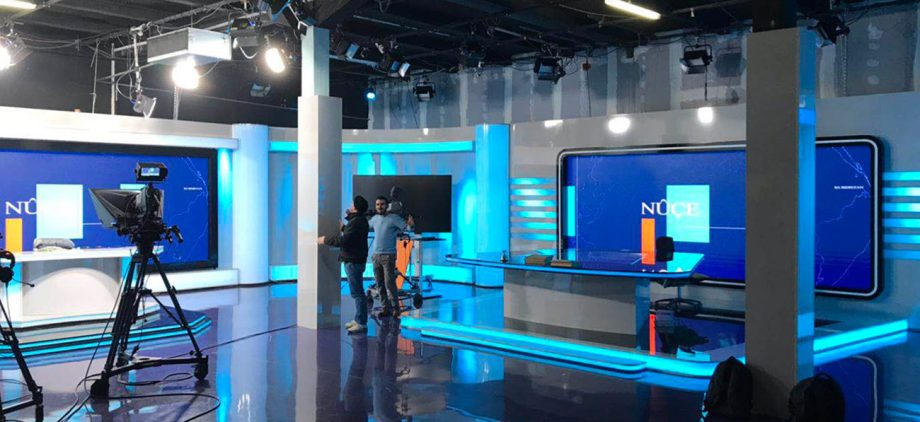
Selecting the right LED display for broadcasting studios is a critical decision that impacts the visual quality, reliability, and overall production efficiency. In this comprehensive guide, we delve into the key factors that should influence your choice, ensuring the LED display meets your studio’s specific requirements.
1. Pixel Pitch: Tailoring to Viewing Distance
Pixel pitch refers to the distance between individual pixels on an LED display. It determines the image resolution and is especially important in environments like broadcasting studios where visual clarity is paramount.
- Close Viewing Distances: For areas like anchor desks or interview sections where viewers are close to the screen, a smaller pixel pitch (P2 or below) ensures sharper and more detailed visuals. For instance, a P1.8 screen is ideal for small, intimate studios.
- Far Viewing Distances: For large stage backdrops or wider audience spaces, a pixel pitch between P3 and P5 is sufficient, balancing cost and clarity without compromising the viewing experience.
2. Brightness and Contrast: Adapting to Studio Lighting
Broadcasting studios often have high-intensity lighting setups that demand LED displays with optimal brightness and contrast levels.
- Recommended Brightness Levels: Choose an LED display with brightness levels between 1,000 and 2,000 cd/m² to counteract the studio’s intense lights without overpowering the on-camera visuals.
- High Contrast Ratios: Displays with high contrast ratios enhance the vibrancy of the on-screen image, ensuring details like text and colors pop even under challenging lighting conditions.
3. Accurate Color Representation
Color accuracy is critical in broadcasting as it ensures true-to-life visuals, a requirement for professional-grade production.
- Wide Color Gamut: Opt for LED displays supporting a high color gamut for vivid and natural hues.
- Precise Calibration: Invest in displays that allow fine-tuned calibration to maintain consistent color fidelity, especially essential in drama sets, advertisements, and news broadcasts.
4. Stability and Reliability for Continuous Operations
Broadcasting studios often operate under tight schedules, and equipment downtime is not an option.
- Advanced Cooling Systems: Ensure the LED display has robust heat dissipation mechanisms to prevent overheating during extended use.
- Self-Diagnosis Features: Choose displays with built-in fault detection systems to preemptively identify issues and avoid disruptions during live broadcasts.
5. Wide Viewing Angles for Maximum Coverage
LED displays in broadcasting studios must cater to diverse viewing positions.
- Horizontal and Vertical Viewing: A wide viewing angle (above 160° horizontally and 120° vertically) ensures consistent visuals across the studio, from direct views to oblique angles.
- Optimal for Multi-Camera Shoots: Displays with excellent viewing angles reduce the risk of image distortion or color shift when captured from various camera perspectives.
6. High Refresh Rate and Grayscale Levels
Smooth visuals are non-negotiable in broadcasting. Displays with superior refresh rates and grayscale levels provide seamless performance.
- Refresh Rates: For dynamic scenes, such as sports coverage, choose LED displays with refresh rates of 3,840 Hz or higher to eliminate flicker and ghosting.
- Grayscale Depth: Displays with 16-bit or higher grayscale processing ensure smooth transitions, enhancing image depth and detail.
7. Customizable Sizes and Shapes
The versatility of LED displays allows for innovative designs tailored to your studio’s needs.
- Flexible Configurations: Whether you require rectangular panels, curved screens, or bespoke shapes, modern LED solutions can adapt to your spatial constraints.
- Enhanced Aesthetics: Unique screen shapes contribute to immersive environments, aligning with the thematic or creative demands of the production.
8. Brand Reputation and After-Sales Support
The manufacturer’s reputation and after-sales service are vital for a hassle-free experience.
- Industry Leaders: Choose brands with a proven track record of producing high-quality, reliable LED displays.
- Comprehensive Support: Ensure the supplier offers installation assistance, training, and ongoing maintenance to minimize risks and ensure long-term performance.
9. Energy Efficiency and Sustainability
As studios prioritize eco-friendly solutions, energy-efficient LED displays are gaining traction.
- Low Power Consumption: Choose displays with energy-saving modes or certifications for reduced operational costs.
- Eco-Friendly Materials: Opt for manufacturers that use recyclable materials, aligning with green initiatives.
10. Cost-Effectiveness Without Compromise
While premium displays may seem expensive, consider them a long-term investment.
- Budget Alignment: Balance initial costs with operational benefits like reduced maintenance and superior image quality.
- Return on Investment (ROI): High-quality displays elevate production standards, contributing to the studio’s overall success.
Final Thoughts to pick LED Display for Broadcasting Studios
Selecting the right LED display for your broadcasting studio involves assessing multiple factors, from pixel pitch and brightness to brand reliability and design flexibility. A well-chosen display enhances production quality, creates immersive viewer experiences, and ensures smooth studio operations.