
Lynnhan – پراستانه سپارشدهنده | LED/OLED/LCD/E-paper ديجيتال سيگنالها
Lynnhan – پراستانه سپارشدهنده | LED/OLED/LCD/E-paper ديجيتال سيگنالها
Lynnhan – پراستانه سپارشدهنده | LED/OLED/LCD/E-paper ديجيتال سيگنالها
Lynnhan – پراستانه سپارشدهنده | LED/OLED/LCD/E-paper ديجيتال سيگنالها
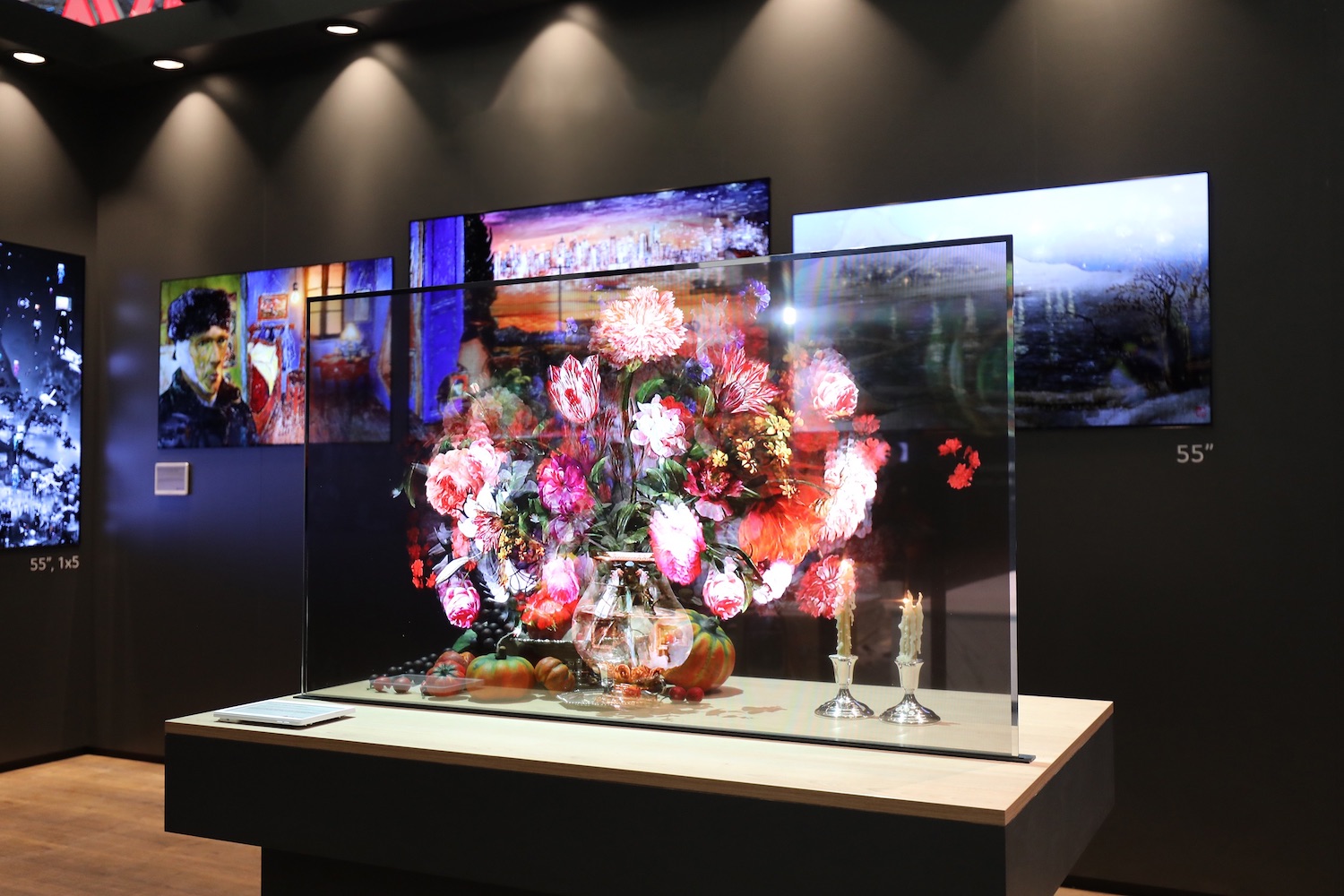
OLED Displays in Museums: Elevate Art & Visitor Engagement
संग्रहालय अब केवल इतिहास आणि कला की भण्डारांच नाहीत—they are evolving into गतिमान, संवादात्मक, आणि अधिकारिता वाढणारे जागा that captivate visitors with cutting-edge technology. Among the most transformative innovations is the use of OLED (ऑर्गॅनिक लाइट एमिटिंग डायोड) स्क्रीन्स. With their unparalleled visual quality, flexibility, and energy efficiency, OLED screens are redefining how museums engage with their audiences.
In this article, we’ll explore the top applications of OLED displays in museums, their benefits, and how they’re shaping the future of cultural and educational spaces. Whether you’re a museum curator, a technology enthusiast, or simply curious about the intersection of art and innovation, this guide will provide valuable insights.
Why OLED Screens are Perfect for Museums
OLED technology has revolutionized the display industry, offering superior image quality, flexibility, and energy efficiency. Unlike traditional LED or LCD screens, OLED screens emit their own light, eliminating the need for a backlight. This results in deeper blacks, vibrant colors, and ultra-thin designs.
Here’s why OLED screens are ideal for museums:
- Unmatched Visual Quality: OLED screens deliver true blacks, infinite contrast ratios, and wide viewing angles, ensuring that every detail of an artwork or artifact is displayed with stunning clarity.
- Flexibility: OLED panels can be made ultra-thin, flexible, and even transparent, allowing museums to create unique and innovative displays.
- Energy Efficiency: OLED screens consume less power than traditional displays, making them a پایدار for museums.
- Durability: With no backlight and fewer components, OLED screens are more durable and longer-lasting than other display technologies.
- Design Freedom: OLED screens can be curved, folded, or even rolled1. , संग्रहालयांना त्यांच्या वास्तुकलेशी सुसंगम विशेष आकाराचे प्रदर्शन निर्माण करण्यास सक्षम करतात.
2. संग्रहालयांमध्ये OLED स्क्रीन्साचे उपयोगांचे उच्चतम
3. 1. कला आणि प्रतीकांचे उत्कृष्ट प्रदर्शन
4. संग्रहालयांमध्ये OLED स्क्रीन्साचा एक अत्यंत प्रभावी उपयोग हे 5. कला आणि प्रतीकांचे प्रदर्शन उत्कृष्ट करणे आहे6. . तपासाचे शीशे आणि निर्माध प्रदर्शनांमुळे दर्शनांचा पूर्ण रंग आणि विन्यास दाखवणे अशक्य असते. OLED स्क्रीन्स, त्यांच्या 7. जीवंत रंगां आणि वास्तविक काळ्यांच्या8. , या प्रदर्शनांना जीवंत करतात.
- 9. डिजिटल कला10. : संग्रहालयांना OLED स्क्रीन्सचा उपयोग करून 11. डिजिटल कला संग्रह 12. अभूतपूर्व रंग आणि विरोधाभासाने दाखवता येते.
- 13. उच्च रेजोल्यूशन जूम14. : लोकचे एक उत्कृष्ट विषय असते 15. एक प्रतीक अथवा चित्रकलेच्या तीव्र विस्तृततेची 16. अभ्यास करणे, जेव्हा ते OLED स्क्रीन्सवर उच्च रेजोल्यूशन छायाचित्रांवर जूम करतात.
- 17. गतिमान उज्ज्वलता18. : OLED स्क्रीन्स नैसर्गिक उज्ज्वलता परिस्थिती सिमुलेट करू शकतात 19. , असे की संग्रहालयांना कलाकृतीचे पूर्वापार दृश्यांकन करणे शक्य आहे.20. 2. सहजवादी पर्यावरण
21. OLED स्क्रीन्स सहजवादी पर्य
OLED screens are perfect for creating immersive environments that transport visitors to different worlds and eras.
- Curved and Flexible Displays: OLED screens can be bent or curved to create 360-degree immersive experiences. For example, a history museum could recreate an ancient battlefield, complete with lifelike visuals and soundscapes.
- Transparent OLEDs: Transparent OLED screens can be used to create 1. होलोग्राफिक डिस्प्ले 2. अथवा भौतिक प्रदर्शनों में डिजिटल सूचना ओवरले करना, एक इंटरैक्टिविटी और गहनता की स्तर जोड़ना।
3. 3. इंटरैक्टिव स्टोरीटेलिंग
4. ओलेड स्क्रीन के सामर्थ्य 5. इंटरैक्टिव स्टोरीटेलिंग6. , संग्रहालय की यात्रा को अधिक रोचक और शिक्षापूर्ण बनाता है।
- 7. टचस्क्रीन डिस्प्ले8. : ओलेड टचस्क्रीन आगंतुकों को अपनी गति से 9. इंटरैक्टिव टाइमलाइन, मानचित्र और इन्फोग्राफिक्स 10. जाने देते हैं।
- 11. एडवैंस्ड रियलिटी (AR)12. : ओलेड स्क्रीन एआर प्रौद्योगिकी के साथ एकीकृत किए जा सकते हैं तथा 13. डिजिटल सूचना भौतिक प्रदर्शनों पर ओवरले कर सकते हैं।14. उदाहरण के लिए, एक स्मार्टफोन को एक दिनासूर के अस्थि रूप में निर्देशित करने से 15. 3D एनीमेशन दिखाई देती है जिसमें दिनासूर चलता है.
- 16. गेमीफ़िकेशन17. : संग्रहालय ओलेड स्क्रीन का उपयोग शिक्षात्मक गेम और प्रश्नावली 18. बनाने के लिए कर सकते हैं, जिससे सभी उम्र के आगंतुकों के लिए शिक्षा मज़ेदार बन जाती है।19. 4. डायनेमिक वे फाइंडिंग और सूचना डिस्प्ले
20. बड़े संग्रहालयों में निर्देशन करना आगंतुकों के लिए चुनौतीपूर्ण हो सकता है। ओलेड स्क्रीन डायनेमिक वे फाइंडिंग टूल्स
Navigating large museums can be challenging for visitors. OLED screens can serve as dynamic wayfinding tools, helping guests find their way around with ease.
- Interactive Maps: Large-format OLED screens can display interactive maps that highlight key exhibits, amenities, and events.
- Real-Time Updates: OLED screens can provide real-time information about exhibit schedules, guided tours, and special events.
- 1. बहुभाषिक सहायता2. : ओएलईडी स्क्रीन्स अनेक भाषाओंमा सूचना प्रदर्शित कर सकते हैं 3. , म्यूजियम्स अंतर्राष्ट्रीय दर्शकों के लिए अधिक उपलब्ध होते हैं.4. 5. अस्थायी और घुमावदार प्रदर्शनी
5. म्यूजियम्स अक्सर
6. अस्थायी प्रदर्शनी 7. आयोजित करते हैं 8. जिनमें लचीले प्रदर्शन समाधानों की आवश्यकता होती है. ओएलईडी स्क्रीन्स इस के लिए आदर्श हैं, क्योंकि वे आसानी से नए सामग्री से अद्यतन किए जा सकते हैं.
- 9. डिजिटल गैलरी10. : चित्रों को प्रिंट करने और फ्रेमिंग करने के बजाय, म्यूजियम्स ओएलईडी स्क्रीन्स का उपयोग कर सकते हैं 11. डिजिटल गैलरी 12. प्रदर्शित करने के लिए जिन्हें कुछ क्लिक के साथ बदला जा सकता है.
- 13. लागत-सस्ते समाधान14. : ओएलईडी स्क्रीन्स भौतिक सामग्री की आवश्यकता को समाप्त करते हैं, जिससे लागत और पर्यावरण प्रभाव कम होता है.
15. 6. स्थायित्व और ऊर्जा सक्षमता
16. जब म्यूजियम्स अधिक स्थायी बनने का प्रयास करते हैं, तो ओएलईडी स्क्रीन्स आधिकारिक प्रदर्शनों के एक 17. पर्यावरण-अनुकूल विकल्प 18. प्रदान करते हैं.
- : Supports concrete, H-frame, and suspended mounting.19. : ओएलईडी स्क्रीन्स तपे प्रकाश और प्रदर्शन प्रणालियों की तुलना में काफी कम ऊर्जा खपाते हैं.
- 20. लंबी आयु21. : 100,000 घंटे तक की आयु समानता के साथ, ओएलई 100,000 hours, OLED screens reduce the need for frequent replacements, minimizing waste.
- Recyclable Materials: Many OLED screens are made from recyclable materials, further reducing their environmental impact.
7. Accessibility and Inclusivity
OLED screens can make museums more accessible and inclusive for all visitors, including those with disabilities.
- Audio Descriptions1. OLED स्क्रीन्स दृश्य संबंधी दिव्यांग आगंतुकांसाठी 2. लिखित आणि आवाज वर्णन 3. दाखवू शकतात.
- 4. निशांत भाषा विडिओ5. OLED स्क्रीन्स वापरून 6. निशांत भाषा विडिओ7. दाखवू शकतात, असे करून प्रदर्शनी दृश्यात सुनीवाही दिव्यांग आगंतुकांना पहुचवतात.
- 8. अनुकूलीय उजाळा9. OLED स्क्रीन्स आवश्यकतेनुसार
10. आपल्या संग्रहालयासाठी उत्तम OLED स्क्रीन्स निवडण्याचे तरीके
11. आपल्या संग्रहालयासाठी OLED स्क्रीन्स निवडताना, खालील घटकांचे विचार करा:
- 21. स्पष्टीकरण12. 4K अथवा 8K रेजोल्युशन असणाऱ्या 13. स्क्रीन्स निवडा 14. सर्वोत्तम दृश्य गुणवत्ता.
- 18. चमकीलापन15. उच्च उजाळा स्तर 16. असणाऱ्या 17. स्क्रीन्स निवडा, त्यामुळे अधिक उजाळादार युक्त युक्त युक्त युक्त युक्त युक्त युक्त युक्त युक्त युक्त युक्त युक्त युक्त युक्त युक्त युक्त युक्त युक्त युक्त युक्त युक्त युक्त युक्त युक्त युक्त युक्त युक्त युक्त युक्त युक्त युक्त युक्त युक्त युक्त युक्त युक्त युक्त युक्त युक्त युक्त युक्त युक्त युक्त युक्त युक्त युक्त युक्त युक्त युक्त युक्त युक्त युक्त युक्त युक्त युक्त युक्त युक्त युक्त युक्त युक्त युक्त युक्त युक्त युक्त युक्त युक्त युक्त युक्त युक्त युक्त युक्त युक्त युक
- Flexibility: Look for screens that can be customized into unique shapes and configurations.
- Interactivity: Consider touchscreen or motion-sensing capabilities for interactive exhibits.
- Durability: Ensure the screens are built to withstand heavy usage and environmental factors.
Conclusion: The Future of Museums is OLED
OLED screens are transforming museums into गतिमान, संवादात्मक, आणि अधिकारिता वाढणारे जागा that captivate and educate visitors like never before. From enhancing exhibits to creating fully immersive environments, the possibilities are endless.
अट لینینان, we specialize in providing cutting-edge OLED solutions tailored to the unique needs of museums. Whether you’re looking to create a stunning digital art display or an interactive wayfinding system, we’re here to help you bring your vision to life.