
Линнхан – Эзлэгч Баярлагч | LED/OLED/LCD/E-paper дигитал цахим зураач
Линнхан – Эзлэгч Баярлагч | LED/OLED/LCD/E-paper дигитал цахим зураач
Линнхан – Эзлэгч Баярлагч | LED/OLED/LCD/E-paper дигитал цахим зураач
Линнхан – Эзлэгч Баярлагч | LED/OLED/LCD/E-paper дигитал цахим зураач
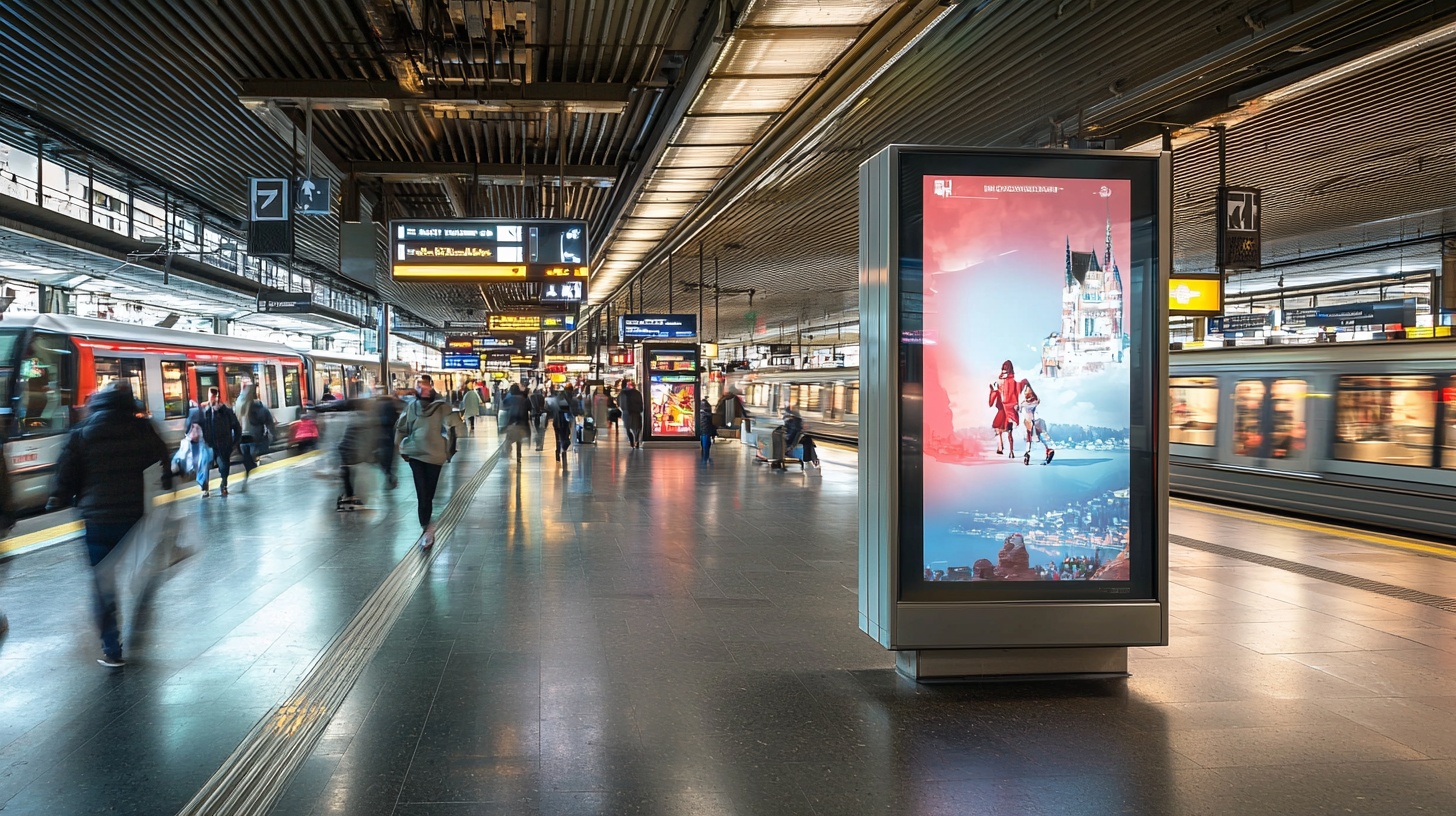
1. Багacyн төхөөр технологиийн дэвшлигт, LCD (Ликвид Кристалл Дисплей) хуулийн сүүлт хүртэх болсон. Television, компьютерын мониторын дээс шинэдэх хүмүүсийн төвшин танилдаг тэгшитгүүд болон дигитал байлганыг түүнд нь нийлүүлдэг. Lynnhan.com, LED, OLED, LCD, Э-Харин харин дигитал байлганы танилдаг үнэлгүй болон танилдаг хүлэгч, анхны танилдаг үнэлгүй болон танилдаг хүлэгч, анхны танилдаг үнэлгүй болон танилдаг хүлэгч, анхны танилдаг үнэлгүй болон танилдаг хүлэгч, анхны танилдаг үнэлгүй болон танилдаг хүлэгч, анхны танилдаг үнэлгүй болон танилдаг хүлэгч, анхны танилдаг үнэлгүй болон танилдаг хүлэгч, анхны танилдаг үнэлгүй болон танилдаг хүлэгч, анхны танилдаг үнэлгүй болон танилдаг хүлэгч, анхны танилдаг үнэлгүй болон танилдаг хүлэгч, анхны танилдаг үнэлгүй болон танилдаг хүлэгч, анхны танилдаг үнэлгүй болон танилдаг хүлэгч, анхны танилдаг үнэлгүй болон танилдаг хүлэгч, анхны танилдаг үнэлгүй болон танилдаг хүлэгч, анхны танилдаг үнэлгүй болон танилдаг хүлэгч, анхны танилдаг үнэлгүй болон танилдаг хүлэгч, анхны танилдаг үнэлгүй болон танилдаг хүлэгч, анхны танилдаг үнэлгүй болон танилдаг хүлэгч, анхны танилдаг үнэлгүй болон танилдаг хүлэгч, анхны танилдаг үнэлгүй болон танилдаг хүлэгч, анхны танилдаг үнэлгүй болон танилдаг хүлэгч, анхны танилдаг үнэлгүй болон танилдаг хүлэгч, анхны танилдаг үнэлгүй болон танилдаг хүлэгч, анхны танилдаг үнэлгүй болон танилдаг хүлэгч, анхны танилдаг үнэлгүй болон танилдаг хүлэгч, анхны танилдаг үнэлгүй болон танилдаг х
What is an LCD Display?
An LCD display is a flat-panel display technology that uses liquid crystals to produce images. Unlike older technologies like CRT (Cathode Ray Tube), LCD displays are thinner, lighter, and more energy-efficient. The liquid crystals in an LCD do not emit light directly; instead, they rely on a backlight (usually LED-based) to illuminate the screen. This makes LCD displays versatile and suitable for a wide range of devices, from small digital watches to large-screen TVs.
How Does an LCD Display Work?
LCD displays work by manipulating light using liquid crystals. Here’s a breakdown of the key components and how they function:
- Liquid Crystals:
Liquid crystals are organic compounds that have properties of both liquids and solids. They can change their orientation when an electric current is applied, which allows them to control the passage of light. - Backlight:
LCD displays require a backlight to illuminate the screen. In modern LCDs, this is typically provided by LEDs (Light Emitting Diodes), which are energy-efficient and provide consistent brightness. - Polarizing Filters:
LCD displays have two polarizing filters placed perpendicular to each other. These filters block or allow light to pass through depending on the orientation of the liquid crystals. - Color Filters:
Each pixel in an LCD display is made up of sub-pixels with red, green, and blue color filters. By adjusting the intensity of light passing through these filters, the display can produce a wide range of colors. - Thin-Film Transistors (TFT):
TFTs are used to control each pixel individually, ensuring precise image reproduction and fast response times.

When an electric current is applied, the liquid crystals twist to align with the electric field, allowing light to pass through the polarizing filters and color filters. By controlling the amount of light that passes through each pixel, the display can create images and videos.
Types of LCD Displays
At Lynnhan.com, we offer a variety of LCD displays to meet different needs. Here are the most common types:
- Twisted Nematic (TN) LCD:
TN LCDs are the most basic and cost-effective type. They offer fast response times, making them suitable for gaming and fast-paced content. However, they have limited viewing angles and color accuracy. - In-Plane Switching (IPS) LCD:
IPS LCDs provide superior color accuracy and wider viewing angles compared to TN panels. They are ideal for graphic design, photography, and applications where color consistency is critical. - Vertical Alignment (VA) LCD:
VA LCDs offer better contrast ratios and deeper blacks than TN and IPS panels. They are commonly used in TVs and monitors where image quality is a priority. - Advanced Fringe Field Switching (AFFS) LCD:
AFFS LCDs are an enhanced version of IPS displays, offering even better color reproduction and wider viewing angles. They are used in high-end applications like aviation and medical devices. - Transflective LCD:
Transflective LCDs combine reflective and transmissive properties, making them readable in both bright sunlight and low-light conditions. They are commonly used in outdoor devices and wearables.
Benefits of LCD Displays
LCD displays have remained popular for decades due to their numerous advantages:
- Энергийн хувьд татажлагч:
LCD displays consume less power compared to older technologies like CRT, making them an eco-friendly choice. - 1. Халиг хамгийн жин төгсөр бүтэц
2. ЛЦД дэлгэцүүд CRT дэлгэцүүдээс их халиг ба жингүй байх ба, тэдэгээр тухайн түүхтэй урт тэгш хүлүүнтэй уриуудын хувьд ихэвчлэн тусгалын болно. - 3. Нүүрсэн үзүүлэлт
4. ЛЦД дэлгэцүүд их үзүүлэлт ба нүүрсэн үзүүлэлт болохоор, тэдэгээр хамгийн тусгалын байх баод хамгийн тусгалын байх баод хамгийн тусгалын байх. - 5. Хоёр хувьд асуулагдсан
6. ЛЦД дэлгэцүүд ОЭЛД гэх нэгж технологи болон харьцуулахад ойр байгаа ба, тэдэгээр харахад төлөвтэй ашиглагчдад практикан болно. - 7. Уулзал
8. ЛЦД дэлгэцүүд уулзалтай байх ба, тэдэгээр ЛЭД цомгүүдээр хамтран хамгийн тусгалын байх баод уулзалтай байх баод уулзалтай байх. - 9. Бусад бүхий байдал
10. ЛЦД дэлгэцүүд хүрэлгүй хөдөлгүүлэгчүүдээс үүдэл хүртэж, хөдөлгүүлэгчүүдээс үүдэл хүртэж, үйлдвэрлэгчүүдээс үүдэл хүртэж, үйлдвэрлэгчүүдээс үүдэл хүртэж, үйлдвэрлэгчүүдээс үүдэл хүртэж.
11. ЛЦД дэлгэцүүдийн ашиглал
12. ЛЦД дэлгэцүүд хүнд бүхий сүлжээд ашиглагдаж байна. Энэ нь хамгийн ихэвчлэн ашиглагддаг ашиглал:
- 23. Consumer Electronics: 13. ЛЦД дэлгэцүүд ТЭД, компьютерын дэлгэц, лаптоп, тээврийн дэлгэц, сүмсүмс болон ургамалын дэлгэцүүдэд ихэвчлэн ашиглагдаж байна.
- 14. Цахим урлаг 15. ЛЦД дэлгэцүүд цахим урлагийн урлаг болон дэлгэцүүдэд, айл, гүүр, нийгмийн хэлбэр буюу төгсөр бүтэцдээ ихэвчлэн ашиглагдаж байна.
- Medical Devices: 16. ЛЦД дэлгэцүүд медицинийн зураг бүтээгчд, хүн т
- Automotive: LCD displays are used in car dashboards, infotainment systems, and rear-seat entertainment screens.
- Industrial Equipment: LCD displays are used in control panels, machinery interfaces, and measurement devices.
- Gaming: LCD monitors with fast response times are popular among gamers for their smooth performance.
LCD vs. OLED Displays
While LCD displays offer many advantages, it’s important to understand how they compare to OLED displays:
- Black Levels: OLED displays can achieve perfect blacks, while LCD displays rely on backlighting, which can cause light bleed.
- Viewing Angles: OLED displays maintain consistent colors at wide angles, whereas LCD displays may experience color shifting.
- Thickness: OLED displays are thinner and lighter due to the lack of a backlight.
- Lifespan: LCD displays generally have a longer lifespan, as OLED displays can experience burn-in over time.
- Cost: LCD displays are typically more affordable than OLED displays.
Why Choose Lynnhan.com for Your LCD Display Needs?
At Lynnhan.com, we are committed to providing high-quality LCD displays that meet the needs of our customers. Here’s why you should choose us:
- Wide Range of Products: We offer a diverse selection of LCD displays, including TN, IPS, and VA panels.
- Superior Quality: Our products are sourced from reputable manufacturers and undergo rigorous quality checks.
- Expert Support: Our team of experts is always ready to assist you in choosing the right display for your application.
- Төрлөх үнэлгэ We provide affordable solutions without compromising on quality.
- Global Shipping: No matter where you are, we deliver our products worldwide.
хуучин түвшний LED-ийн
ЛЦД тавын нэг түүхийгээ байгуулсан, ойр хүрэлтэй болон харгах хямтар болон ойр хүрэлтэй шийдэл бүхий олон томилолтын ажиллуулах боломжоор үзүүлжээ. Мөн танд их үйлчилгээ бүхий телевиз, нөөцийн түрүүлдэх боломжтой дигитал хүзүүлэг эсвэл чамхаглагч боломжтой үйлдвэрлэг тавын тулгуур болно, ЛЦД технологи түрүүтэй тогтоомж бүхий хамтлагыг үзүүлнэ.
Линнхан.ком-д, танд түгээмэл хүний танигч байгууллагчаар болоноо үзэж байна. ЛЦД, LED, OLED, Э-хүзүүлэг, дигитал хүзүүлэг тавын түрүүлдэх үйлчилгээгээ харна уу, танд хэрэгтэй ЛЦД тавын төлөвийг олдно уу.
For more information or to place an order, visit Lynnhan.comХүндээ түүнийг олно уу!