
1. ಲೈನ್ಹಾನ್ – ವಿಶ್ವಸನೀಯ ಸರಬರಾಜು | LED/OLED/LCD/E-paper ಡಿಜಿಟಲ್ ಸೈನೇಜ್
2. ಲೈನ್ಹಾನ್ – ವಿಶ್ವಸನೀಯ ಸರಬರಾಜು | LED/OLED/LCD/E-paper ಡಿಜಿಟಲ್ ಸೈನೇಜ್
1. ಲೈನ್ಹಾನ್ – ವಿಶ್ವಸನೀಯ ಸರಬರಾಜು | LED/OLED/LCD/E-paper ಡಿಜಿಟಲ್ ಸೈನೇಜ್
2. ಲೈನ್ಹಾನ್ – ವಿಶ್ವಸನೀಯ ಸರಬರಾಜು | LED/OLED/LCD/E-paper ಡಿಜಿಟಲ್ ಸೈನೇಜ್
1. ನಿಜವಾದ 3D vs. 3D ಮೌಲ್ಯಮಾಪನ: LED ಪ್ರದರ್ಶನಗಳಲ್ಲಿ ವ್ಯತ್ಯಾಸವು ಎಂದು?
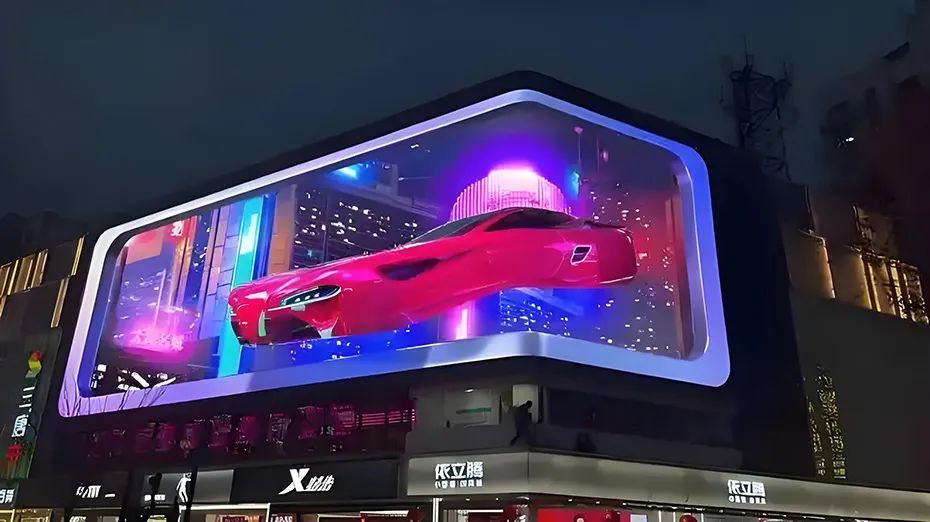
2. ಡಿಜಿಟಲ್ ಪ್ರಕಟನದ ವಿಕಾಸದಲ್ಲಿ, "3D LED ಬಿಲ್ಬೋರ್ಡ್" ವಂತಿಯ ಪದಗಳು ಕೆಲವೊಮ್ಮೆ ಮಾತ್ರ ಬಳಸಲ್ಪಡುತ್ತವೆ, ಇದು ದೃಶ್ಯಾಂಶವನ್ನು ಪ್ರದರ್ಶಿಸುವ ಆಕರ್ಷಕ ಪ್ರದರ್ಶನಗಳನ್ನು ವಿವರಿಸಲು. ಆದರೆ, ಈ ಪರಿಸ್ಥಿತಿಯಲ್ಲಿ "3D" ಎಂದರೆ ಏದು? ಅದು ನಿಜವಾದ 3D ತಂತ್ರಜ್ಞಾನವಾಗಿದೆ, ಅಥವಾ ಇದು ಮಾತ್ರ ಸಮರ್ಥವಾದ ಕಂಟೆಂಟ್ ಡಿಜೈನದಿಂದ ಸೃಷ್ಟವಾದ 3D ಮೌಲ್ಯಮಾಪನವಾಗಿದೆ? ಈ ವ್ಯತ್ಯಾಸವನ್ನು ಅರ್ಥೈಸಿಕೊಳ್ಳುವುದು ವ್ಯಾಪಾರ, ಪ್ರಕಟಕರು, ಮತ್ತು ತಂತ್ರಜ್ಞಾನ ಅನುರಾಗಿಗಳಿಗೆ ಅತ್ಯಂತ ಮುಖ್ಯವಾಗಿದೆ. ಈ ಪ್ರಬಂಧದಲ್ಲಿ, ನಾವು ನಿಜವಾದ 3D vs. 3D ಮೌಲ್ಯಮಾಪನ LED ಪಟ್ಟಿಗೆಗಳ ಪ್ರಪಂಚವನ್ನು ತಿರುಗಿಸಿಕೊಳ್ಳುತ್ತೇವೆ, ಅವುಗಳ ಕಾರ್ಯವಿಧಾನ, ಪ್ರಯೋಜನಗಳು, ಮತ್ತು ನಿಮ್ಮ ಅವಶ್ಯಕತೆಗ true 3D technology, or is it simply a 3D illusion created by clever content design? Understanding the difference is crucial for businesses, advertisers, and tech enthusiasts alike. In this post, we’ll dive deep into the world of true 3D vs. 3D illusion LED walls, exploring how they work, their advantages, limitations, and which one might be right for your needs.
What Is True 3D in LED Displays?
True 3D LED displays use advanced hardware to create a stereoscopic effect, meaning they deliver different images to each eye, simulating depth and making the content appear three-dimensional. This is achieved through technologies like:
- Parallel Barriers: Physical barriers are placed in front of the LED display to direct different images to each eye. This creates a sense of depth but requires the viewer to be in a specific position (the “sweet spot”) to experience the effect.
- Lenticular Lenses: These are arrays of tiny lenses placed over the LED screen that refract light in different directions, allowing each eye to see a slightly different image. While effective, this technology is challenging to scale for large billboards.
- Volumetric Displays: These displays use multiple layers of LEDs or projection systems to create a true 3D image with depth. However, this technology is still in its early stages and is not yet practical for large-scale outdoor advertising.
Key Features of True 3D Displays
- Hardware-Driven: Requires specialized hardware like barriers, lenses, or layered displays.
- Stereoscopic Effect: Delivers different images to each eye for a genuine 3D experience.
- Immersive Experience: Creates a sense of depth that feels real and tangible.
Challenges of True 3D Displays
- High Cost: The hardware required is expensive and complex to manufacture.
- 1. ಕಂಟೆಂಟ್ ಪರಿಮಿತಿಗಳು2. : ನಿಜವಾದ 3D ಪ್ರದರ್ಶನಗಳು ಸಂರಚಿತವಾದ ಹಾರ್ಡ್ವೇರ್ಗೆ ಅನುಕೂಲಿಸಿದ ಕಂಟೆಂಟ್ಗಳನ್ನು ಅವಶ್ಯಕವಾಗಿಸುತ್ತವೆ, ಇದು ಮಾನವಾಧಿಕಾರವನ್ನು ಕಡಿಮೆಮಾಡುತ್ತದೆ ಮತ್ತು ಉತ್ಪಾದನಾ ಬೆಲೆಯನ್ನು ಹೆಚ್ಚುಮಾಡುತ್ತದೆ.
- 3. ನೋಟಕ್ಕೆ ಪರಿಮಿತಿಗಳು4. : 3D ಪರಿಣಾಮ ಸಾಮಾನ್ಯವಾಗಿ ಒಂದು ಪರಿಣಾಮಕಾರಿ ಕೋಣದಿಂದ ಮಾತ್ರ ಕಾರ್ಯನಿರ್ವಹಿಸುತ್ತದೆ, ಇದು ಹೆಚ್ಚಿನ ಪ್ರಜಾದರ್ಶಕವನ್ನು ಕಡಿಮೆಮಾಡುತ್ತದೆ.
- 5. ಪ್ರಕಾಶವಾಹಕತೆ ಮತ್ತು ಪ್ರಕ್ಷಪತಿಗಳಿಗಿನ ಸಮಸ್ಯೆಗಳು6. : ಅಂತರ್ಬದ್ಧವಾದವುಗಳನ್ನು ಅಥವಾ ಲೆನ್ಸ್ಗಳನ್ನು ಜೋಡಿಸಿದಾಗ, ಪ್ರದರ್ಶನದ ಪ್ರಕಾಶವಾಹಕತೆ ಮತ್ತು ಪ್ರಕ್ಷಪತಿಗಳನ್ನು ಕಡಿಮೆಮಾಡುತ್ತದೆ, ಇದು ಉಚ್ಚ ಪ್ರಕಾಶದ ಹೊರಗಿನ ಪರಿಸ್ಥಿತಿಗಳಲ್ಲಿ ತಕ್ಕವಾಗಿರುವದು.
7. ಈ ಸಮಸ್ಯೆಗಳನ್ನು ಕಾರಣವಾಗಿ,
What Is a 3D Illusion in LED Walls?
Most so-called “3D LED billboards” are actually 2D LED walls that use clever content design to create the illusion of depth. These displays rely on techniques like:
- Parallax Effects: By moving different layers of the content at different speeds, designers can create a sense of depth. For example, foreground elements move faster than background elements, mimicking how objects appear to move in real life.
- Perspective Shifts: Content is designed to change perspective as the viewer moves, creating the illusion that the display is three-dimensional.
- Motion Graphics: Dynamic animations and motion effects can trick the brain into perceiving depth where there is none.
- High Refresh Rates and Brightness: Modern LED walls have high refresh rates and brightness levels, making the content appear more vivid and lifelike.
Key Features of 3D Illusion LED Walls
- Content-Driven: Relies on creative content design rather than specialized hardware.
- Cost-Effective: Uses standard LED technology, making it more affordable to produce and maintain.
- Flexible Content: Content can be easily updated or changed without requiring specialized hardware or software.
- Wide Viewing Angles: The 3D effect can be designed to work from multiple angles, making it accessible to a larger audience.
Advantages of 3D Illusion LED Walls
- Affordability: Much cheaper to produce and maintain compared to true 3D displays.
- Scalability: Can be built to almost any size, making them ideal for large-scale outdoor advertising.
- Ease of Use1. : ಕಂಟೆಂಟ್ನನ್ನು ಸ್ಟ್ಯಾಂಡರ್ಡ್ ಸಾಧನಗಳು ಮತ್ತು ಸಾಫ್ಟ್ವೇರ್ನಿಂದ ಸೃಷ್ಟಿಮಾಡಬಹುದು ಮತ್ತು ನವೀಕರಿಸಬಹುದು.
- 2. ಪ್ರತಿನಿಧಿಗಳ ಪರಿಣಾಮ3. : 3D ಪರಿಣಾಮವನ್ನು ಅನೇಕ ಕಣ್ಣಿನ ಮೂಲಕ ಕಾಣಿಸಬಹುದು, ಇದು ಹೆಚ್ಚಿನ ಪ್ರತಿನಿಧಿಗಳಿಗೆ ಅನುಭವವನ್ನು ಹೊಂದಿಸುತ್ತದೆ.
4. 3D ಅನುಭವ ಲೆಡ್ ಗೋಡೆಗಳ ಪರಿಣಾಮಗಳು
- 5. ನಿಜವಾದ 3D ಇಲ್ಲ6. : ಈ ಪರಿಣಾಮ ಮಾತ್ರ ದೃಷ್ಟಿಕೋಣದ ಮೇಲೆ ಆಧಾರಿತವಾಗಿದ್ದು, ಇದು ನಿಜವಾದ ಸ್ಟೆರಿಯೊಸ್ಕೋಪಿಕ್ 3D ಅನುಭವವನ್ನು ಒದಗಿಸುತ್ತದೆ.
- 7. ಕಂಟೆಂಟ್ನ ಗುಣಮಟ್ಟದ ಬಲಿಯಲ್ಲಿ8. : 3D ಅನುಭವದ ಪ್ರಭಾವಶೀಲತೆ ಕಂಟೆಂಟ್ನ ರಚನೆಯ ಗುಣಮಟ್ಟದ ಮೇಲೆ ಹೆಚ್ಚಾಗಿ ಆಧಾರಿತವಾಗಿದೆ. ಬಾಧಕವಾಗಿ ರಚಿಸಲ್ಪಟ್ಟ ಕಂಟೆಂಟ್ನ್ನು ಸ್ಪಷ್ಟವಾದ ಪರಿಣಾಮವನ್ನು ಸೃಷ್ಟಿಮಾಡಬಹುದಿಲ್ಲ.
- 9. ಸ್ವೀಟ್ ಸ್ಪಟ್ಗಳ ಬಲಿಯಲ್ಲಿ10. : ಕೆಲವು ರೂಪಗಳ
Why the Confusion Exists
The confusion between true 3D and 3D illusion LED displays stems from marketing. Many companies use the term “3D LED billboard” to describe their displays, even though they are not true 3D. This can be misleading for customers who expect a genuine 3D experience.
However, it’s important to note that 3D illusion LED walls can still be incredibly effective. When done well, the content can create a stunning visual experience that captivates audiences and leaves a lasting impression.
True 3D vs. 3D Illusion: Which Should You Choose?
The choice between true 3D and 3D illusion LED displays depends on your goals, budget, and technical requirements.
- Choose True 3D If:
- You need a cutting-edge display for a specialized application (e.g., a high-end retail store or exhibition).
- You have the budget for expensive hardware and specialized content.
- You are willing to accept the limitations, such as restricted viewing angles and higher maintenance costs.
- Choose 3D Illusion If:
- You want a cost-effective solution for large-scale outdoor advertising.
- You need flexibility in content creation and updates.
- You want to reach a wide audience with a visually impressive display.
The Future of 3D LED Technology
While true 3D LED displays are not yet practical for widespread use, advancements in technology may change this in the future. Researchers are exploring new methods, such as 1. ಹೊಲೋಗ್ರಾಫಿಕ್ ಪ್ರದರ್ಶನಗಳು and light field technology, which could make true 3D displays more accessible and scalable.
In the meantime, 3D illusion LED walls will continue to dominate the market, offering a balance of affordability, flexibility, and visual impact.
Conclusion
Understanding the difference between true 3D and 3D illusion in LED displays is crucial for making informed decisions about your advertising strategy. While true 3D displays offer a genuine stereoscopic experience, they come with significant challenges and limitations. On the other hand, 3D illusion LED walls provide a cost-effective and flexible solution that can still deliver stunning visual effects.
ಲೈನ್ಹಾನ್ನಲ್ಲಿ, ಅವಿಶ್ವಾಸದಾಯಕ 3D ಪ್ರದರ್ಶನವನ್ನು ಸೃಷ್ಟಿಸುವಲ್ಲಿ ನಾಂದಿರುತ್ತೇವೆ. ನೀವು ನಿಜವಾದ 3D ಅನುಭವವನ್ನು ಅಥವಾ ಆಕರ್ಷಕ 3D ಅನುಭವವನ್ನು ಕಾಣಿಸಿಕೊಳ್ಳುತ್ತಿರುವಿರುವಾಗ, ನಮ್ಮ ಟೀಮ್ ನಿಮ್ಮ ಲಕ್ಷ್ಯಗಳನ್ನು ಸಾಧಿಸಲು ಸಹಾಯತೆ ಮಾಡಬಹುದು. ನಮ್ಮ ಉತ್ಪನ್ನಗಳು ಮತ್ತು ಸೇವೆಗಳು ಬಗ್ಗೆ ಹೆಚ್ಚಿನ ಮಾಹಿತಿ ಪಡೆಯಲು ಇನ್ನೂ ಸಹ ಸಂಪರ್ಕಿಸಿ!