
1. ಲೈನ್ಹಾನ್ – ವಿಶ್ವಸನೀಯ ಸರಬರಾಜು | LED/OLED/LCD/E-paper ಡಿಜಿಟಲ್ ಸೈನೇಜ್
2. ಲೈನ್ಹಾನ್ – ವಿಶ್ವಸನೀಯ ಸರಬರಾಜು | LED/OLED/LCD/E-paper ಡಿಜಿಟಲ್ ಸೈನೇಜ್
1. ಲೈನ್ಹಾನ್ – ವಿಶ್ವಸನೀಯ ಸರಬರಾಜು | LED/OLED/LCD/E-paper ಡಿಜಿಟಲ್ ಸೈನೇಜ್
2. ಲೈನ್ಹಾನ್ – ವಿಶ್ವಸನೀಯ ಸರಬರಾಜು | LED/OLED/LCD/E-paper ಡಿಜಿಟಲ್ ಸೈನೇಜ್
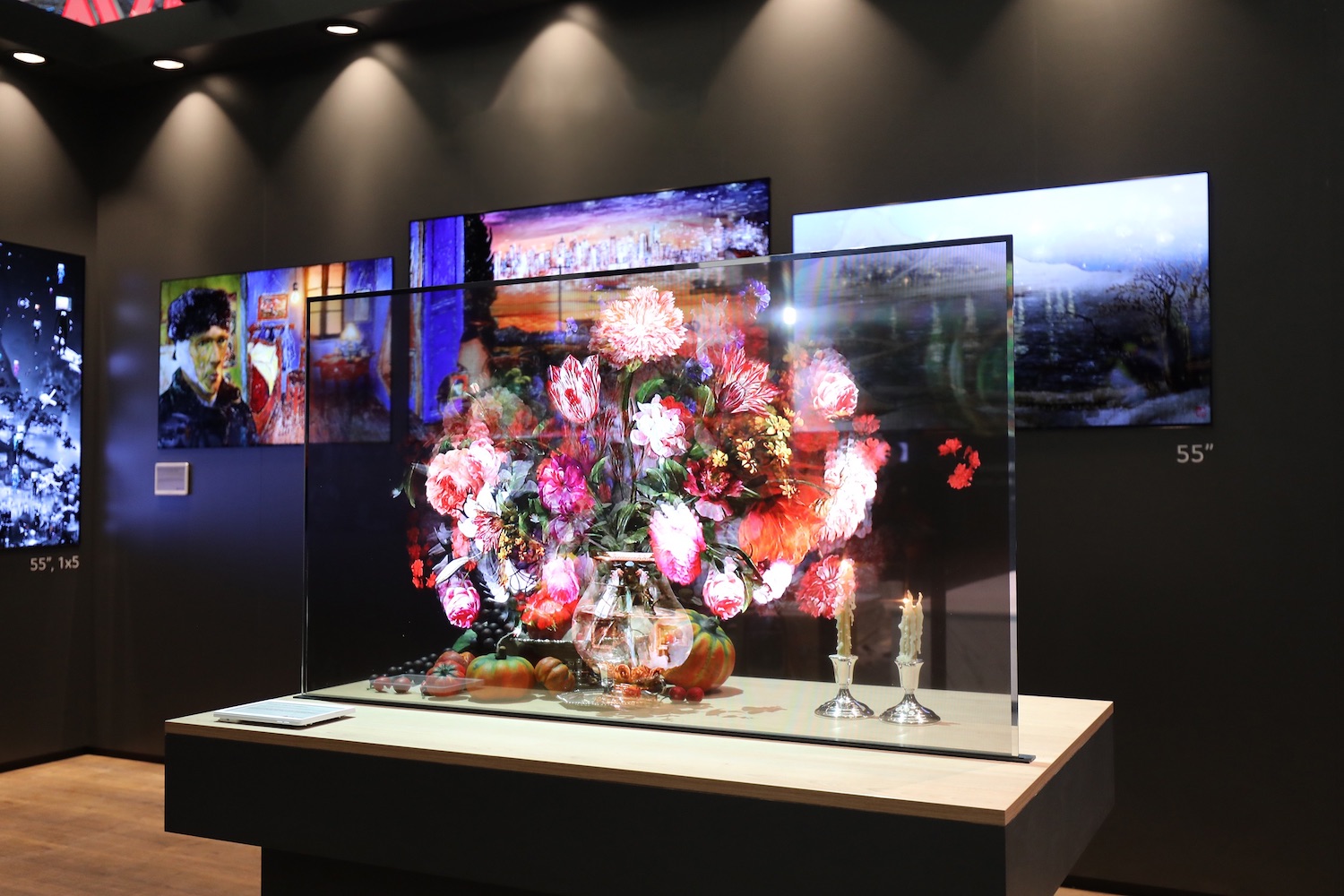
1. ಮ್ಯೂಝಿಯಮ್ಗಳಲ್ಲಿ ಒಎಲಿಡಿ ಪ್ರದರ್ಶಕಗಳು: ಕಲೆಯನ್ನು ಮತ್ತು ಸಂದರ್ಶಕರ ಪರಿಣಾಮವನ್ನು ಹೆಚ್ಚಿಸು
2. ಮ್ಯೂಝಿಯಮ್ಗಳು ಹೆಚ್ಚು ಹೆಚ್ಚು ಇತಿಹಾಸ ಮತ್ತು ಕಲೆಯ ಸಂಗ್ರಹಾಲಯಗಳಲ್ಲ; ಅವು ಹೊಸಗೊಂಡಿವೆ— 3. ಚಲಿಕೆಯಲ್ಲಿರುವ, ಅನುಭವಜನಕ ಮತ್ತು ಅನುಭವಾತ್ಮಕ ಜಾಗಳಾಗಿ 4. ಅವು ಅನುಭವಿಸುವವರನ್ನು ಅತ್ಯಾಧುನಿಕ ತಂತ್ರಜ್ಞಾನದಿಂದ ಆಕರ್ಷಿಸುತ್ತವೆ. ಅತ್ಯಂತ ಪರಿವರ್ತನಕಾರಿ ಆವಿಷ್ಕಾರಗಳಲ್ಲಿ ಒಲಂಬನ್ನು (ಆರ್ಗಾನಿಕ್ ಲೈಟ್ ಇಮಿಟಿಂಗ್ ಡೈಯೋಡ್) ಪ್ರದರ್ಶಕಗಳ ಉಪಯೋಗವೂ ಒಂದು. 5. . ಅವುಗಳ ಬಹುಮುಖವಾದ ದೃಷ್ಟಿಗಳಲ್ಲಿ, ಸಾಮರ್ಥ್ಯತೆ ಮತ್ತು ವಿದ್ಯುತ್ ಸಾಮರ್ಥ್ಯದಲ್ಲಿ, ಒಎಲಿಡಿ ಪ್ರದರ್ಶಕಗಳು ಮ್ಯೂಝಿಯಮ್ಗಳು ತಮ್ಮ ಪ್ರೇಕ್ಷಕರೊಂದಿಗೆ ಕೈಗೊಳ್ಳುವ ಪದ್ಧತಿಯನ್ನು ಪುನರ್ವ್ಯಾಖ್ಯಾನಿಸುತ್ತವೆ.6. ಈ ಲೇಖನದಲ್ಲಿ, ನಾವು ಮ್ಯೂಝಿ
In this article, we’ll explore the top applications of OLED displays in museums, their benefits, and how they’re shaping the future of cultural and educational spaces. Whether you’re a museum curator, a technology enthusiast, or simply curious about the intersection of art and innovation, this guide will provide valuable insights.
Why OLED Screens are Perfect for Museums
OLED technology has revolutionized the display industry, offering superior image quality, flexibility, and energy efficiency. Unlike traditional LED or LCD screens, OLED screens emit their own light, eliminating the need for a backlight. This results in deeper blacks, vibrant colors, and ultra-thin designs.
Here’s why OLED screens are ideal for museums:
- Unmatched Visual Quality: OLED screens deliver true blacks, infinite contrast ratios, and wide viewing angles, ensuring that every detail of an artwork or artifact is displayed with stunning clarity.
- Flexibility: OLED panels can be made ultra-thin, flexible, and even transparent, allowing museums to create unique and innovative displays.
- Energy Efficiency: OLED screens consume less power than traditional displays, making them a sustainable choice for museums.
- Durability: With no backlight and fewer components, OLED screens are more durable and longer-lasting than other display technologies.
- Design Freedom: OLED screens can be curved, folded, or even rolled1. , ಮ್ಯೂಜಿಯಮ್ಗಳಿಗೆ ತಮ್ಮ ಸರಕಾರಿಕತೆಯೊಂದಿಗೆ ಸಮನ್ವಯವಾಗಿರುವ ಪರಿಣಾಮಕಾರಿ ಪ್ರದರ್ಶನಗಳನ್ನು ಸೃಷ್ಟಿಸುವ ಸಾಧ್ಯತೆಯನ್ನು ಕಲ್ಪಿಸುತ್ತದೆ.
2. ಮ್ಯೂಜಿಯಮ್ಗಳಲ್ಲಿ ಒಎಲಿಡಿ ಸ್ಕ್ರೀನ್ಗಳ ಉಪಯೋಗದ ಮುಖ್ಯ ಅನ್ವಯಗಳು
3. 1. ಕಲಾವಿದ್ಯಾಂಶ ಮತ್ತು ಶಿಲ್ಪದ ಪ್ರದರ್ಶನವನ್ನು ಸುಧಾರಿಸುತ್ತದೆ
4. ಮ್ಯೂಜಿಯಮ್ಗಳಲ್ಲಿ ಒಎಲಿಡಿ ಸ್ಕ್ರೀನ್ಗಳ ಅತ್ಯಂತ ಸೂಕ್ಷ್ಮ ಉಪಯೋಗದಲ್ಲಿ ಒಂದು ಅನೇಕವಾದವುಗಳಲ್ಲಿ ಕಲಾವಿದ್ಯಾಂಶ ಮತ್ತು ಶಿಲ್ಪದ ಪ್ರದರ್ಶನವನ್ನು ಸುಧಾರಿಸುವುದು 5. ಕಲಾವಿದ್ಯಾಂಶ ಮತ್ತು ಶಿಲ್ಪದ ಪ್ರದರ್ಶನವನ್ನು ಸುಧಾರಿಸುತ್ತದೆ6. . ಪರಂಪರಾಗತ ಕಂಬಳಿಗಳ ಮತ್ತು ಸ್ಥಿರ ಪ್ರದರ್ಶನಗಳು ಪ್ರದರ್ಶನಗಳ ಮೊತ್ತಾದ ಮತ್ತು ಸುಂದರತೆಯನ್ನು ಮತ್ತು ಅನನ್ಯತೆಯನ್ನು ತಡೆಯುತ್ತವೆ. ಒಎಲಿಡಿ ಸ್ಕ್ರೀನ್ಗಳು, ಅವುಗಳ 7. ಪ್ರಕಾಶ, bring these displays to life.
- Digital Art: Museums can use OLED screens to showcase digital art collections with unparalleled color accuracy and contrast.
- High-Resolution Zoom: Visitors can explore the finest details of an artifact or painting by zooming in on high-resolution images displayed on OLED screens.
- Dynamic Lighting: OLED screens can simulate natural lighting conditions, allowing museums to display artworks as they were originally intended to be seen.
2. Immersive Environments
OLED screens are perfect for creating immersive environments that transport visitors to different worlds and eras.
- Curved and Flexible Displays: OLED screens can be bent or curved to create 360-degree immersive experiences. For example, a history museum could recreate an ancient battlefield, complete with lifelike visuals and soundscapes.
- Transparent OLEDs: Transparent OLED screens can be used to create 1. ಹೊಲೋಗ್ರಾಫಿಕ್ ಪ್ರದರ್ಶನಗಳು 2. ಅಥವಾ ಫಿಸಿಕಲ್ ಪ್ರದರ್ಶನಗಳ ಮೇಲೆ ಡಿಜಿಟಲ್ ಮಾಹಿತಿಯನ್ನು ಓವರ್ಲೇ ಮಾಡಿ, ಸಹಯೋಗಾತ್ಮಕತೆ ಮತ್ತು ಗಾತ್ರವನ್ನು ಹೆಚ್ಚಿಸುತ್ತದೆ.
3. 3. ಸಹಯೋಗಾತ್ಮಕ ಕಥೆಯಾಚರಣೆ
4. OLED ಸ್ಕ್ರೀನುಗಳು ಅನುಮತಿಸುತ್ತವೆ 5. ಸಹಯೋಗಾತ್ಮಕ ಕಥೆಯಾಚರಣೆ6. , ಸಂಗ್ರಹಾಲಯ ಸನ್ದರ್ಶನಗಳನ್ನು ಹೆಚ್ಚು ಸಹಯೋಗಾತ್ಮಕ ಮತ್ತು ಶಿಕ್ಷಣಾತ್ಮಕ ಮಾಡುತ್ತದೆ.
- 7. ಟಚ್ಸ್ಕ್ರೀನ್ ಪ್ರದರ್ಶನಗಳು8. : OLED ಟಚ್ಸ್ಕ್ರೀನುಗಳು ಸನ್ದರ್ಶಕರಿಗೆ ತಮ್ಮ ಗತಿಯಲ್ಲಿ 9. ಸಹಯೋಗಾತ್ಮಕ ಕಾಲಗಣನೆಗಳು, ನಕ್ಷೆಗಳು ಮತ್ತು ಇನ್ಫೋಗ್ರಾಫಿಕ್ಗಳನ್ನು ಅನ್ವೇಷಿಸಲು ಅನುಮತಿಸುತ್ತವೆ. 10. ಅವರ ತಮ್ಮ ಗತಿಯಲ್ಲಿ.
- 11. ಮೇಲುಕ್ಕಳಿನ ವಿಶ್ವಕೋಶ (AR)12. : OLED ಸ್ಕ್ರೀನುಗಳು AR ತಂತ್ರಜ್ಞಾನವನ್ನು ಸಂಕಲಿಸಿಕೊಂಡು 13. ಡಿಜಿಟಲ್ ಮಾಹಿತಿಯನ್ನು ಫಿಸಿಕಲ್ ಪ್ರದರ್ಶನಗಳ. For instance, pointing a smartphone at a dinosaur skeleton could reveal a 3D animation of how the dinosaur moved.
- Gamification: Museums can use OLED screens to create educational games and quizzes, making learning fun for visitors of all ages.
4. Dynamic Wayfinding and Information Displays
Navigating large museums can be challenging for visitors. OLED screens can serve as dynamic wayfinding tools, helping guests find their way around with ease.
- Interactive Maps: Large-format OLED screens can display interactive maps that highlight key exhibits, amenities, and events.
- Real-Time Updates: OLED screens can provide real-time information about exhibit schedules, guided tours, and special events.
- 1. ಬಹುಭಾಷಾ ಮದ್ದತು2. : OLED ಸ್ಕ್ರೀನುಗಳು ಬಹುಧರ್ಮಿಯ ಭಾಷೆಗಳಲ್ಲಿ ಮಾಹಿತಿಯನ್ನು ಪ್ರದರ್ಶಿಸಬಹುದು 3. , ಇದು ಮ್ಯೂಸಿಯಮ್ಗಳನ್ನು ಅಂತರಾಷ್ಟ್ರೀಯ ಸನ್ದರ್ಶಕರಿಗೆ ಹೆಚ್ಚು ಲಭ್ಯವಾಗಿಸುತ್ತದೆ.4. 5. ತಾತ್ಕಾಲಿಕ ಮತ್ತು ಚಕ್ರಾಕ್ಷರ ಪ್ರದರ್ಶನಗಳು
5. ಮ್ಯೂಸಿಯಮ್ಗಳು ತಾತ್ಕಾಲಿಕ ಪ್ರದರ್ಶನಗಳನ್ನು ಆಯೋಜಿಸುತ್ತವೆ
6. ಇವುಗಳನ್ನು ಬದಲಾಯಿಸಿದರೆ ಪ್ರದರ್ಶನವನ್ನು ಸಮರ್ಥವಾಗಿ ಪ್ರದರ್ಶಿಸಬಹುದು. OLED ಸ್ಕ್ರೀನುಗಳು ಈ ಕಾರ್ಯಕ್ಕೆ ಯೋಗ್ಯವಾಗಿವೆ, ಎಂದರೆ ಅವು ಸುಲಭವಾಗಿ ಕೊತ್ತರವನ್ನು ನವೀಕರಿಸಬಹುದು. 7. ಡಿಜಿಟಲ್ ಗ್ಯಾಲರಿಗಳು 8. : ಚಿತ್ರಗಳನ್ನು ಮುದ್ರಿಸಿ ಫ್ರೇಮಿಂಗ್ ಮಾಡುವಿಕ್ಕಿಂತಲೂ ಮ್ಯೂಸಿಯಮ್ಗಳು OLED ಸ್ಕ್ರೀನುಗಳನ್ನು ಬಳಸಿ
- 9. ಡಿಜಿಟಲ್ ಗ್ಯಾಲರಿಗಳನ್ನು ಪ್ರದರ್ಶಿಸಬಹುದು10. ಇವುಗಳನ್ನು ಕೆಳಗಿನ ಕ್ಲಿಕ್ಗಳಿಂದ ಬ digital galleries that can be changed with a few clicks.
- Cost-Effective Solutions: OLED screens eliminate the need for physical materials, reducing costs and environmental impact.
6. Sustainability and Energy Efficiency
As museums strive to become more sustainable, OLED screens offer an eco-friendly alternative to traditional displays.
- Low Power Consumption: OLED screens consume significantly less energy than traditional lighting and display systems.
- Long Lifespan: With a lifespan of up to 100,000 hours, OLED screens reduce the need for frequent replacements, minimizing waste.
- Recyclable Materials: Many OLED screens are made from recyclable materials, further reducing their environmental impact.
7. Accessibility and Inclusivity
OLED screens can make museums more accessible and inclusive for all visitors, including those with disabilities.
- Audio Descriptions1. : ಒಎಲಡಿ ಸ್ಕ್ರೀನುಗಳು ಪ್ರದರ್ಶಿಸಬಹುದು 2. ವಾಚಕ ಅಸರಾಜಕಾರದ ವಿವರಣೆಗಳು 3. ದೃಷ್ಟಿಪರವಾಗಿ ಅಸರಾಜಕಾರ ಮತ್ತು ಶ್ರವಣದಲ್ಲಿ ಪರಿಣಾಮಕಾರಿಯಾದ ಪ್ರದರ್ಶನವನ್ನು ಒದಗಿಸುತ್ತವೆ.
- 4. ಸೈನ್ ಭಾಷೆ ವಿಡಿಯೋಗಳು5. : ಮ್ಯೂಸಿಯಮ್ಗಳು OLED ಸ್ಕ್ರೀನುಗಳನ್ನು ಬಳಸಿ 6. ಸೈನ್ ಭಾಷೆ ವಿಡಿಯೋಗಳನ್ನು ಪ್ರದರ್ಶಿಸಬಹುದು7. , ಕಾಣುತ್ತಿರುವ ಶ್ರವಣದಲ್ಲಿ ಪರಿಣಾಮಕಾರಿಯಾದ ಪ್ರದರ್ಶನವನ್ನು ಒದಗಿಸುತ್ತವೆ.
- 8. ಸಂಯಮಿತ ಕಂಪನಿ9. : OLED ಸ್ಕ್ರೀನುಗಳು ಕಾಣುತ್ತಿರುವ ಶ್ರವಣದಲ್ಲಿ ಪರಿಣಾಮಕಾರಿಯಾದ ಪ್ರದರ್ಶನವನ್ನು ಒದಗಿಸುತ್ತವೆ.
10. ಮ್ಯೂಸಿಯಮ್ಗಳಿಗೆ ಯೋಗ್ಯವಾದ OLED ಸ್ಕ್ರೀನುಗಳನ್ನು ಎಂಚುವ ವಿಧಾನ
11. ಮ್ಯೂಸಿಯಮ್ಗಳಿಗೆ OLED ಸ್ಕ್ರೀನುಗಳನ್ನು ಎಂಚುವಾಗ ಈ ಕಾರಣಗಳನ್ನು ಪರಿಗಣಿಸಿ:
- 12. ರಿಜಲೂಷನ್13. : ಅತ್ಯುತ್ತಮ ದೃಷ್ಟಿಗಾಣಕದ ಗುಣಮಟ್ಟದ ಸ್ಕ್ರೀನ 4K or 8K resolution for the best visual quality.
- 10. ಸ್ಫಟಿಕತೆ: Opt for screens with high brightness levels to ensure visibility in well-lit environments.
- Flexibility: Look for screens that can be customized into unique shapes and configurations.
- Interactivity: Consider touchscreen or motion-sensing capabilities for interactive exhibits.
- Durability: Ensure the screens are built to withstand heavy usage and environmental factors.
Conclusion: The Future of Museums is OLED
OLED screens are transforming museums into 3. ಚಲಿಕೆಯಲ್ಲಿರುವ, ಅನುಭವಜನಕ ಮತ್ತು ಅನುಭವಾತ್ಮಕ ಜಾಗಳಾಗಿ that captivate and educate visitors like never before. From enhancing exhibits to creating fully immersive environments, the possibilities are endless.
At ಲೀನ್ಹಾನ್, we specialize in providing cutting-edge OLED solutions ಮ್ಯೂಜಿಯಮ್ಗಳ ಅನ್ನುವರ್ಣ ಅವಶ್ಯಕತೆಗಳಿಗೆ ಅನುಕೂಲವಾಗಿ. ಮತ್ತೆಯೊಂದು ಅದ್ಭುತವಾದ ಡಿಜಿಟಲ್ ಕಲಾ ಪ್ರದರ್ಶನ ಅಥವಾ ಸಹಜವಾಗಿರುವ ದಿಕ್ಕುನಿರ್ದೇಶಕ ಸಿಸ್ಟಮ್ ಸೃಷ್ಟಿಸಲು ನೀವು ಹೋಗಿರಬಹುದು ಎಂದಿಲ್ಲ, ನಾವು ನಿನಗೆ ನಿನಗರ ದೃಷ್ಟಿಕೋಣವನ್ನು ಜೀವಂತಪಡಿಸುವಂತೆ ಸಹಾಯಿಸುತ್ತೇವೆ.