
1. Lynnhan – მეტროლოგიური მომსახობელი | LED/OLED/LCD/E-paper დიდი ნიშნები
2. Lynnhan – მეტროლოგიური მომსახობელი | LED/OLED/LCD/E-paper დიდი ნიშნები
1. Lynnhan – მეტროლოგიური მომსახობელი | LED/OLED/LCD/E-paper დიდი ნიშნები
2. Lynnhan – მეტროლოგიური მომსახობელი | LED/OLED/LCD/E-paper დიდი ნიშნები
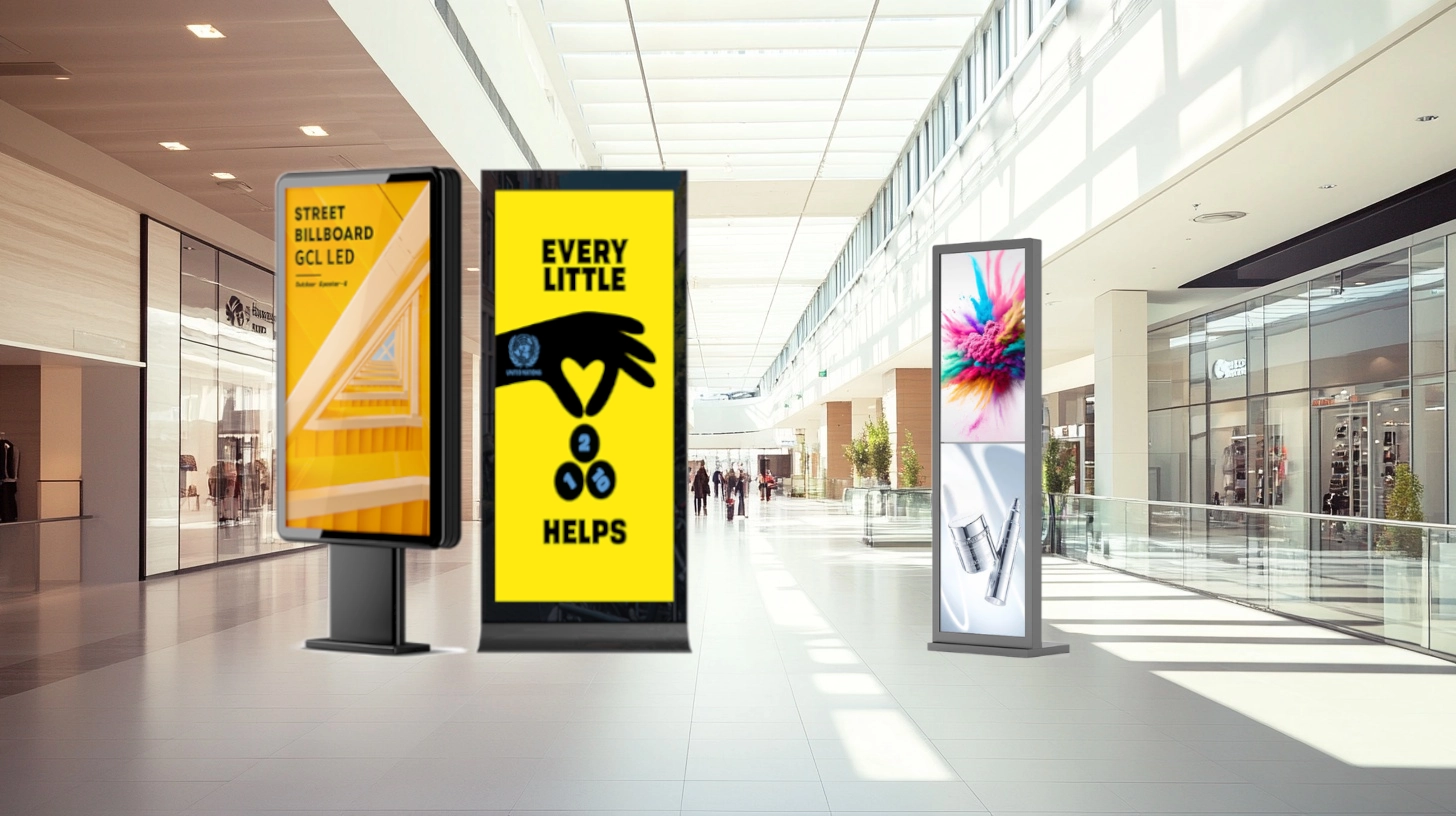
1. LED და OLED დიგიტალური ეკრანი: რომელი აიცილოს თქვენი საქმიანობისთვის
2. დიგიტალური სახელოსნოს სამყაროში, 3. LED and 2. OLED 3. ეკრანები უმეტესად დამპროცესირებული ტექნოლოგიებია. ორიცაა წარმოადგენს დამოკიდებულების სინათლის და უნიკალური პრობლემების გადაჭრა, მაგრამ ისინი მისდევენ განსხვავებულ მოთხოვნებებს და გამოყენების შემთხვევებს. თუ თქვენ მოიძებნათ თანამშრომლის გაზრდა, ინტერაქტიული გამოცდილების შექმნა ან ბრენდის ვიზუალური მისაღწევი, აღმოჩენა LED და OLED დიგიტალური ეკრანების შორის შორის განსხვავებები კრიტიკულია. ამ პოსტში, ჩვენ ჩამოყალიბებობთ მონაცემებს, პრობლემებს და აპლიკაციე
What is an LED Digital Display?
An LED (Light Emitting Diode) digital display uses an array of tiny LEDs to create bright, vibrant images. These displays are known for their high brightness, energy efficiency, and durability, making them ideal for both indoor and outdoor environments.
Key Features of LED Digital Displays:
- 8. მაღალი სიმაღლე: Excellent visibility even in direct sunlight, perfect for outdoor use.
- Energy Efficiency: Consumes less power compared to traditional displays.
- Durability: Resistant to weather conditions, making them suitable for outdoor installations.
- Customizable Sizes: Can be built in large sizes for high-impact displays.
Applications of LED Digital Displays:
- Outdoor Advertising: Billboards, transit stations, and public spaces.
- Retail: Product showcases and promotional displays.
- Events: Dynamic wayfinding and information hubs.
- Hospitality: Outdoor check-in displays and concierge services.
What is an OLED Digital Display?
An OLED (Organic Light Emitting Diode) digital display uses organic compounds that emit light when an electric current is applied. These displays are known for their exceptional color accuracy, contrast, and flexibility, making them ideal for high-end indoor applications.
Key Features of OLED Digital Displays:
- Exceptional Color Accuracy: Delivers true-to-life colors and deep blacks.
- High Contrast Ratio: Superior contrast for more vivid and dynamic visuals.
- Flexibility: Can be made into ultra-thin, flexible, or even curved displays.
- 3. სანიერო კუთხეები: Maintains color and brightness even at extreme angles.
Applications of OLED Digital Displays:
- Retail: High-end product showcases and brand storytelling.
- Corporate: Executive boardrooms and high-impact presentations.
- Hospitality: Luxury hotel lobbies and restaurant ambiance.
- Entertainment: Home theaters and gaming setups.
LED vs OLED Digital Display: Key Differences
| 4. ფეატურა | LED Digital Display | OLED Digital Display |
|---|---|---|
| 10. ბლინდობა | High (ideal for outdoor use) | Moderate (best for indoor use) |
| 1. ფერის აკურატობა | Good | Exceptional |
| Contrast Ratio | Good | Superior |
| Flexibility | Rigid | Flexible and thin |
| Energy Efficiency | Highly energy-efficient | Moderate energy consumption |
| 11. ხარჯი | Lower (more affordable for businesses) | Higher (due to advanced technology) |
| 8. ცხოვრების ხანგრძლივობა | Longer lifespan (50,000+ hours) | Shorter lifespan (30,000-50,000 hours) |
Benefits of LED Digital Displays
- Superior Brightness: Perfect for outdoor environments with high ambient light.
- Durability: Built to withstand harsh weather conditions.
- Energy Efficiency: Lower power consumption reduces operational costs.
- Customizability: Can be designed in large sizes for maximum impact.
Benefits of OLED Digital Displays
- Exceptional Color Accuracy: Delivers true-to-life colors and deep blacks.
- High Contrast Ratio: Superior contrast for more vivid and dynamic visuals.
- Flexibility: Can be made into ultra-thin, flexible, or even curved displays.
- 3. სანიერო კუთხეები: Maintains color and brightness even at extreme angles.
Which Should You Choose: LED or OLED Digital Display?
The choice between an LED digital display and an OLED digital display depends on your specific needs and environment. Here’s a quick guide to help you decide:
- Choose an LED Digital Display if:
- You need a display for outdoor use or high-brightness environments.
- 1. დურაბილობა და მოსნაცვლების დაცვა პრიორიტეტია.
- 2. თქვენ გრძნობს დიდ და მძლოვან ეკრანს როგორც რეკლამას, ან ბრენდინგისთვის.
- 3. აიცვალით OLED დიჯიტალური ეკრანი, მისივე:
- 4. თქვენი აპლიკაცია ძირითადად საშოვლიოშია.
- 5. თქვენს საჭიროებს მაღალ რეზოლუციის, მონაცვლების დეტალურობა ახლო ნახვისთვის.
- 6. ბიუჯეტური შეზღუდვები მოითხოვს დაეთვისონ.
7. რეალობის მაგალითები
- 8. LED დიჯიტალური ეკრანი მოქმედება9. : საცხოვრებელი ცენტრი აგზავნის LED დიჯიტალურ ეკრანს საბაგნოში, სადაც მომხმარებლებს შესაძლებლობა ენახვათ ინტერაქტიული რუკები და რეკლამური კონტენტი, რომელიც მოიცავს აჭალო სინათლე.
- 10. OLED დიჯ: A luxury hotel uses OLED displays in its lobby to create an immersive and visually stunning experience for guests.
Future Trends in Digital Displays
As technology advances, both LED and OLED digital displays are evolving to meet the demands of modern businesses. Here are some trends to watch:
- Touchless Technology: Gesture-based controls and voice recognition for enhanced hygiene and convenience.
- AI Integration: Smart displays with AI-powered recommendations and personalized interactions.
- 4K and 8K Displays: Higher resolution for both LED and OLED displays, delivering stunning visuals.
- IoT Connectivity: Networked displays for real-time updates and data collection.
Conclusion
Both LED digital displays and OLED digital displays offer unique advantages, and the right choice depends on your specific requirements. LED displays excel in outdoor and high-brightness environments, while OLED displays are ideal for indoor applications with high-resolution needs.
At Lynn Han, we specialize in providing cutting-edge LED and OLED solutions tailored to your business. Whether you need a durable outdoor LED display or a sleek indoor OLED display, we’ve got you covered. Contact us today to explore how we can help you elevate your customer experience with the latest digital display technology!