
1. Lynnhan – მეტროლოგიური მომსახობელი | LED/OLED/LCD/E-paper დიდი ნიშნები
2. Lynnhan – მეტროლოგიური მომსახობელი | LED/OLED/LCD/E-paper დიდი ნიშნები
1. Lynnhan – მეტროლოგიური მომსახობელი | LED/OLED/LCD/E-paper დიდი ნიშნები
2. Lynnhan – მეტროლოგიური მომსახობელი | LED/OLED/LCD/E-paper დიდი ნიშნები
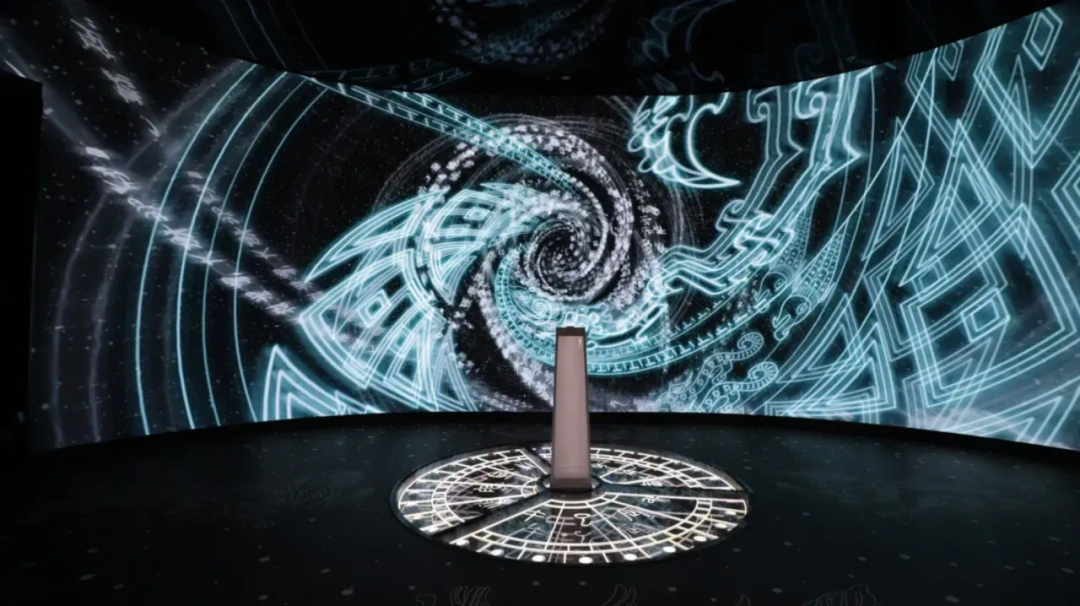
1. ლედ ეკრანები მუზეუმებში: ბიძგავს ბილეთებს ბილანს
2. მუზეუმები დამოუკიდებელ დროს იყვნენ ისტორიის, ხელოვნებისა და კულტურის მცადევლები. თუმცა, ამჟამინდელ დიჯიტალურ ხანგროვნებაში, ბილეთის მფლობელები მხოლოდ სტატიკურ დამონტაჟებსა და მინიატურ სახლებს ვერ მოითხოვენ. მათ სურს 3. ინტერაქტიული, დაპირისპირო და მონაწილეობას მოითხოვენ4. . აქედან იწყება 5. ლედ ეკრანები 6. რომლებიც, თავიანთი დიდობრობით, თანამედროვე ტექნოლოგიით და ვერცხლისფერ ვიზუალური გამოსახულებით, რევოლუციას ატარებენ მუზეუმების მოქმედების და მათ მოსასმენი საზოგადოებასთან მითხოვნილი მონაცემების
7. ამ სტატიაში, ჩვენ გაეცვლით top applications of LED screens in museums9. უმწვანო გამოყენ
Why LED Screens are a Game-Changer for Museums
LED (Light Emitting Diode) screens have become a cornerstone of modern display technology. Their high brightness, energy efficiency, and flexibility make them ideal for a wide range of applications, from retail to sports arenas. But museums, in particular, are finding innovative ways to leverage LED technology to enhance visitor experiences.
Here’s why LED screens are a perfect fit for museums:
- Superior Visual Quality: LED screens offer 4K and even 8K resolution, ensuring that every detail of an artwork or artifact is displayed with stunning clarity.
- Customizable Sizes and Shapes: LED panels can be configured into curved walls, cylindrical displays, or even ceilings, allowing museums to create unique and immersive environments.
- Energy Efficiency: Modern LED screens consume significantly less power than traditional displays, aligning with the growing demand for sustainable solutions.
- Durability: LED screens are built to last, with a lifespan of up to 25. qədər ömürlə malik olan OLED əcrənalar, tez-tez dəyişdirilmə tələbini azaldır, atılmış məhsulların miqdarını minimallaşdırır., making them a cost-effective long-term investment.
- Interactivity: Touchscreen and motion-sensing LED displays enable interactive experiences, making learning more engaging for visitors.
Top Applications of LED Screens in Museums
1. Enhanced Exhibits and Digital Art Displays
One of the most common uses of LED screens in museums is to enhance exhibits1. ტრადიციული დისპლეიები ხშირად არ ხელს უშლიან არტეფაქტების ან ხელოვნების ნივთების სრული სიღრმესა და დეტალებს. სხვა მხრივ, LED ეკრანები შესაძლოს გამოსაცემი მაღალ რეზოლუციის სურათებს, ვიდეოებს და ანიმაციებს, 2. რომლებიც სანაცვლოდ ატარებენ მათ. 3. ამის შედეგად დაცვილობს გამოფენებს.
4. მაგალითობით:
- Digital Art5. : მუზეუმები შესაძლოს დიდი ფერებით და დინამიური ვიზუალური მონაცემებით დიდი ხელოვნების კოლექციების დიგიტალური გამოსაცემი, რაც ტრადიციული კანვასებით შესაძლოა.
- 6. ისტორიული რეენაციები7. : LED ეკრანები შესაძლოს ანიმირებული ისტორიული შემთხვევების გადაცემა, 8. რომლებიც ბეჭდის გ, giving visitors a deeper understanding of the past.
- Zoomable Displays: Visitors can explore intricate details of artifacts by zooming in on high-resolution images displayed on LED screens.
2. Immersive Environments
Imagine stepping into a museum and being transported to an ancient civilization, a futuristic city, or even outer space. LED screens make this possible by creating fully immersive environments.
- LED Walls and Ceilings: By covering entire walls or ceilings with LED panels, museums can create 360-degree immersive experiences. For instance, a natural history museum could recreate a prehistoric jungle, complete with lifelike visuals and soundscapes.
- Virtual Reality (VR) Integration: LED screens can be combined with VR technology to create interactive, multi-sensory experiences that captivate visitors.
5. OLED-ეკრანები ანიჭებენ
Gone are the days when museums relied solely on placards and audio guides to tell stories. LED screens enable 7. , დამუზეუმის სასვლელის გამართული და განათლებით მომსახურება., allowing visitors to engage with content in a more meaningful way.
- 10. : OLED ტუჩსკრენები მოიპოვებენ სამონაკვეთო მომხმარებლებს ინტერაქტიულ ხანჯირების, ბაზარებისა და ინფოგრაფიკების: Visitors can explore interactive timelines, maps, and infographics at their own pace.
- Augmented Reality (AR): LED screens can be used in conjunction with AR apps to overlay digital information onto physical exhibits. For example, pointing a smartphone at a dinosaur skeleton could reveal a 3D animation of how the dinosaur moved.
- Gamification: Museums can use LED screens to create educational games and quizzes, making learning fun for visitors of all ages.
4. Dynamic Wayfinding and Information Displays
Navigating large museums can be challenging for visitors. LED screens can serve as dynamic wayfinding tools, helping guests find their way around with ease.
- Interactive Maps: Large-format LED screens can display interactive maps that highlight key exhibits, amenities, and events.
- Real-Time Updates: LED screens can provide real-time information 2. əsəblər vaxtı, qイド turları və xüsusi tədbirlər haqqında məlumat.
- 3. Çoxlu dilləri dəstəkləmə1. : ლედ ეკრანები შესაძლობელია აღმოჩინოს ინფორმაცია 5. çoxlu dillərdə göstərə bilərlər6. , muzeyləri beynəlxalq ziyarətçilərə daha çox əlçatan edir.
7. 5. Tə暂时ni və Dövrəvi Sərgilər
8. Muzeylər çox vaxt 9. tə暂时ni sərgilər 2. რომლებსაც საჭიროა გაძლიერებული ეკრანის გადაწერის გადაწყვეტილება. ლედ ეკრანები პირადად დაისახება ამ მიზნისთვის, რომლებიც საშუალებას გვძენს ახალი შინაარსის ახალგაზრდობაში.
- 11. Dijital Qalereyalar3. : ადგილის მონაცვლების გამოსაქვეყნებლად და ფრამის დანაყოფის ადგილის მონაცვლების გამოსაქვეყნებლად, მუზეუმები ლედ ეკრანებს შესაძლობელია გამოიყენოს აღმოჩენის 13. digital qalereyalar 14. göstərə bilərlər ki, bir neçə klik ilə dəyişdirilə bilər.
- 15. Məhsuldar Çözümlər4. : ლედ ეკრანები ფიზიკური მასალების საჭიროების გაუქმებას აძლევს, შემოიმატებს ხარჯებს და გარემოს შედეგს.
17. 6. Uzunömürlülük və Enerji Etkiliyyatı
5. მუზეუმების მიერ სტერეოტიპულობის მოძრაობის დასტურდებისთვის, ლედ ეკრ 19. ekoloji dostu alternativ 20. klassik göstəricilərə təklif edir.
- 21. Az Enerji Qəbulu: LED screens consume significantly less energy than traditional lighting and display systems.
- 23. Uzun Ömür24. : 100,000 saat 25. qədər ömürlə malik olan OLED əcrənalar, tez-tez dəyişdirilmə tələbini azaldır, atılmış məhsulların miqdarını minimallaşdırır., LED screens reduce the need for frequent replacements, minimizing waste.
- 27. : Çoxlu OLED əcrənalar tərəqqibatlı materiallardan hazırlanır, onların çevrə təsirini azaldır.: Many LED screens are made from recyclable materials, further reducing their environmental impact.
29. OLED əcrənalar muzeyləri daha
LED screens can make museums more 1. გამოხადება და შესაძლებელობა 2. ყველა სესხისტყველს, მონაწილეობას მიიღებს დამოუკიდებელი სიძულვილით.
- 3. აუდიო აღწერები: LED screens can display 5. ტექსტი და აუდიო აღწერები 6. განსichtbehinderte Besucher.
- 7. ხელოვნური ენის ვიდეო: Museums can use LED screens to show 9. ხელოვნური ენის ვიდეო10. , მისცემს გამოფენებს სიმკლავეს სიმეტელი მოსამძლავე საღებრო მოსამძლავე საღებრო მოსამძლავე საღებრო მოსამძლავე საღებრო მოსამძლავე საღებრო მოსამძლავე საღებრო მოსამძლავე საღებრო მოსამძლავე საღებრო მოსამძლავე საღებრო მოსამძლავე საღებრო მოსამძლავე საღებრო მოსამძლავ
- Adjustable Brightness: LED screens can be adjusted to suit the needs of visitors with light sensitivity.
Case Studies: LED Screens in Action
1. The Louvre, Paris
The Louvre has embraced LED technology to enhance its exhibits and provide visitors with a more immersive experience. For example, the museum uses large-format LED screens to display high-resolution images of famous artworks, allowing visitors to explore every brushstroke in detail.
2. The Smithsonian, Washington D.C.
The Smithsonian has integrated interactive LED displays into its exhibits, enabling visitors to engage with content in new and exciting ways. For instance, the National Museum of Natural History uses LED screens to create animated recreations of prehistoric ecosystems.
3. The Van Gogh Museum, Amsterdam
The Van Gogh Museum has used LED screens to create immersive digital art installations that bring Van Gogh’s paintings to life. Visitors can step into a 360-degree recreation of “Starry Night”, complete with animated stars and swirling clouds.
How to Choose the Right LED Screens for Your Museum
When selecting LED screens for your museum, consider the following factors:
- Resolution: Choose screens with 4K or 8K resolution for the best visual quality.
- 10. ბლინდობა: Opt for screens with high brightness levels to ensure visibility in well-lit environments.
- Flexibility: Look for screens that can be customized into unique shapes and configurations.
- Interactivity: Consider touchscreen or motion-sensing capabilities for interactive exhibits.
- Durability: Ensure the screens are built to withstand heavy usage and environmental factors.
მოსასრულებლო: მუზეუმების ბიძგი LED-სა
LED ეკრანები გარდაიქმნება მუზეუმებს 3. მოძრაობად, ინტერაქტიულ და ინმერსიულ სივრცედ რომლებიც საგრძნობია და განათლებით მომხილევანს, როგორც არასად წინასწარ. პარადოქსისაგან გამოყოფილი გამოფენების გასაუმჯობესებლად და მთლიანად გამოცდილებით გამოსაცდელ გარემოებების შექმნით, შესაძლებლობები უკვე არ არის ინგრძლება.
At ლინჰანი, we specialize in providing დათვალიერებელი LED მომენტები მუზეუმების უფროს საკმაობის მიხედვით. თუ მოიძებნით მოკლებული დიჯიტალური ხელოვნების დისპლეის შექმნა ან ინტერაქტიული მოძებნის სისტემა, ჩვენ მოვახელს სურვილი გადატანოთ ცხოვრებაში.