
1. Lynnhan – მეტროლოგიური მომსახობელი | LED/OLED/LCD/E-paper დიდი ნიშნები
2. Lynnhan – მეტროლოგიური მომსახობელი | LED/OLED/LCD/E-paper დიდი ნიშნები
1. Lynnhan – მეტროლოგიური მომსახობელი | LED/OLED/LCD/E-paper დიდი ნიშნები
2. Lynnhan – მეტროლოგიური მომსახობელი | LED/OLED/LCD/E-paper დიდი ნიშნები
1. რეალური 3D და 3D ილუზია: რა განსხვავებაა LED ეკრანებში?
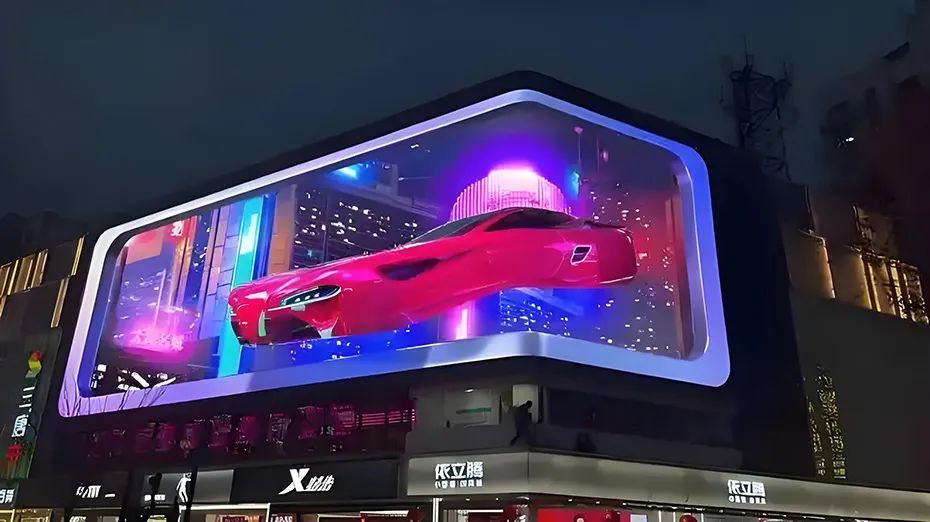
2. დიდი მწვანე მოძრაობის სამყაროში, როგორც დიგიტალური რეკლამა, ტერმინები, როგორც „3D LED ბილბორდი“, ხშირად გამოიყენება, რომ აღწერონ მოსაზილო ეკრანებს, რომლებიც მოსახერხება, თუმცა რა ნიშნავს „3D“ ამ კონტექსტში? არის რეალური 3D ტექნოლოგია 3. ან ეს სწორედ 3D ილუზია4. რომელიც შექმნილია მოთხოვნილი კონტენტის დიზაინით? განასხვავება მნიშვნელოვანია ბიზნესისთვის, რეკლამერებისთვის და ტექნოლოგიის მოყვარეებისთვის. ამ პოსტში ჩვენ გაწივლივდებით რეალური 3D 5. და 3D ილუზია LED სათავსებლების 6. მსოფლიაში, სადაც ჩვენ მოვალდებულიყვნები გა true 3D vs. 3D illusion LED walls, exploring how they work, their advantages, limitations, and which one might be right for your needs.
What Is True 3D in LED Displays?
True 3D LED displays use advanced hardware to create a stereoscopic effect, meaning they deliver different images to each eye, simulating depth and making the content appear three-dimensional. This is achieved through technologies like:
- Parallel Barriers: Physical barriers are placed in front of the LED display to direct different images to each eye. This creates a sense of depth but requires the viewer to be in a specific position (the “sweet spot”) to experience the effect.
- Lenticular Lenses: These are arrays of tiny lenses placed over the LED screen that refract light in different directions, allowing each eye to see a slightly different image. While effective, this technology is challenging to scale for large billboards.
- Volumetric Displays: These displays use multiple layers of LEDs or projection systems to create a true 3D image with depth. However, this technology is still in its early stages and is not yet practical for large-scale outdoor advertising.
Key Features of True 3D Displays
- Hardware-Driven: Requires specialized hardware like barriers, lenses, or layered displays.
- Stereoscopic Effect: Delivers different images to each eye for a genuine 3D experience.
- Immersive Experience: Creates a sense of depth that feels real and tangible.
Challenges of True 3D Displays
- High Cost: The hardware required is expensive and complex to manufacture.
- 1. შემცვლელობის შეზღუდვები2. : ნამდვილი 3D ეკრანებისთვის სპეციალური შინაარსი საჭიროა, რომელიც ჰარდვეარისთვის დამტკიცებულია, რაც შემოსაზღვრავს განთავისუფლებას და ამავე დროს ზრდის პროდუქციის ხარჯებს.
- 3. ნახვის კუთხის შეზღუდვები4. : 3D ეფექტი ხშირად მხოლოდ სპეციფიური კუთხიდან მუშაობს, რაც შემცირებს გამოყენებადობას გარკვეულ აუდიტორიუმისთვის.
- 5. სიზიანობისა და მკლავობის პრობლემები6. : ბარიერებისა და ლენსების დამატება შეიძლება შემოწმებს ეკრანის სიზიანობას და მკლავობას, რაც იმის შედეგად, ჩვეულებრივად განაკვეთილს აქცევს მის მოქმედებას საღამო მიწაზე.
7. ამ დავალებ
What Is a 3D Illusion in LED Walls?
Most so-called “3D LED billboards” are actually 2D LED walls that use clever content design to create the illusion of depth. These displays rely on techniques like:
- Parallax Effects: By moving different layers of the content at different speeds, designers can create a sense of depth. For example, foreground elements move faster than background elements, mimicking how objects appear to move in real life.
- Perspective Shifts: Content is designed to change perspective as the viewer moves, creating the illusion that the display is three-dimensional.
- Motion Graphics: Dynamic animations and motion effects can trick the brain into perceiving depth where there is none.
- High Refresh Rates and Brightness: Modern LED walls have high refresh rates and brightness levels, making the content appear more vivid and lifelike.
Key Features of 3D Illusion LED Walls
- Content-Driven: Relies on creative content design rather than specialized hardware.
- Cost-Effective: Uses standard LED technology, making it more affordable to produce and maintain.
- Flexible Content: Content can be easily updated or changed without requiring specialized hardware or software.
- 3. სანიერო კუთხეები: The 3D effect can be designed to work from multiple angles, making it accessible to a larger audience.
Advantages of 3D Illusion LED Walls
- Affordability: Much cheaper to produce and maintain compared to true 3D displays.
- Scalability1. : შესაძლოა შემდგარება მნიშვნელოვნად ყველა ზომის, რაც მას უფრო მდიდარ გარეგან რეკლამად პირობითულად გადაწყვეტილი.
- Ease of Use2. : შემოქმედება და მათი განახლება შესაძლოა შესაბამის იარაღებისა და პროგრამული უზრუნველყოფით.
- 3. აუდიტორიის მოხსნა4. : 3D ეფექტი შესაძლოა დასარტყმელიყო მრავალი მიმართულებით, რაც საშუალებას აძლევს დამატებით დიდ აუდიტორიას ექსპერიმენტის მონაწილეობა.
5. 3D ილუზიის LED სადიდოების შემცირებულობები
- 6. არ არის ნამდვილი 3D7. : ეფექტი მხოლოდ ვიზუალურია და მიარევს მკითხვის შეხედულებას. ის არ აძლევს ნამდვილ სტერეო 3D გამოცდას.
- 8. დამოკიდებულია შემოქმედების ხარისხზე: The effectiveness of the 3D illusion depends heavily on the quality of the content design. Poorly designed content may fail to create a convincing effect.
- Sweet Spot Dependency: While some designs work from multiple angles, the most impressive effects are often only visible from a specific viewpoint.
Why the Confusion Exists
The confusion between true 3D and 3D illusion LED displays stems from marketing. Many companies use the term “3D LED billboard” to describe their displays, even though they are not true 3D. This can be misleading for customers who expect a genuine 3D experience.
However, it’s important to note that 3D illusion LED walls can still be incredibly effective. When done well, the content can create a stunning visual experience that captivates audiences and leaves a lasting impression.
True 3D vs. 3D Illusion: Which Should You Choose?
The choice between true 3D and 3D illusion LED displays depends on your goals, budget, and technical requirements.
- Choose True 3D If:
- You need a cutting-edge display for a specialized application (e.g., a high-end retail store or exhibition).
- You have the budget for expensive hardware and specialized content.
- You are willing to accept the limitations, such as restricted viewing angles and higher maintenance costs.
- Choose 3D Illusion If:
- You want a cost-effective solution for large-scale outdoor advertising.
- You need flexibility in content creation and updates.
- You want to reach a wide audience with a visually impressive display.
The Future of 3D LED Technology
While true 3D LED displays are not yet practical for widespread use, advancements in technology may change this in the future. Researchers are exploring new methods, such as 3. ან დიგიტალური ინფორმაციის მისაფარავდება ფიზიკურ გამოსაფენებზე, მიემსამართებს ინტერაქტიულობისა და სიღრმის ფონს. and light field technology, which could make true 3D displays more accessible and scalable.
In the meantime, 3D illusion LED walls will continue to dominate the market, offering a balance of affordability, flexibility, and visual impact.
Conclusion
Understanding the difference between true 3D and 5. და 3D ილუზია LED სათავსებლების 1. ლედ დისპლეიებში მნიშვნელოვანია გადაწყვეტილების მიღებისთვის თქვენი რეკლამის სტრატეგიის შესახებ. მდიდარ 3D დისპლეიები აძლევს მნიშვნელოვან სტერეოსკოპულ გამოცდა, მაგრამ ისინი აქვთ მნიშვნელოვანი შედეგები და იზღვნება. მეორე მხრივ, 3D ილუზიის LED სადგომები აძლევს საფიქრო და მონაცვლებადო გადაწყვეტილება, რომელიც დამტკიცებით დამონაჩენი ვიზუალური ეფექტებს აძლევს.
2. ლინჰანში, ჩვენ პროფესიონალურად მიირთმევთ მაღალ ხარისხის LED დისპლეიების შექმნას, რომლებიც მოძლეობენ ინნოვაციის ზოლებს. როგორც თქვენ ძნელოვნად 3D გამოცდა ან მაღალი სილუეტის 3D ილუზია მოძიებული იყვნენ, ჩ