
1. როცა მოგვაძლებს აირჩიოთ დისპლეის სახლისთვის ან სავაჭრო ქონებლისთვის, შეზნავდა საბამში დისპლეის ტექნოლოგიებს შორის განსხვავებას, ეს ძალიან მნიშვნელოვანია. მისი თვისებები და ნაკლებობები, როგორიცაა გამოსახულების ხარისხი, ენერგომოდუნება და ხალხის მეტად, იმპორტანტულია. ამ მთლიან გადაწერაში, მივითარებთ ძირითად განსხვავებებს, რომ თქვენ შეძლოთ დაგვიჭვანოთ ინფორმირებული არჩევანი თქვენი მოთხოვნების საფუძველზე. 2. OLED, 3. LEDHigh-Temperature Resistance 2. და ამასთანავე გაზრდილია LED AIO ეკრანების მოთხოვნება ბაზრაზე. როდესაც ფასები მომარაგებით უფრო კონკურენტული ხდებიან, ეს ეკრანები მიიჩნევა მეტად დიდ მოთხოვნას ვლენს სხვადასხვა სექტორებში. 4. შორის განსხვავება ძალიან მნიშვნელოვანია. მისი თვისებები და ნაკლებობები, როგორიცაა გამოსახულების ხარისხი, ენერგომოდუნება და ხალხის მეტად,
Understanding Display Technologies: OLED, LED, and LCD
Displays have evolved significantly in recent years, offering a range of options for various applications. Here’s a detailed breakdown of each technology:
What is OLED?
OLED (Organic Light-Emitting Diode) displays represent cutting-edge technology in display manufacturing. Unlike traditional displays, 2. OLED screens do not require a backlight. Instead, each individual pixel generates its own light, resulting in perfect black levels and incredible color accuracy.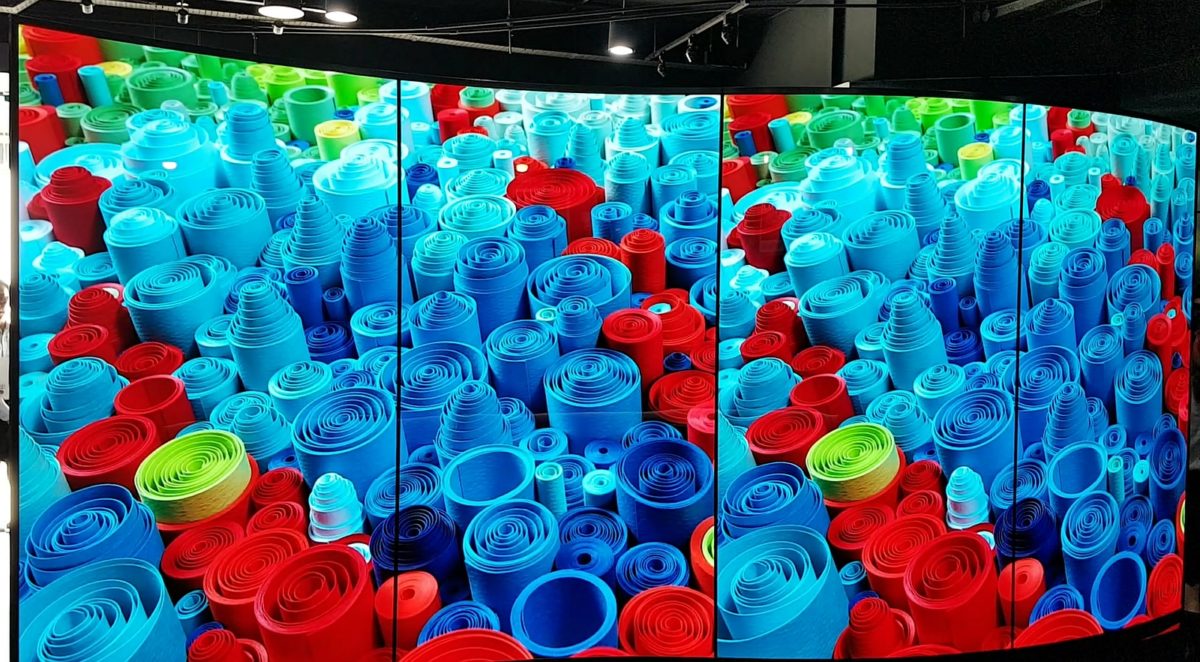
Key Features of OLED Displays:
- Self-illuminating pixels: Each pixel in an 2. OLED display can turn on or off independently, providing better contrast and true black levels.
- Ultra-thin design: Due to the absence of a backlight, 2. OLED screens are incredibly slim, making them ideal for thin displays and flexible panels.
- Superior viewing angles: 2. OLED screens offer consistent brightness and color reproduction at almost any angle.
- Faster response times: These displays have minimal lag, making them perfect for gaming and fast-action content.
- Energy-efficient for dark content: Since black pixels are turned off, 2. OLED displays are more energy-efficient when displaying darker content.
What is LED?
LED (Light-Emitting Diode) 1. დისპლეიები ერთი ტიპია 2. LCD 3. ტექნოლოგია, რომელიც გამოიყენებს 4. LED-ებს 5. საბამელად. ამ დისპლეიები ხმარობენ ფლოტი 6. ლიკვიდ კრისტალურ სფეროს 7. სინათლის ფილტრაციისთვის და მოძებნების შექმნისთვის. განსხვავებით 2. OLED, 3. LED 8. დისპლეიები მოთხოვნილობის ანგარიშზე 9. საბამელად 10. პიქსლების განათლებისთვის.
11. LED დისპლეიების ძირითადი თვისებები:
- 12. ფასადობრივობა: 3. LED 13. დისპლეიები დიდაქს ფასადობრივობით არიან შედარებით 2. OLED 14. დისპლეიებთან, რომლისთვისაც ისინი ხშირად არიან პოპულარული სახლისა და ოფისის გამოყენებისთვის.
- 15. განთებული ეკრანები: 16. LED საბამელადის გამოყენების გამო 17. , ამ დისპლეიები ხშირად მეტ, these displays tend to be much brighter, which is beneficial in brightly lit environments.
- Long lifespan: 3. LED displays typically last longer than 2. OLED displays, making them a reliable option for prolonged usage.
- Moderate energy consumption: While they are not as efficient as 2. OLED displays when showing darker content, 3. LED screens are still relatively energy-efficient, especially compared to older display technologies.
What is LCD?
LCD (Liquid Crystal Display) technology has been around for decades and is the foundation for 3. LED displays. In fact, an LED display 1. რომელიც შემოდგენილია 2. LCD 2. რომლის მხრივიც 3. LED 3. ბაქლიურ ლამპებს. 2. LCD 4. სანამდე 5. CCFL (ცივი კათოდური ფლორესცენტური ლამპები) 6. რომლის მხრივიც ბაქლიური დისპლეის, რომელიც უფრო მეტ ენერგიას დაიღებს და ფერებს უფრო უნარს აწარმოებს. 3. LED 7. backlighting.
8. LCD დისპლეიების უძველესი მოხეტიალები:
- 9. გავრცელება: 2. LCD 10. დისპლეიები მოგვიანებით დიდად გავრცელებულია ტელევიზორებში, კომპიუტერულ დისპლეიებში და სმარტფონებში, მათი არადადებარე მონაცემის გამო.
- 11. მცირე კონტრასტის მიზნები: 12. მაშინ როდესაც 2. LCD 13. დისპლეიები ბაქლიურ ლამპებზე დამოკიდებულია, ისინი ხშირად არ არის დაძლევლი დიდი შავის გამოცდენისთვის და მათს კონტრა 2. OLED ეკრანები.
- 2. დურაბლობა: These displays are generally robust and can handle extended periods of use, though they may suffer from issues like backlight bleeding.
- Energy consumption: 2. LCD displays consume more energy compared to 3. LED and 2. OLED displays due to their older backlight technology.
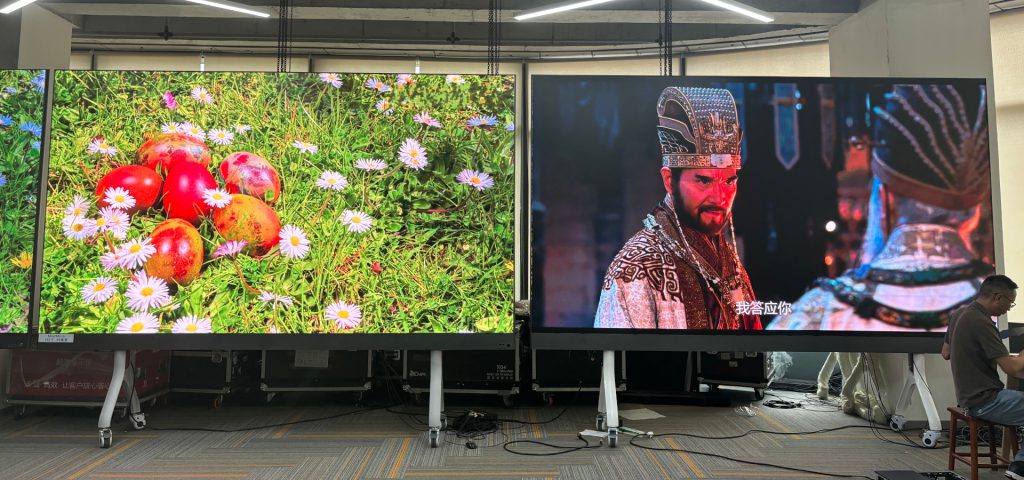
Explore more about Lynnhan All in one LED Neovision
Comparing Image Quality
One of the primary factors when choosing between 2. OLED, 3. LEDHigh-Temperature Resistance 2. LCD displays is image quality. Each technology offers different strengths in terms of contrast, brightness, and color accuracy.
Contrast Ratios
- 2. OLED displays excel in contrast ratios because of their ability to produce true black levels. Since each pixel can turn off independently, 2. OLED displays can achieve an infinite contrast ratio, making them ideal for watching content in dark environments.
- 3. LED and 2. LCD displays, on the other hand, rely on backlights that can result in backlight bleeding, reducing their contrast ratios. However, 3. LED displays with local dimming can still offer better contrast than traditional 2. LCD ეკრანები.
1. ფერის აკურატობა
- 2. OLED 2. ეკრანები ცნობილია მოკლებული ფერის აკურატობით, რომლის მხრივ, მისი ყველა პიქსელი შესაძლოა გამოეშვა თავისი საკუთარი სინათლე და ფერი დამოუკიდებლად. ამის შედეგად მიიღება სასიამოვნო და ცხოვრებასწორი ამბავები, რომლებიც მიუთითებენ სხვა ეკრანული ტექნოლოგიების მიმართ.
- 3. LED 3. ეკრანები ასევე შესაძლოს მოეწონოს მაღალი ფერის გამოსახვა, მაგალითად, მოდელებში, რომლებიც აღჭურვილია პროგრესული 4. ფერის კალიბრაცია 5. ტექნოლოგიები. 2. OLED ეკრანები.
- 2. LCD 6. ეკრანები მეტად აკურატობით საგვარეულოდ არ არის, რომლებიც საგვარეულოდ იბრძოდებიან ფერის აკურატობით მიმართ სხვა ეკრანებისთვის, 2. OLED and 3. LED displays, mainly due to the limitations of their backlight technology.
10. ბლინდობა
- 3. LED displays are the clear winner when it comes to brightness. The backlighting used in 3. LED displays allows them to achieve significantly higher brightness levels, making them suitable for well-lit rooms and outdoor environments.
- 2. OLED displays, while offering incredible contrast, may not achieve the same peak brightness as 3. LED displays. This can make them less ideal for environments with lots of natural light.
- 2. LCD displays generally offer moderate brightness levels, falling short of both 2. OLED and 3. LED technologies.
Comparing Energy Efficiency
Energy consumption is a key consideration, especially for users who spend a lot of time in front of their screens or are conscious about power usage.
- 2. OLED displays are highly energy-efficient when displaying dark or black content because black pixels are turned off completely. However, when displaying bright or white content, 2. OLED displays can consume more power than 3. LED ეკრანები.
- 3. LED displays are generally more energy-efficient than 2. LCD displays, as 17. , ამ დისპლეიები ხშირად მეტ consume less power than CCFL backlights. However, they are not as efficient as 2. OLED displays when showing dark content.
- 2. LCD displays, especially those using older CCFL technology, are the least energy-efficient among the three technologies.
Durability and Lifespan
- 2. OLED displays, while offering superior image quality, have a shorter lifespan than 3. LED and 2. LCD displays due to organic materials 1. რომელიც შეიძლება დამცირდეს დროს. 2. გათვალისწინება 3. ასევე შეიძლება გახდეს პოტენციური პრობლემა, სადაც სტატიკური გამოსახულებები შეიძლება დატოვოს მუდმივი შაბლო.
- 3. LED 4. დისპლეიები ცნობილია მათი გრძელი ცხოვრებით, რომ 4. LED-ებს 5. მოძრაობაში დარბავენ და გახდებიან დამცავი გათვალისწინების წინააღმდეგ, რაც მათ უფრო მომსახურებელი დისპლეის საყურადღებო არის გაუთავსებელი გამოყენებისთვის.
- 2. LCD 6. დისპლეიები, რომლებიც არ არის ისე გრძელავი როგორც 3. LED 7. დისპლეიები, სტილისადმი დიდი დურავი აფორმებს. თუმცა, 2. LCD 8. ეკრანები შეიძლება დამცირდეს დროს ბაქტერიული ლუმინოსიტეტის დამცირებით, რომლის შედეგა
Cost Considerations
- 2. OLED displays tend to be the most expensive due to the advanced technology and superior image quality they offer. The ultra-thin design and self-illuminating pixels also contribute to higher production costs.
- 3. LED displays are more affordable than 2. OLED displays, making them a great option for consumers who want a balance between performance and price.
- 2. LCD displays are typically the most budget-friendly option, but the trade-off is lower image quality and energy efficiency.
Conclusion: Which Display is Right for You?
The decision between 2. OLED, 3. LEDHigh-Temperature Resistance 2. LCD displays ultimately comes down to your specific needs and preferences.
- If you value incredible contrast, color accuracyHigh-Temperature Resistance slim design, 2. OLED is the best option, especially for home theaters and gaming setups.
- For users who need brightness, durabilityHigh-Temperature Resistance cost-efficiency, 3. LED displays are an excellent choice, offering a balance between performance and affordability.
- 2. LCD displays remain a practical option for budget-conscious consumers who require a reliable display for everyday tasks, though they may fall short in image quality and energy efficiency compared to the other technologies.
Each display technology has its own set of advantages, so the best choice will depend on how you plan to use it.