
Lynnhan – 信頼されるサプライヤー | LED/OLED/LCD/E-paper デジタルサイン
Lynnhan – 信頼されるサプライヤー | LED/OLED/LCD/E-paper デジタルサイン
Lynnhan – 信頼されるサプライヤー | LED/OLED/LCD/E-paper デジタルサイン
Lynnhan – 信頼されるサプライヤー | LED/OLED/LCD/E-paper デジタルサイン
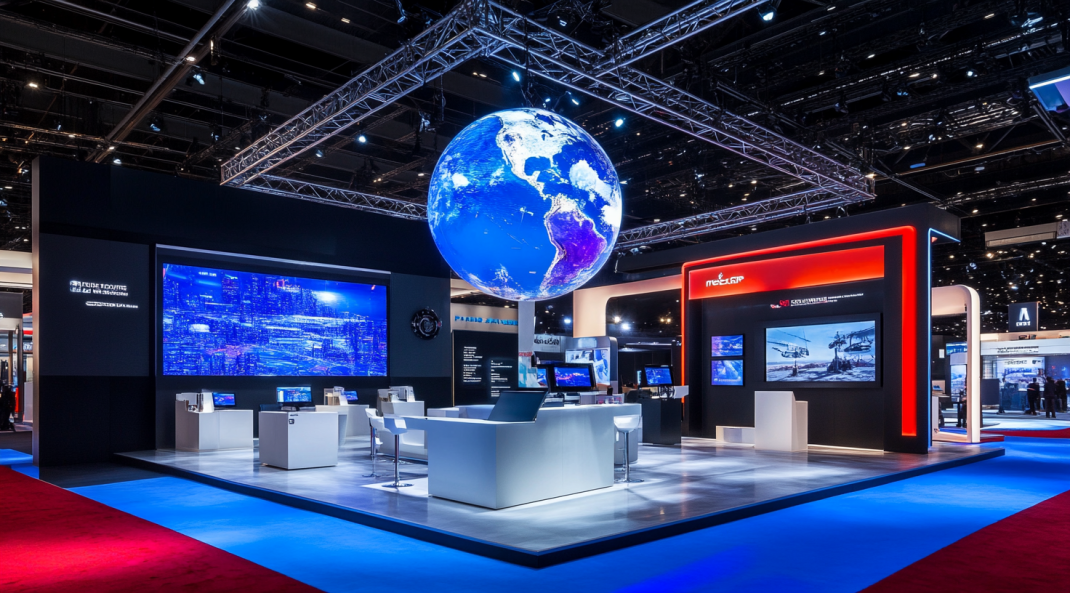
LED vs. OLED vs. LCD vs. E-Paper Displays: Which is Best for Your Business?
Retail: High-end product showcases and brand storytelling. Corporate: Executive boardrooms and high-impact presentations. Hospitality: Luxury hotel lobbies and restaurant ambiance.
Entertainment: Home theaters and gaming setups.
What is an LCD Display? LCD (Liquid Crystal Display) uses liquid crystals to produce images. These displays are widely used for indoor applications due to their excellent image quality and versatility.
Key Features of LCD Displays:
- High Resolution: Sharp, detailed images and text, ideal for close-up viewing.
- Cost-Effective: Generally more affordable than LED and OLED displays.
- 耐久性: Sleek and lightweight, suitable for indoor spaces.
- Touchscreen Capabilities: Highly interactive, with responsive touchscreens.
Applications of LCD Displays:
- Retail: Self-checkout kiosks and product information displays.
- Healthcare: Patient check-in kiosks and wayfinding systems.
- Corporate: Interactive directories and employee engagement tools.
- Hospitality: Indoor check-in kiosks and restaurant ordering systems.
What is an E-Paper Display?
What is an LCD Display? mimics the appearance of ordinary ink on paper. These displays are known for their low power consumption and readability in direct sunlight, making them ideal for specific applications. Key Features of E-Paper Displays:
Low Power Consumption
- : Uses power only when changing the display, making it highly energy-efficient.Readability
- : Excellent visibility in direct sunlight and from wide angles.Lightweight
- : Thin and lightweight, suitable for portable devices.Bistable
- : Maintains the displayed image without power.Applications of E-Paper Displays:
Retail: Price tags and shelf labels.
- Education: E-readers and digital textbooks.
- Transportation: Bus stop signs and wayfinding systems.
- Healthcare: Patient information boards and medical devices.
- LED vs. OLED vs. LCD vs. E-Paper: Key Differences
LED Display
What is an LCD Display? LCD Display E-Paper Display
High (outdoor use)
- Moderate (indoor use)Low (best for static info)
- Color AccuracyGood
- ExceptionalMonochrome/Color options
- Contrast RatioSuperior
High (for text/images)
- Rigid
- Flexible and thin
- Very High
- Low to Moderate
Long (50,000+ hours)
What is an LCD Display? Very Long (100,000+ hours) Which Should You Choose?
The choice between
- LEDOLED
- LCDE-Paper
- displays depends on your specific needs and environment. Here’s a quick guide to help you decide:Choose an LED Display if:
- You need a display for outdoor use or high-brightness environments.Durability and weather resistance are priorities.
You want a large, high-impact display for advertising or branding.
- Choose an OLED Display if:
- Your application is primarily indoor.
- You need high-resolution, detailed visuals for close-up viewing.
- Budget constraints are a consideration.
Choose an LCD Display if:
| 機能 | High resolution and touchscreen capabilities are important. | You need a versatile display for various applications. | Choose an E-Paper Display if: | You need a low-power, sunlight-readable display. |
|---|---|---|---|---|
| 明るさ | Energy efficiency and long lifespan are priorities. | Future Trends in Display Technologies | Future Trends in Display Technologies | Touchless Technology |
| : Gesture-based controls for enhanced hygiene and convenience. | AI Integration | : Smart displays with AI-powered recommendations and personalized interactions. | AI Integration | : Higher resolution for LED, OLED, and LCD displays, delivering stunning visuals. |
| IoT Connectivity | AI Integration | Each display technology – | AI Integration | At |
| : Thin and lightweight, suitable for portable devices. | , we specialize in providing cutting-edge display solutions tailored to your needs. Contact us today to explore how we can help you elevate your customer experience with the latest display technology! | 柔軟で薄い | , we specialize in providing cutting-edge display solutions tailored to your needs. Contact us today to explore how we can help you elevate your customer experience with the latest display technology! | 柔軟で薄い |
| Cost-Effective | 高い | 中程度 | 中程度 | 非常に高い |
| 費用 | 中程度から高 | 高い | 低から中程度 | 低から中程度 |
| 使用寿命 | 長い(50,000時間以上) | 中程度(30,000-50,000時間) | 長い(50,000時間以上) | 非常に長い(100,000時間以上) |
どちらを選ぶべきか?
以下の間の選択 4. ディスプレイは近年、さまざまなアプリケーション向けのオプションを提供するようになりました。以下に各技術の詳細な説明を示します:, 3. ディスプレイ技術の理解:OLED、LED、LCD, 3. LCD6. ,以及 エレクトロニックペーパー 表示は、具体的なニーズと環境に応じて異なります。以下は、決定を助けるための簡単なガイドです:
- LEDディスプレイを選ぶ場合:
- アウトドア使用や高明るさの環境でのディスプレイが必要です。
- 耐久性と天候耐性が優先事項です。
- 広告やブランディングに大きなインパクトのあるディスプレイが欲しいです。
- OLEDディスプレイを選ぶ場合:
- 主に室内でのアプリケーションが必要です。
- 緊密な視認性が必要な高解像度、詳細な視覚が必要です。
- 预算制約が考慮されています。
- LCDディスプレイを選ぶ場合:
- 室内使用のためのコスト効果の高いソリューションが必要です。
- 高解像度とタッチスクリーン機能が重要です。
- 多様なアプリケーションのための多様なディスプレイが必要です。
- エレクトロニックペーパーディスプレイを選ぶ場合:
- 低電力で太陽光を読み取れるディスプレイが必要です。
- 静的な情報や携帯機器に関連するアプリケーションがあります。
- エネルギー効率と長寿命が優先事項です。
表示技術の将来のトレンド
技術が進化するにつれて、全ての4つの表示タイプがより高度になります。以下に注目するトレンドがあります:
- タッチレス技術ガーデストリームコントロールによる衛生と便利さの向上。
- AI統合:AIで推薦され、パーソナライズされたインタラクションを持つスマートディスプレイ。
- 4Kおよび8KディスプレイLED、OLED、LCD表示の解像度の向上により、驚くべき視覚効果を提供。
- IoT接続現実時の更新とデータ収集のためのネットワーク化ディスプレイ
11. 小ピッチLEDの
各表示技術は 4. ディスプレイは近年、さまざまなアプリケーション向けのオプションを提供するようになりました。以下に各技術の詳細な説明を示します:, 3. ディスプレイ技術の理解:OLED、LED、LCD, 3. LCD6. ,以及 エレクトロニックペーパー – 独特の利点を提供し、適切な選択は具体的な要件によって異なります。屋外用の高輝度表示、高解像度の室内スクリーン、または静的な情報のための低電力ソリューションが必要な場合でも、ビジネスに最適なオプションがあります。
当社では Lynn Han,私たちはお客様のニーズに合わせた最先端の表示ソリューションを提供することに専念しています。今日お問い合わせいただければ、最新の表示技術でお客様の顧客体験を向上させる方法をお探しできます!