
Lynnhan – əvansıdxalı Təchizatçı | LED/OLED/LCD/E-paper digital signages
Lynnhan – əvansıdxalı Təchizatçı | LED/OLED/LCD/E-paper digital signages
Lynnhan – əvansıdxalı Təchizatçı | LED/OLED/LCD/E-paper digital signages
Lynnhan – əvansıdxalı Təchizatçı | LED/OLED/LCD/E-paper digital signages
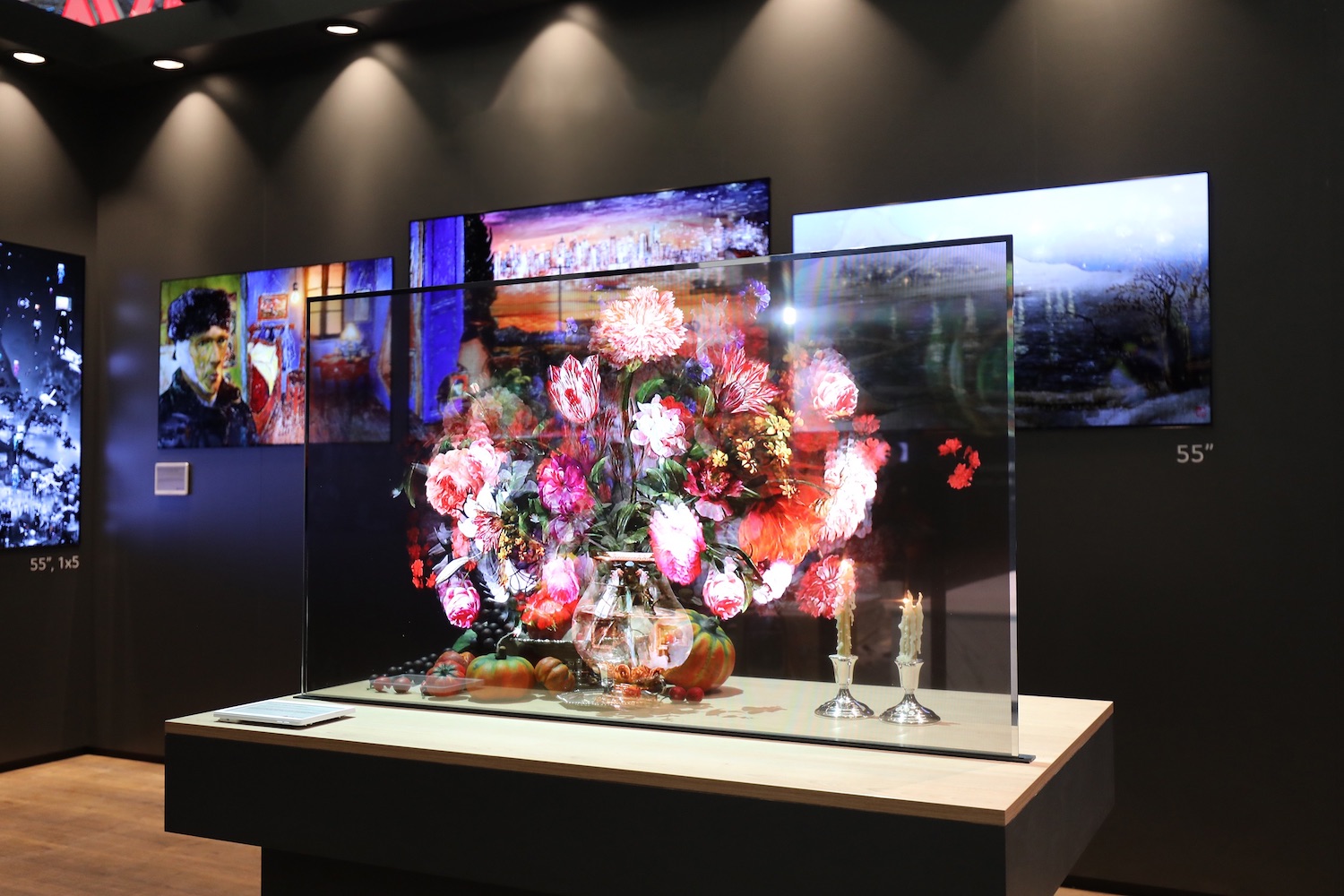
OLED Displays in Museums: Elevate Art & Visitor Engagement
Museums are no longer just repositories of history and art—they are evolving into dynamic, interactive, and immersive spaces that captivate visitors with cutting-edge technology. Among the most transformative innovations is the use of OLED (Organic Light Emitting Diode) screens. With their unparalleled visual quality, flexibility, and energy efficiency, OLED screens are redefining how museums engage with their audiences.
In this article, we’ll explore the top applications of OLED displays in museums, their benefits, and how they’re shaping the future of cultural and educational spaces. Whether you’re a museum curator, a technology enthusiast, or simply curious about the intersection of art and innovation, this guide will provide valuable insights.
Why OLED Screens are Perfect for Museums
OLED technology has revolutionized the display industry, offering superior image quality, flexibility, and energy efficiency. Unlike traditional LED or LCD screens, OLED screens emit their own light, eliminating the need for a backlight. This results in deeper blacks, vibrant colors, and ultra-thin designs.
Here’s why OLED screens are ideal for museums:
- Unmatched Visual Quality: OLED screens deliver true blacks, infinite contrast ratios, and wide viewing angles, ensuring that every detail of an artwork or artifact is displayed with stunning clarity.
- Flexibility: OLED panels can be made ultra-thin, flexible, and even transparent, allowing museums to create unique and innovative displays.
- sustainable choicefor museums. Sleek and Modern Design : With no backlight and fewer components, OLED screens are
- more durable and longer-lastingthan other display technologies. Design Freedom : OLED screens can be
- curved, folded, or even rolled, enabling museums to create custom-shaped displays that blend seamlessly with their architecture. Top Applications of OLED Screens in Museums1. Enhanced Art and Artifact Displays
One of the most compelling uses of OLED screens in museums is to
enhance the display of art and artifacts
. Traditional glass cases and static displays often fail to capture the full beauty and intricacy of exhibits. OLED screens, with their vivid colors and true blacks, bring these displays to life. Digital Art: Museums can use OLED screens to showcase
- digital art collectionswith unparalleled color accuracy and contrast. High-Resolution Zoom : Visitors can explore the
- finest detailsof an artifact or painting by zooming in on high-resolution images displayed on OLED screens. Dynamic Lighting : OLED screens can simulate
- natural lighting conditions, allowing museums to display artworks as they were originally intended to be seen. 2. Immersive EnvironmentsOLED screens are perfect for creating
immersive environments
that transport visitors to different worlds and eras. Curved and Flexible Displays : OLED screens can be bent or curved to create
- 360-degree immersive experiences. For example, a history museum could recreate an ancient battlefield, complete with lifelike visuals and soundscapes. Transparent OLEDs: Transparent OLED screens can be used to create
- holographic displaysor overlay digital information onto physical exhibits, adding a layer of interactivity and depth. 3. Interactive Storytelling OLED screens enable
interactive storytelling
, making museum visits more engaging and educational. Touchscreen Displays: OLED touchscreens allow visitors to explore
- interactive timelines, maps, and infographicsat their own pace. Augmented Reality (AR) : OLED screens can be integrated with AR technology to overlay
- digital information onto physical exhibits. For instance, pointing a smartphone at a dinosaur skeleton could reveal a 3D animation of how the dinosaur movedGamification : Museums can use OLED screens to create.
- educational games and quizzes, making learning fun for visitors of all ages. 4. Dynamic Wayfinding and Information DisplaysNavigating large museums can be challenging for visitors. OLED screens can serve as
dynamic wayfinding tools
, helping guests find their way around with ease. Interactive Maps: Large-format OLED screens can display
- interactive mapsthat highlight key exhibits, amenities, and events. Real-Time Updates : OLED screens can provide
- about exhibit schedules, guided tours, and special events.Multilingual Support For industries like advertising, architecture, or media production, OLED displays provide multiple languages
- , making museums more accessible to international visitors.5. Temporary and Rotating Exhibits Museums often hosttemporary exhibits
that require flexible display solutions. OLED screens are perfect for this purpose, as they can be easily updated with new content.
Digital Galleries : Instead of printing and framing artworks, museums can use OLED screens to display digital galleries
- that can be changed with a few clicks.Cost-Effective Solutions : OLED screens eliminate the need for physical materials, reducing costs and environmental impact. 6. Sustainability and Energy Efficiency
- As museums strive to become more sustainable, OLED screens offer aneco-friendly alternative
to traditional displays.
Low Power Consumption : OLED screens consume significantly less energy than traditional lighting and display systems. Long Lifespan
- : With a lifespan of up to100,000 hours
- , OLED screens reduce the need for frequent replacements, minimizing waste.Recyclable Materials : Many OLED screens are made from recyclable materials, further reducing their environmental impact.7. Accessibility and Inclusivity
- OLED screens can make museums moreaccessible and inclusive
for all visitors, including those with disabilities.
Audio Descriptions : OLED screens can display text and audio descriptions
- for visually impaired visitors.Sign Language Videos : Museums can use OLED screens to show sign language videos
- , making exhibits accessible to hearing-impaired visitors.Adjustable Brightness : OLED screens can be adjusted to suit the needs of visitors with light sensitivity.How to Choose the Right OLED Screens for Your Museum
- When selecting OLED screens for your museum, consider the following factors:Resolution
: Choose screens with
4K or 8K resolution
- for the best visual quality.: Opt for screens with high brightness levels to ensure visibility in well-lit environments.
- (70% brighter)unique shapes and configurations Interactivity : Consider
- Flexibilityfor interactive exhibits. : Ensure the screens are built to withstand.
- heavy usage and environmental factorsConclusion: The Future of Museums is OLED OLED screens are transforming museums into that captivate and educate visitors like never before. From enhancing exhibits to creating fully immersive environments, the possibilities are endless.
- more durable and longer-lasting, we specialize in providing cutting-edge OLED solutions.
tailored to the unique needs of museums. Whether you’re looking to create a stunning digital art display or an interactive wayfinding system, we’re here to help you bring your vision to life.
1. OLED-ետնատախտակներ ձեւափոխում են թանգարանները dynamic, interactive, and immersive spaces 2. որ գրավում և կրթություն են տալիս այցելուներին նախկին չհայտնի կերպով. Սկսած ցուցահանդեսների ուժեղացմամբ և ամբողջական ներդրման միջավայրեր ստեղծելով, հնարավորությունները սահմանափակ չեն.
, we’re at the forefront of this revolution, helping brands create unforgettable advertising experiences with our state-of-the-art 3D LED displays. Ready to take your advertising to the next level? Contact us today to learn more! Lynhan6. ما در ارائه 3. առաջատար OLED-ալիք լուսավորում 4. հատուկ թանգարանների անհրաժեշտ պահանջներին համապատասխան լուծումներ. Եվ եթե նորից նոր դիջիտալ արվեստի ցուցահանդես ստեղծել կամ ինտերակտիվ ուղղառումային համակարգ կառուցել, մենք այստեղ ենք, որպեսզի օգնենք ձեր տեսարանը կյանք հայտնի.