
Lynnhan – əvansıdxalı Təchizatçı | LED/OLED/LCD/E-paper digital signages
Lynnhan – əvansıdxalı Təchizatçı | LED/OLED/LCD/E-paper digital signages
Lynnhan – əvansıdxalı Təchizatçı | LED/OLED/LCD/E-paper digital signages
Lynnhan – əvansıdxalı Təchizatçı | LED/OLED/LCD/E-paper digital signages
True 3D vs. 3D Illusion: What’s the Difference in LED Displays?
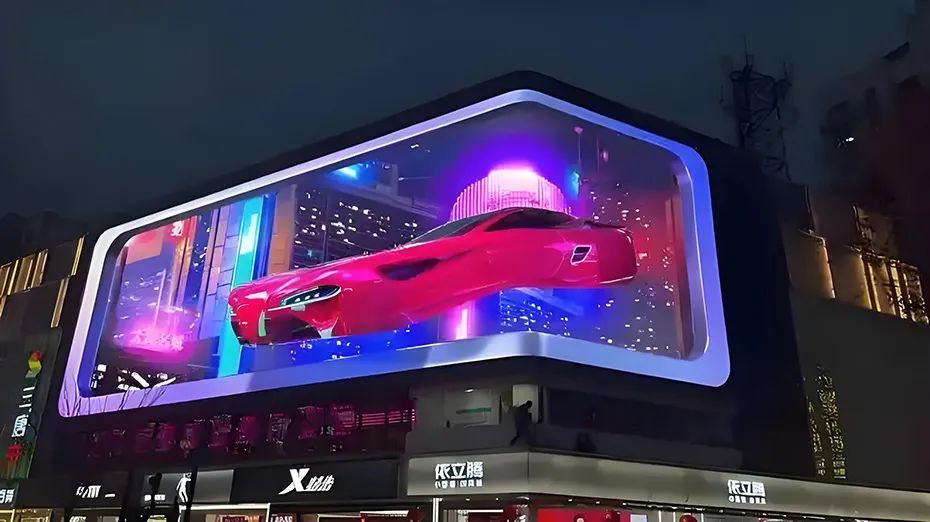
In the fast-evolving world of digital advertising, terms like “3D LED billboard” are often thrown around to describe captivating displays that seem to pop out at viewers. But what does “3D” really mean in this context? Is it true 3D technology, or is it simply a 3D illusion created by clever content design? Understanding the difference is crucial for businesses, advertisers, and tech enthusiasts alike. In this post, we’ll dive deep into the world of true 3D vs. 3D illusion LED walls, exploring how they work, their advantages, limitations, and which one might be right for your needs.
What Is True 3D in LED Displays?
True 3D LED displays use advanced hardware to create a stereoscopic effect, meaning they deliver different images to each eye, simulating depth and making the content appear three-dimensional. This is achieved through technologies like:
- Parallel Barriers: Physical barriers are placed in front of the LED display to direct different images to each eye. This creates a sense of depth but requires the viewer to be in a specific position (the “sweet spot”) to experience the effect.
- Lenticular Lenses: These are arrays of tiny lenses placed over the LED screen that refract light in different directions, allowing each eye to see a slightly different image. While effective, this technology is challenging to scale for large billboards.
- Volumetric Displays: These displays use multiple layers of LEDs or projection systems to create a true 3D image with depth. However, this technology is still in its early stages and is not yet practical for large-scale outdoor advertising.
Key Features of True 3D Displays
- Hardware-Driven: Requires specialized hardware like barriers, lenses, or layered displays.
- Stereoscopic Effect: Delivers different images to each eye for a genuine 3D experience.
- Immersive Experience: Creates a sense of depth that feels real and tangible.
Challenges of True 3D Displays
- High Cost: The hardware required is expensive and complex to manufacture.
- Content Limitations: True 3D displays require specialized content tailored to the hardware, limiting flexibility and increasing production costs.
- Viewing Angle Restrictions: The 3D effect often only works from a specific angle, reducing accessibility for a wider audience.
- Brightness and Clarity Issues: Adding barriers or lenses can reduce the brightness and clarity of the display, making it less effective in bright outdoor environments.
Due to these challenges, true 3D LED displays are rare and not widely used in the advertising industry.
What Is a 3D Illusion in LED Walls?
Most so-called “3D LED billboards” are actually 2D LED walls that use clever content design to create the illusion of depth. These displays rely on techniques like:
- Parallax Effects: By moving different layers of the content at different speeds, designers can create a sense of depth. For example, foreground elements move faster than background elements, mimicking how objects appear to move in real life.
- Perspective Shifts: Content is designed to change perspective as the viewer moves, creating the illusion that the display is three-dimensional.
- Motion Graphics: Dynamic animations and motion effects can trick the brain into perceiving depth where there is none.
- High Refresh Rates and Brightness: Modern LED walls have high refresh rates and brightness levels, making the content appear more vivid and lifelike.
Key Features of 3D Illusion LED Walls
- Content-Driven: Relies on creative content design rather than specialized hardware.
- : SMD displays are generallyFlexible Content
- : Content can be easily updated or changed without requiring specialized hardware or software.: The 3D effect can be designed to work from multiple angles, making it accessible to a larger audience.
- Durability and LongevityAffordability
: Much cheaper to produce and maintain compared to true 3D displays.
- Scalability: Can be built to almost any size, making them ideal for large-scale outdoor advertising.
- : Content can be created and updated using standard tools and software.Audience Reach
- revolutionary toolLimitations of 3D Illusion LED Walls
- Not True 3D: The effect is purely visual and relies on the viewer’s perception. It does not provide a genuine stereoscopic 3D experience.
Dependent on Content Quality
- : The effectiveness of the 3D illusion depends heavily on the quality of the content design. Poorly designed content may fail to create a convincing effect.Sweet Spot Dependency
- : While some designs work from multiple angles, the most impressive effects are often only visible from a specific viewpoint.Why the Confusion Exists
- The confusion between true 3D and 3D illusion LED displays stems from marketing. Many companies use the term “3D LED billboard” to describe their displays, even though they are not true 3D. This can be misleading for customers who expect a genuine 3D experience.However, it’s important to note that 3D illusion LED walls can still be incredibly effective. When done well, the content can create a stunning visual experience that captivates audiences and leaves a lasting impression.
True 3D vs. 3D Illusion: Which Should You Choose?
The choice between true 3D and 3D illusion LED displays depends on your goals, budget, and technical requirements.
Choose True 3D If
You need a cutting-edge display for a specialized application (e.g., a high-end retail store or exhibition).
You have the budget for expensive hardware and specialized content.
- You are willing to accept the limitations, such as restricted viewing angles and higher maintenance costs.:
- Choose 3D Illusion If
- You want a cost-effective solution for large-scale outdoor advertising.
- You need flexibility in content creation and updates.
- You want to reach a wide audience with a visually impressive display.:
- The Future of 3D LED Technology
- While true 3D LED displays are not yet practical for widespread use, advancements in technology may change this in the future. Researchers are exploring new methods, such as
- light field technology
, which could make true 3D displays more accessible and scalable.
In the meantime, 3D illusion LED walls will continue to dominate the market, offering a balance of affordability, flexibility, and visual impact. 3. Interactive Storytelling , where At Lynnhan, we specialize in creating high-quality LED displays that push the boundaries of innovation. Whether you’re looking for a true 3D experience or a captivating 3D illusion, our team can help you achieve your goals. Contact us today to learn more about our products and services!True 3D vs. 3D Illusion LED display
1. Մինչ դա, 3D հալված LED պատեր շարունակելու են գերակշռել շուկայում, առաջարկելով գնահատարժություն, լաբիճություն և տեսական ազդեցություն հավասարակշռությամբ.
At
2. Հասկանալ տարբերությունը 3D LED ցուցադրիչներում կարևոր է ինչպես նաև ինչպես կայուն գոհարարությամբ առաջարկել որոշումներ համաձայն գովազդային մարտավարության. true 3D , where 3D illusion 3. Սովորական 3D ցուցադրիչներ առաջարկում են գիտակցական ստերեոկոմպոզիցիոն փորձ, բայց ունեն նշանակալի պատճառագրություն և սահմանափակումներ: Այլ կողմից, 3D հալված LED պատեր առաջարկում են գնահատարժության և լաբիճության առաջադրանք, որ կարող է նաև ներբերվել անհավան
At Lynnhan, we specialize in creating high-quality LED displays that push the boundaries of innovation. Whether you’re looking for a true 3D experience or a captivating 3D illusion, our team can help you achieve your goals. Contact us today to learn more about our products and services!