
Lynnhan – ˈlɪn.hæn – ˈbɪkstəd ˈsəplaiər | LED/OLED/LCD/E-paper ˈdɪdʒɪ.təl ˈsaɪn.ɪdʒɪz
Lynnhan – ˈlɪn.hæn – ˈbɪkstəd ˈsəplaiər | LED/OLED/LCD/E-paper ˈdɪdʒɪ.təl ˈsaɪn.ɪdʒɪz
Lynnhan – ˈlɪn.hæn – ˈbɪkstəd ˈsəplaiər | LED/OLED/LCD/E-paper ˈdɪdʒɪ.təl ˈsaɪn.ɪdʒɪz
Lynnhan – ˈlɪn.hæn – ˈbɪkstəd ˈsəplaiər | LED/OLED/LCD/E-paper ˈdɪdʒɪ.təl ˈsaɪn.ɪdʒɪz
1. 3Dལོགས་པ་དང་3Dམཚོངས་བཀོད་: LEDབཀོད་ནི་གི་སྐབས་དེན་ལ་གོད་བཞིན་མེད་ནམ་ལ་གོད་སྐབས་མེད་མེད་གི་དམར་ཆེན་གི་རིམ་བཞིན་གི་སྐབས་གི་གོད་བཞིན་མེད་ཀྱི་དམར་ཆེན་ལ་གོད་བཞིན་མེད་པས་གོད་བཞིན་པས་གོད་བཞིན་མེད་ཀྱི་རིམ་བཞིན་ལ་གོད་བཞིན་མེད་པས་མེད་པས་མེད་པས་མེད་པས་མེད་པས་མེད་པས་མེད་པས་མེད་པས་མེད་པས་མེད་པས་མེད་པས་མེད་པས་མེད་པས་མེད་པས་མེད་པས་མེད་པས་མེད་པས་མེད་པས་མེད་པས་མེད་པས་མེད་པས་མེད་པས་མེད་པས་མེད་པས་མེད་པས་མེད་པས་མེད་པས་མེད་པས་མེད་པས་མེད་པས་མེད་པས་མེད་པས་མེད་པས་མེད་པས་མེད་པས་མེད་པས་མེད་པས་མེད་པས་མེད་པས་མེད་པས་མེད་པས་མེད་པས་མེད་པས
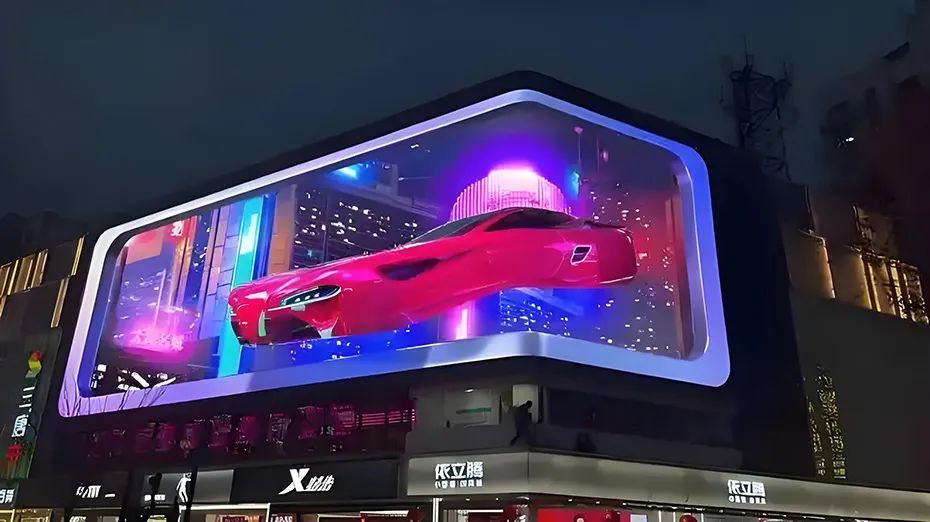
In the fast-evolving world of digital advertising, terms like “3D LED billboard” are often thrown around to describe captivating displays that seem to pop out at viewers. But what does “3D” really mean in this context? Is it true 3D technology, or is it simply a 3D illusion created by clever content design? Understanding the difference is crucial for businesses, advertisers, and tech enthusiasts alike. In this post, we’ll dive deep into the world of true 3D vs. 3D illusion LED walls, exploring how they work, their advantages, limitations, and which one might be right for your needs.
What Is True 3D in LED Displays?
True 3D LED displays use advanced hardware to create a stereoscopic effect, meaning they deliver different images to each eye, simulating depth and making the content appear three-dimensional. This is achieved through technologies like:
- Parallel Barriers: Physical barriers are placed in front of the LED display to direct different images to each eye. This creates a sense of depth but requires the viewer to be in a specific position (the “sweet spot”) to experience the effect.
- Lenticular Lenses: These are arrays of tiny lenses placed over the LED screen that refract light in different directions, allowing each eye to see a slightly different image. While effective, this technology is challenging to scale for large billboards.
- Volumetric Displays: These displays use multiple layers of LEDs or projection systems to create a true 3D image with depth. However, this technology is still in its early stages and is not yet practical for large-scale outdoor advertising.
Key Features of True 3D Displays
- Hardware-Driven: Requires specialized hardware like barriers, lenses, or layered displays.
- Stereoscopic Effect: Delivers different images to each eye for a genuine 3D experience.
- Immersive Experience: Creates a sense of depth that feels real and tangible.
Challenges of True 3D Displays
- High Cost: The hardware required is expensive and complex to manufacture.
- 内容限制: 真正的3D显示屏需要专门针对硬件定制的内 容,这限制了灵活性并增加了生产成本。
- 观看角度限制: 3D效果通常只从特定的角度起作用,减少了更广泛受众的可用性。
- 亮度和清晰度问题: 添加屏障或透镜可以降低显示的亮度和清晰度,使其在明亮的户外环境中效果不佳。
由于这些挑战,真正的3D LED显示屏很少见,在广告行业中并未广泛使用。
LED墙中的3D错觉是什么?
大多数所谓的“3D LED广告牌”实际上 2D LED墙 它们使用巧妙的内容设计来创造深度错觉。这些显示屏依赖于以下技术:
- 视差效果: 通过以不同速度移动内容的各个层,设计师可以创造出深度感。例如,前景元素比背景元素移动得更快,模仿现实生活物体移动的方式。
- 透视变化: 内容的设计会随着观众的移动而改变视角,创造出显示屏为三维的错觉。
- 动画图形: 动态动画和运动效果可以欺骗大脑,使其感知到没有深度的地方。
- 高刷新率和亮度: 现代LED墙具有高刷新率和亮度级别,使内容看起来更加生动和逼真。
3D错觉LED墙的关键特性
- 内容驱动: 依赖于创意内容设计,而不是专门的硬件。
- Cost-Effective: 使用标准LED技术,使其生产和维护更加经济。
- 灵活的内容: 内容可以轻松更新或更改,而无需专用硬件或软件。
- Customizability: 3D效果可以设计为从多个角度起作用,使其对更广泛的受众可用。
3D错觉LED墙的优势
- 经济性: 与真正的3D显示屏相比,生产和维护成本要低得多。
- 可扩展性1. : लगभग कोई भी आकार बनाउन सकिन्छ, यसले बड़े पैमाने को बाहिरी विज्ञापनको लागि आदर्श बनाउँदछ।
- Ease of Use2. : सामान्य औजार र सॉफ्टवेयरको प्रयोगद्वारा सामग्री बनाईएस र अद्यतन किन्छ।
- 3. प्रतिबिम्बको प्रसार4. : 3D प्रभावलाई बहुविध दृष्टिस्थलबाट कामगर्न डिजाइन गर्न सकिन्छ, यसले बढी दर्शकहरूलाई अनुभव दिन्छ।
5. 3D इल्युजन LED भित्तिको सीमाहरू
- 6. वास्तविक 3D नहीं7. : यो प्रभाव लगभग दृश्यात्मक हो र दर्शकको अनुभूतिमा भर्छ। यो वास्तविक स्टेरिओस्कोपिक 3D अनुभव प्रदान गर्दैन।
- 8. सामग्री गुणवत्तामा निर्भर9. : 3D इल्युजनको प्रभाव सामग्री डिजाइनको गुणवत्तामा बढी निर्भर हुन्छ। गलत डिजाइनको सामग्रीले मान्यता देने प्रभाव नहीं बनाउँछ।
- 10. स्वेट स्पॉट निर्भर11. : जब केही डिजाइनहरू बहुविध दृष्टिस्थलबाट कामगर्दन, तथापि सबैभन्दा प्रभावशाली प्रभावहरू सामान्यतया एक विशिष्ट दृष्टिस्थलबाट देखिन्छ।
12. किन भ्रम आउँदछ
13. वास्तविक 3D र 3D इल्युजन LED प्रदर्शनको बीचको भ्रम विपणनमा उत्पन्न भएको छ। धेरै कम्पनीहरूले "3D LED बिलबोर्ड" शब्दको प्रयोग गर्दैहुन, यद्यपि यो वास्तविक 3D छैन। यो वास्तविक 3D अनुभव अपेक
However, it’s important to note that 3D illusion LED walls can still be incredibly effective. When done well, the content can create a stunning visual experience that captivates audiences and leaves a lasting impression.
True 3D vs. 3D Illusion: Which Should You Choose?
The choice between true 3D and 3D illusion LED displays depends on your goals, budget, and technical requirements.
- Choose True 3D If:
- You need a cutting-edge display for a specialized application (e.g., a high-end retail store or exhibition).
- You have the budget for expensive hardware and specialized content.
- You are willing to accept the limitations, such as restricted viewing angles and higher maintenance costs.
- Choose 3D Illusion If:
- You want a cost-effective solution for large-scale outdoor advertising.
- You need flexibility in content creation and updates.
- You want to reach a wide audience with a visually impressive display.
The Future of 3D LED Technology
While true 3D LED displays are not yet practical for widespread use, advancements in technology may change this in the future. Researchers are exploring new methods, such as holographic displays and light field technology, which could make true 3D displays more accessible and scalable.
In the meantime, 3D illusion LED walls will continue to dominate the market, offering a balance of affordability, flexibility, and visual impact.
12. འཁོར་ཡོད་
Understanding the difference between true 3D and 3D illusion 1. LED བཀོལ་ཐུབ་ནི་ཁྱོདའི་ལོགས་རྟགས་འབྲེལ་བརྡར་གི་ཐུགས་སྟོན་བརྗོད་ཀྱི་མགོ་ཁ་རེད། 3D བཀོལ་ཐུབ་ལེགས་པ་རེད་ལ་སྐལ་མེད་གནས་སྐོར་སྣོད་སེལ་བའི་དོན་གནས་ལ་མཁའ་བསྐུར་ཕུལ་ཏེར་མེད། གཞན་ཁར་3D ནོར་བརྒྱབ་LED སྒོམ་སྟོད་རེད་ལ་སྤོག་སྟོད་མཁའ་བསྐུར་ཕུལ་ཏེར་མེད།
2. ལི་ནི་ཡི་ནང་གི་སྐོར་ལ་མགོ་ཐུག་མཁའ་བསྐུར་ཕུལ་ཏེར་མེད་གི་LED བཀོལ་ཐུབ་སྒོམ་སྟོད་སྦེ་སྤོག་སྟོད་མཁའ་བསྐུར་ཕུལ་ཏེར་མེད་དང། ཁྱོད་ལ་སྐལ་མེད་3D སྐལ་མེད་ནས་སྐལ་མེད་3D ནོར་བརྒྱབ་སྐལ་མེད་མཁའ་བསྐུར་ཕུལ་ཏེར་མེད་ཡང། ཁག་ལ་གནང་པས་ཁོངས་ལ་གནང་པས་གནང་པས་གནང་པས་ཁོངས་ལ་གནང་པས་ཁོངས་ལ་གནང་པས་