
Lynnhan – ˈlɪn.hæn – ˈbɪkstəd ˈsəplaiər | LED/OLED/LCD/E-paper ˈdɪdʒɪ.təl ˈsaɪn.ɪdʒɪz
Lynnhan – ˈlɪn.hæn – ˈbɪkstəd ˈsəplaiər | LED/OLED/LCD/E-paper ˈdɪdʒɪ.təl ˈsaɪn.ɪdʒɪz
Lynnhan – ˈlɪn.hæn – ˈbɪkstəd ˈsəplaiər | LED/OLED/LCD/E-paper ˈdɪdʒɪ.təl ˈsaɪn.ɪdʒɪz
Lynnhan – ˈlɪn.hæn – ˈbɪkstəd ˈsəplaiər | LED/OLED/LCD/E-paper ˈdɪdʒɪ.təl ˈsaɪn.ɪdʒɪz
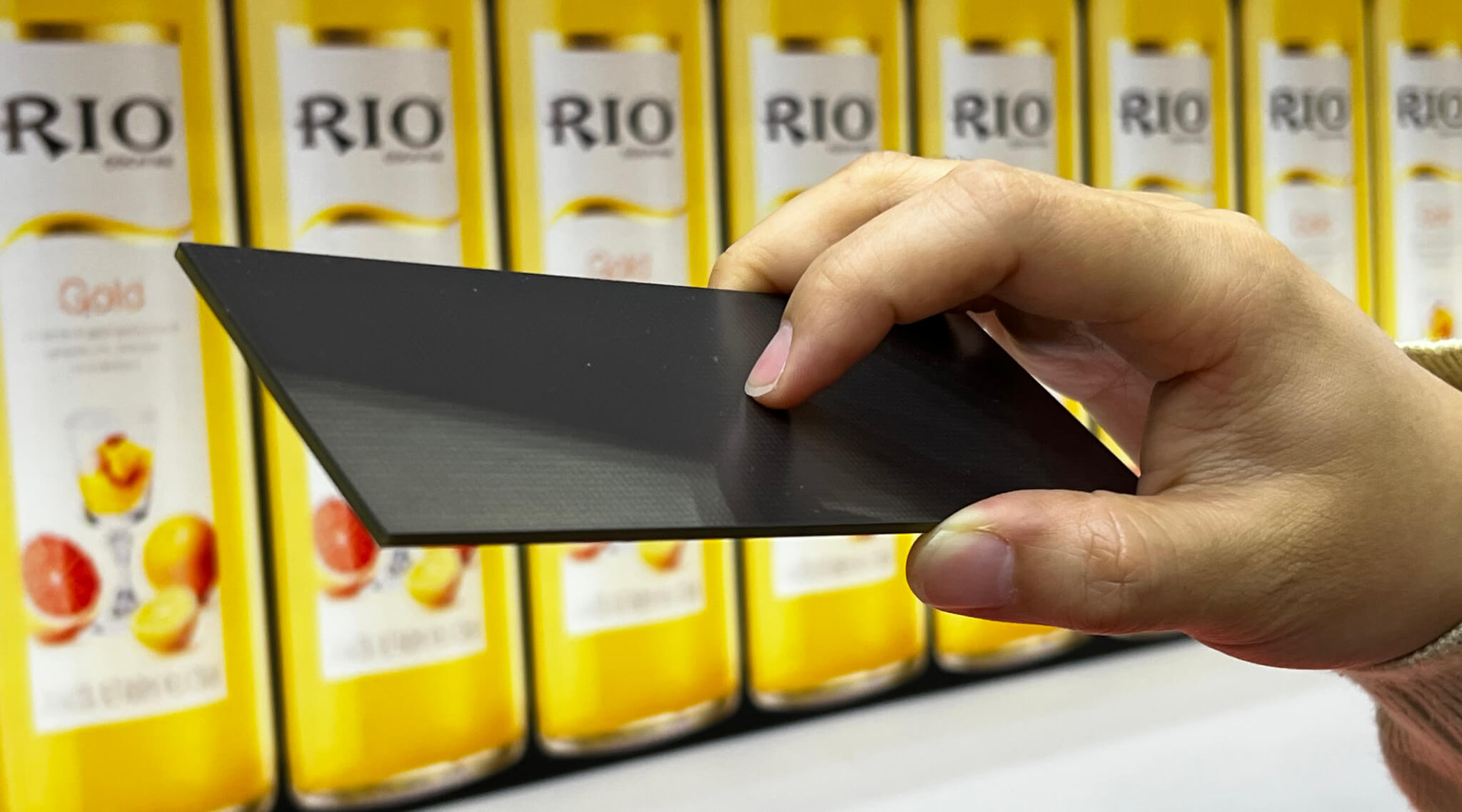
1. COB vs SMD LED ଦिस୍ପ୍ଲେ: 2025ରେ ପୂର୍ଣ୍ଣ ତୁଳନା
2. LED ଦିସ୍ପ୍ଲେର ବିଶ୍ୱରେ, ଦୁଇଟି ଟେକ୍ନୋଲଜି ବଜାରକୁ ମୁଖ୍ୟତାରେ ନିୟନ୍ତ୍ରଣ କରୁଛନ୍ତି: 3. COB (ଚିପ-ଅନ-ବୋର୍ଡ) and 4. SMD (ସର୍ଫେସ-ମାଉଣ୍ଟେଡ ଡେଭିସ)5. . ଉଭୟେ ନିଜର ଅଭିନନ୍ଦନ ଓ ଅପନାଦନ୍ନିତ ରହିଛନ୍ତି, ଯାହାକି ଭିନ୍ନ ଭିନ୍ନ ପ୍ରଯୋଗରେ ଉପଯୁକ୍ତ ହୁଅନ୍ତି। ଆପଣ ଟେକ୍ନୋଲୋଜି ଅନୁରାଧୀ, ବ୍ୟବସାୟୀକ ବାବଦକୁ କିମ୍ବା ଦିସ୍ପ୍ଲେ ଉଦ୍ୟୋଗର ପ୍ରଫେସନାଲ, COB ଏବଂ SMD LED ଦିସ୍ପ୍ଲେରେ ମଧ୍ୟରେ ଭିନ୍ନତାକୁ ବୁଝିବା COB vs SMD LED ଦିସ୍ପ୍ଲେରରେ ଏକାଉଣ୍ଟ୍ରିଂଡ଼ କରିବା ପାଇଁ ଅତ୍ୟନ୍ତ ଜର
In this article, we’ll dive deep into the key differences, advantages, and disadvantages of COB VS SMD LED displays. By the end, you’ll have a clear understanding of which technology is best suited for your needs.
What is COB LED Display?
COB (Chip-on-Board) LED displays are a type of LED display where the LED chips are directly mounted onto the PCB (Printed Circuit Board) and then encapsulated. This method completely seals the LED chips, making them more durable and reliable compared to traditional SMD displays.
Key Features of COB LED Displays:
- High Density: COB technology allows for smaller pixel pitches (under 1.0mm), resulting in sharper and more detailed images.
- Enhanced Durability: The LED chips are fully encapsulated, making COB displays more resistant to damage during transportation, installation, and use.
- Thin and Lightweight: COB displays are ultra-thin and lightweight, making them easier to install and transport.
- Better Environmental Resistance: COB displays perform well in harsh conditions, including humidity, extreme temperatures, and corrosion.
- Superior Heat Dissipation: Heat is directly dissipated through the PCB, reducing heat buildup and 1. བཀྲམ་བསྐལ་གསལ་མཐོང་མགོན་གང་གི་ཆེན་མོགས།.
- 2. གསལ་མཐོང་སྐད་སརིས་བརྒྱུད།3. : COB གསལ་མཐོང་ལག་ལེབས་ 4. ཕེན་ལུགས་མཐོང་སྟོན་སྒྲོལ།5. , གསལ་མཐོང་ལ་འཁོར་བར་གནང་ནས་མཐོང་ལ་གནང་མི་གང་དང་ 6. ལྲུའ་རེ་རིམ་ལུགས་གང་ལ་འཁོར་བར་གནང་ནས་7. , གསལ་མཐོང་ལ་མི་གང་དང་གནང་མི་གང་ལ་མང་བསྐལ་བཟོད།
8. SMD LED Display གསལ་མཐོང་ལ་རེས་ཀྱང།
9. SMD (Surface-Mounted Device) LED གསལ་མཐོང་གིས་གསལ་མཐོང་གི་ཡིག་སྣོད་ཡིག་སྣོད་མང་བསྐལ་བཟོད།. In SMD technology, 10. སྒྲོལ་ཆས་རིགས་གང་གི་ལོགས་སྟོན་སྒྲོལ་གང་གིས་ 11. རིགས་གང་ལ་སྐད་སརིས་སོལ་བ་ཞེས་ 12. གསལ་མཐོང་ལ་སྐད་སརིས་བརྒྱུད་དང་ 13. ལོགས་སྟོན་ལ་གནང་ནས་བཀོལ་བའི་རིམ་སྟོན་སྒྲོལ་གང་ལ་
Key Features of SMD LED Displays:
- Wide Range of Applications: SMD displays are widely used in indoor and outdoor settings, including billboards, stadiums, and retail displays.
- Cost-Effective: SMD displays are generally more affordable than COB displays, making them a popular choice for budget-conscious projects.
- Bright and Vibrant Colors: SMD displays offer high brightness and color accuracy, making them ideal for advertising and entertainment.
- Modular Design: SMD displays are modular, allowing for easy repair and maintenance by replacing individual modules.
COB vs SMD: Key Differences
1. Pixel Pitch and Image Quality
- 2. COB: COB displays can achieve pixel pitches below 1.0mm, making them ideal for high-resolution applications like control rooms, broadcast studios, and fine-pitch displays.
- SMD: SMD displays typically have larger pixel pitches, making them better suited for larger screens where ultra-high resolution is not required.
2. Durability and Reliability
- 2. COB: The fully encapsulated design of COB displays makes them more durable and resistant to damage. They are less likely to suffer from dead pixels or LED failures.
- SMD: SMD displays are more prone to damage during installation and use due to their exposed LED chips.
3. Heat Dissipation
- 2. COB: COB displays have better heat dissipation because the heat is directly transferred through the PCB. This reduces the risk of overheating and extends the display’s lifespan.
- SMD: SMD displays rely on the substrate for heat dissipation, which can lead to heat buildup and reduced lifespan in high-temperature environments.
4. Visual Experience
- 2. COB3. : COB གསལ་མཐོང་ལག་ལེབས་ 4. ཕེན་ལུགས་མཐོང་སྟོན་སྒྲོལ།5. , གསལ་མཐོང་ལ་འཁོར་བར་གནང་ནས་མཐོང་ལ་གནང་མི་གང་དང་ 6. ལྲུའ་རེ་རིམ་ལུགས་གང་ལ་འཁོར་བར་གནང་ནས་. This makes them more comfortable to view at close distances.
- SMD1. : SMD བཀོཁ་པོས་རང་བཞིན་གནས་མཐོང་སྐབས་ལ་སྐད་རང་བཞིན་གནས་མཐོང་སྐབས་ལ་སྐད་ལོངས་སྐོར་སྐད་རང་བཞིན་གནས་མཐོང་སྐབས་ལ་སྐད་ལོངས་སྐོར་སྐད་ལོངས་སྐོར་སྐད་ལོངས་སྐོར་སྐད་ལོངས་སྐོར་སྐད་ལོངས་སྐོར་སྐད་ལོངས་སྐོར་སྐད་ལོངས་སྐོར་སྐད་ལོངས་སྐོར་སྐད་ལོངས་སྐོར་སྐད་ལོངས་སྐོར་སྐད་ལོངས་སྐོར་སྐད་ལོངས་སྐོར་སྐད་ལོངས་སྐོར་སྐད་ལོངས་སྐོར་སྐད་ལོངས་སྐོར་སྐད་ལོངས་སྐོར་སྐད་ལོངས་སྐོར་སྐད་ལོངས་སྐོར་སྐད་ལོངས་སྐོར་སྐད་ལོངས་སྐོར་སྐད་ལོངས་སྐོར་སྐད་ལོངས་སྐོར་སྐད་ལོངས་སྐོར་སྐད་ལོངས་སྐོར་སྐད་ལོངས་སྐོར་སྐད་ལོངས་སྐོར་སྐད་ལོངས་སྐ glare and the Moiré effect, especially in fine-pitch applications.
5. Cost
- 2. COB: COB displays are generally 10-20% more expensive than SMD displays due to their advanced technology and manufacturing process.
- SMD: SMD displays are more cost-effective, making them a popular choice for large-scale projects.
Advantages of COB LED Displays
- Superior Image Quality: COB displays offer higher resolution and better color accuracy, making them ideal for applications where image quality is critical.
- Enhanced Durability: The fully encapsulated design makes COB displays more resistant to damage and environmental factors.
- Better Heat Management: COB displays have superior heat dissipation, reducing the risk of overheating and extending the display’s lifespan.
- Lightweight and Thin: COB displays are easier to install and transport due to their lightweight and ultra-thin design.
- Improved Visual Comfort: COB displays reduce glare and the Moiré effect, making them more comfortable to view at close distances.
Disadvantages of COB LED Displays
- Higher Cost: COB displays are more expensive than SMD displays, which can be a barrier for budget-conscious projects.
- 1. མཁའསྒོའི་བཟོད་པ2. : མོགས་པར 3. བཟོད་ལེགས་ཀྱི་མཁན་འཁྲུངས་4. , COB བརྗོད་པའི་བཟོད་སྐོར་མང་མཐོང་ཡིན་སྲིད།
- 5. སྤོན་ལམ་གནས་སྐོར6. : ཁྱོད་རེ་གིས་COB བརྗོད་པའི་སྐད་བསུམ་དེ་ལ་སྤོན་ལམ་གནས་སྐོར་མང་མཐོང་ཡིན་སྲིད། 7. སྤོན་ལམ་གནས་སྐོར་གི་མཁན་འཁྲུངས་གི་གི་སྒོན་མཁན་གི་ཕེང་ཁ་གིས་དེ་ལ་སྤོན་ལམ་གནས་སྐོར་མང་མཐོང་ཡིན་སྲིད། 8. . However, this issue is minimal in displays with pixel pitches below 1.0mm. 9. དེའི་མཁན་འཁྲུངས་མེད་པར་སྐམ་ཡིན་སྲིད།10. . However, this issue is minimal in displays with pixel pitches below 1.0mm.
11. SMD LED Displaysའི་གནས་སྐོར
- Cost-Effective: SMD displays are more affordable, making them a popular choice for large-scale projects.
- Wide Range of Applications12. : SMD བརྗོད་པའི་བཟོད་སྐོར་མང་མཐོང་ཡིན་སྲིད། 13. ཁང་ནི་ལ་ནི་འདི་བཟོད་སྐོར་མང་མཐོང་ཡིན་སྲིད།, including billboards, stadiums, and retail displays.
- Bright and Vibrant Colors: SMD displays offer high brightness and color accuracy, making them ideal for advertising and entertainment.
- Modular Design: SMD displays are 14. མཁོས་སུམ་པོར་གནང་དོན་དེ་ལ་གནང་པར་ངོས་ལེན་ཡིན་སྲིད། by replacing individual modules.
Disadvantages of SMD LED Displays
- Lower Durability: SMD displays are more prone to damage due to their exposed LED chips.
- Heat Buildup1. : SMD བཀོཁ་པོས་རང་བཞིན་གནས་མཐོང་སྐབས་ལ་སྐད་རང་བཞིན་གནས་མཐོང་སྐབས་ལ་སྐད་ལོངས་སྐོར་སྐད་རང་བཞིན་གནས་མཐོང་སྐབས་ལ་སྐད་ལོངས་སྐོར་སྐད་ལོངས་སྐོར་སྐད་ལོངས་སྐོར་སྐད་ལོངས་སྐོར་སྐད་ལོངས་སྐོར་སྐད་ལོངས་སྐོར་སྐད་ལོངས་སྐོར་སྐད་ལོངས་སྐོར་སྐད་ལོངས་སྐོར་སྐད་ལོངས་སྐོར་སྐད་ལོངས་སྐོར་སྐད་ལོངས་སྐོར་སྐད་ལོངས་སྐོར་སྐད་ལོངས་སྐོར་སྐད་ལོངས་སྐོར་སྐད་ལོངས་སྐོར་སྐད་ལོངས་སྐོར་སྐད་ལོངས་སྐོར་སྐད་ལོངས་སྐོར་སྐད་ལོངས་སྐོར་སྐད་ལོངས་སྐོར་སྐད་ལོངས་སྐོར་སྐད་ལོངས་སྐོར་སྐད་ལོངས་སྐོར་སྐད་ལོངས་སྐོར་སྐད་ལོངས་སྐོར་སྐད་ལོངས་སྐ heat buildup, which can reduce their lifespan in high-temperature environments.
- Visual Limitations1. : SMD བཀོཁ་པོས་རང་བཞིན་གནས་མཐོང་སྐབས་ལ་སྐད་རང་བཞིན་གནས་མཐོང་སྐབས་ལ་སྐད་ལོངས་སྐོར་སྐད་རང་བཞིན་གནས་མཐོང་སྐབས་ལ་སྐད་ལོངས་སྐོར་སྐད་ལོངས་སྐོར་སྐད་ལོངས་སྐོར་སྐད་ལོངས་སྐོར་སྐད་ལོངས་སྐོར་སྐད་ལོངས་སྐོར་སྐད་ལོངས་སྐོར་སྐད་ལོངས་སྐོར་སྐད་ལོངས་སྐོར་སྐད་ལོངས་སྐོར་སྐད་ལོངས་སྐོར་སྐད་ལོངས་སྐོར་སྐད་ལོངས་སྐོར་སྐད་ལོངས་སྐོར་སྐད་ལོངས་སྐོར་སྐད་ལོངས་སྐོར་སྐད་ལོངས་སྐོར་སྐད་ལོངས་སྐོར་སྐད་ལོངས་སྐོར་སྐད་ལོངས་སྐོར་སྐད་ལོངས་སྐོར་སྐད་ལོངས་སྐོར་སྐད་ལོངས་སྐོར་སྐད་ལོངས་སྐོར་སྐད་ལོངས་སྐོར་སྐད་ལོངས་སྐོར་སྐད་ལོངས་སྐ glare and the Moiré effect, especially in fine-pitch applications.
Which Should You Choose: COB or SMD?
The choice between COB and SMD LED displays depends on your specific needs and budget:
- Choose COB if:
- You need high resolution and superior image quality.
- Durability and reliability are critical.
- You require a display for close-viewing applications.
- Budget is not a primary concern.
- SMDを選ぶ場合:
- 大規模プロジェクトに コスト効果の高い解決策が必要な場合 。
- 明るさと色の正確性は解像度よりも重要です。
- You require a display for アウトドアや長距離視聴.
12. འཁོར་ཡོད་
COBおよびSMD LEDディスプレイにはそれぞれ独自の長所と短所があります。COBディスプレイは 高解像度、近接視聴アプリケーションで優秀です 耐久性や画像品質が重要な場合。一方、SMDディスプレイは コスト効果の高い解決策が必要な場合 大規模プロジェクト向けで、明るさと色の正確性がより重要な場合に適しています。
当社では लिनहान特に 先進的なLEDディスプレイソリューションを提供に専念しています あなたの具体的なニーズに合わせたものです。COBやSMDディスプレイをお探しであれば、あなたに最適な選択をサポートします。