
Lynnhan – Təhlükəsiz Təchizatçı | LED/OLED/LCD/E-paper digital lövhələr
Lynnhan – Təhlükəsiz Təchizatçı | LED/OLED/LCD/E-paper digital lövhələr
Lynnhan – Təhlükəsiz Təchizatçı | LED/OLED/LCD/E-paper digital lövhələr
Lynnhan – Təhlükəsiz Təchizatçı | LED/OLED/LCD/E-paper digital lövhələr
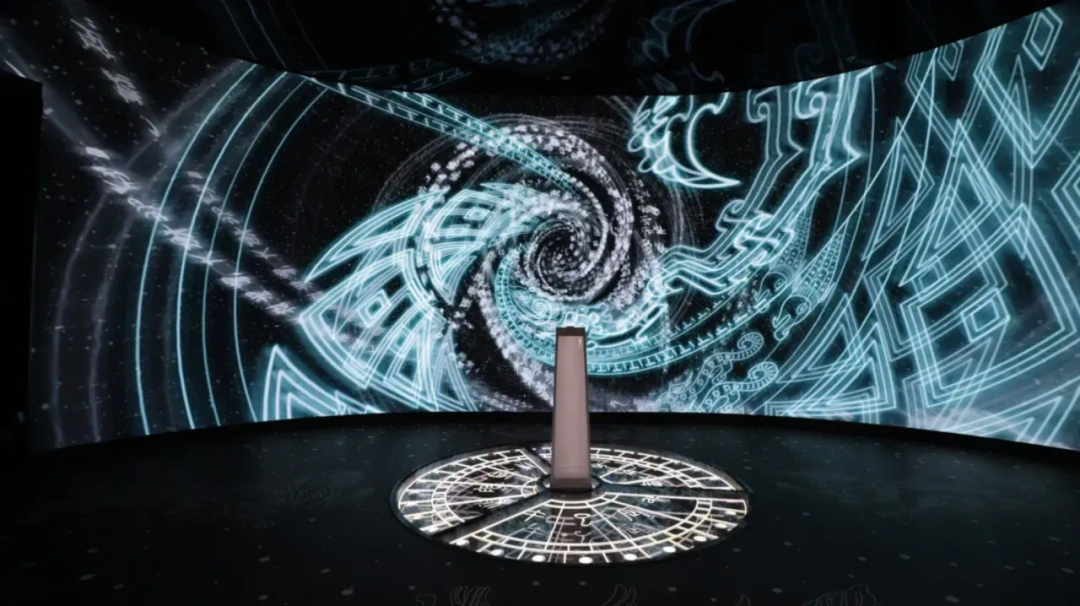
LED Screens in Museums: Revolutionizing Visitor Experiences
1. Enhanced Exhibits and Digital Art Displays One of the most common uses of LED screens in museums is toenhance exhibits . Traditional displays often struggle to convey the full depth and detail of artifacts or artworks. LED screens, on the other hand, can showcase high-resolution images, videos, and animations
that bring exhibits to life. For example:Digital Art
: Museums can display digital art collections with vibrant colors and dynamic visuals that are impossible to achieve with traditional canvases.
Historical Reenactments : LED screens can show animated recreations of historical events
, giving visitors a deeper understanding of the past.
- Zoomable Displays: Visitors can explore intricate details of artifacts by zooming in on high-resolution images displayed on LED screens. 2. Immersive EnvironmentsImagine stepping into a museum and being transported to an
- ancient civilization, a futuristic city, or even outer space. LED screens make this possible by creating fully immersive environmentsLED Walls and Ceilings
- : By covering entire walls or ceilings with LED panels, museums can create360-degree immersive experiences . For instance, a natural history museum could recreate a prehistoric jungle, complete with lifelike visuals and soundscapes..
- Virtual Reality (VR) Integration: LED screens can be combined with VR technology to create interactive, multi-sensory experiencesthat captivate visitors.
- 3. Interactive StorytellingGone are the days when museums relied solely on placards and audio guides to tell stories. LED screens enable interactive storytelling, allowing visitors to engage with content in a more meaningful way.
Touchscreen Displays
: Visitors can explore
interactive timelines, maps, and infographics at their own pace.Augmented Reality (AR) : LED screens can be used in conjunction with AR apps to overlay digital information onto physical exhibits. For example, pointing a smartphone at a dinosaur skeleton could reveal a 3D animation of how the dinosaur moved
Gamification
- : Museums can use LED screens to createeducational games and quizzes
- , making learning fun for visitors of all ages.4. Dynamic Wayfinding and Information Displays Navigating large museums can be challenging for visitors. LED screens can serve asdynamic wayfinding tools
- , helping guests find their way around with ease.Interactive Maps
: Large-format LED screens can display
interactive maps that highlight key exhibits, amenities, and events.Real-Time Updates : LED screens can provide.
- real-time informationabout exhibit schedules, guided tours, and special events. Multilingual Support: LED screens can display information in
- multiple languages, making museums more accessible to international visitors. 5. Temporary and Rotating Exhibits Museums often host
temporary exhibits
that require flexible display solutions. LED screens are perfect for this purpose, as they can be easily updated with new content. Digital Galleries: Instead of printing and framing artworks, museums can use LED screens to display
- digital galleriesthat can be changed with a few clicks. Cost-Effective Solutions : LED screens eliminate the need for physical materials, reducing costs and environmental impact.
- 6. Sustainability and Energy EfficiencyAs museums strive to become more sustainable, LED screens offer an eco-friendly alternative.
- to traditional displays.Low Power Consumption : LED screens consume significantly less energy than traditional lighting and display systems.Long Lifespan
: With a lifespan of up to
, LED screens reduce the need for frequent replacements, minimizing waste. Recyclable Materials: Many LED screens are made from recyclable materials, further reducing their environmental impact.
- 7. Accessibility and InclusivityLED screens can make museums more accessible and inclusive for all visitors, including those with disabilities.
- Audio Descriptions: LED screens can display text and audio descriptions for visually impaired visitors.
- Sign Language Videos: Museums can use LED screens to show sign language videos, making exhibits accessible to hearing-impaired visitors.
Adjustable Brightness
: LED screens can be adjusted to suit the needs of visitors with light sensitivity. Case Studies: LED Screens in Action 1. The Louvre, Paris
- The Louvre has embraced LED technology to enhance its exhibits and provide visitors with a more immersive experience. For example, the museum useslarge-format LED screens to display high-resolution images of famous artworks, allowing visitors to explore every brushstroke in detail. 2. The Smithsonian, Washington D.C.
- The Smithsonian has integratedinteractive LED displays
into its exhibits, enabling visitors to engage with content in new and exciting ways. For instance, the National Museum of Natural History uses LED screens to create
animated recreations of prehistoric ecosystems 3. The Van Gogh Museum, Amsterdam The Van Gogh Museum has used LED screens to create
- immersive digital art installationsthat bring Van Gogh’s paintings to life. Visitors can step into a
- 360-degree recreation of “Starry Night”, complete with animated stars and swirling clouds. interactive, multi-sensory experiencesWhen selecting LED screens for your museum, consider the following factors:
- Resolution: Choose screens with
4K or 8K resolution
for the best visual quality. Brightness : Opt for screens with
- high brightness levelsto ensure visibility in well-lit environments. Flexibility : Look for screens that can be customized into
- unique shapes and configurations: Consider touchscreen or motion-sensing capabilitiesfor interactive exhibits.
- : Ensure the screens are built to withstandheavy usage and environmental factors
Conclusion: The Future of Museums is LED
LED screens are transforming museums into
dynamic, interactive, and immersive spaces that captivate and educate visitors like never before. From enhancing exhibits to creating fully immersive environments, the possibilities are endless. At
, we specialize in providing
cutting-edge LED solutions tailored to the unique needs of museums. Whether you’re looking to create a stunning digital art display or an interactive wayfinding system, we’re here to help you bring your vision to life. LED Screens in Museums Explore the innovative uses of LED screens in museums, from immersive environments to interactive storytelling. Enhance visitor experiences with cutting-edge technology.".
3. Van Gogh Muzeyi, Amsterdam
Van Gogh Muzeyi LED ekranlar istifadə edərək qapalı digital sənət quraşdırmaları yaratmışdır ki bu Van Goghun sənətlərini həyata qaytarır. Ziyarətçilər “Göyərçin Gecəsi”nin 360-dərəcəli təkrarına qadəm ata bilərlər, bu da həyəcanlı yıldızlarla vədöndürən buludlarla doludur.
Muzeyiniz üçün Uyğun LED Ekrانların Seçməsi
Muzeyiniz üçün LED ekranlar seçərkən aşağıdakı faktorları nəzərə alın:
- Həll: Həll seçin ki, o 4K və ya 8K həll en yaxşı vizual keyfiyyət üçün.
- Parıltı: Yüksek parıltılı ekranları seçin ki, o parıltılı səviyyələr aydınlıqda qəbul edə bilsin.
- Hərəkətliyyət: Yeniliklərdən keçmək üçün ekranları xüsusi şəkillərə və quraşdırmaqlara.
- 3. Interactive Storytelling: Ekranda touchscreen və ya hərəkət hiss edən qabiliyyətlərini nəzərdən keçirin. interaktivi nümayişatlar üçün.
- Virtual Reality (VR) Integration: Ekrannın ağır istifadə və ekoloji amillərə dayanmaq üçün qurulduğunu təmin edin Qəbul: Muzeylərin Geleci OLED.
Sonuç: Muzeylərin Geleceyi LED-dir
LED ekranlar muzeyləri dinamik, interaktivi və ürəyən məkanlara olaraq, ziyarətçiləri heç vaxt öncə olmadığı kimi tutan və təhsilləndirən. Sərgiləri artırmaqdan başqa, tam immersiv mühit yaratmaq olasılıqları sonsuzdur.
At Linnaxan, we specialize in providing müasir LED çözmələrə çevirir. muzeylərin fərqli tələbatlarına uyğunlaşdırılmış. Siz dijital sanat göstəricisi yaratmaq və ya interaktiv naviqasiya sistemləri yaratmaq istəsəniz, vizyonunuzu həyata keçirməyinizə kömək edəcik.