
1. Lynnhan – ተሠረሰው መከሻንት | LED/OLED/LCD/E-paper የምናስተኛ መስላክካል
2. Lynnhan – ተሠረሰው መከሻንት | LED/OLED/LCD/E-paper የምናስተኛ መስላክካል
1. Lynnhan – ተሠረሰው መከሻንት | LED/OLED/LCD/E-paper የምናስተኛ መስላክካል
2. Lynnhan – ተሠረሰው መከሻንት | LED/OLED/LCD/E-paper የምናስተኛ መስላክካል
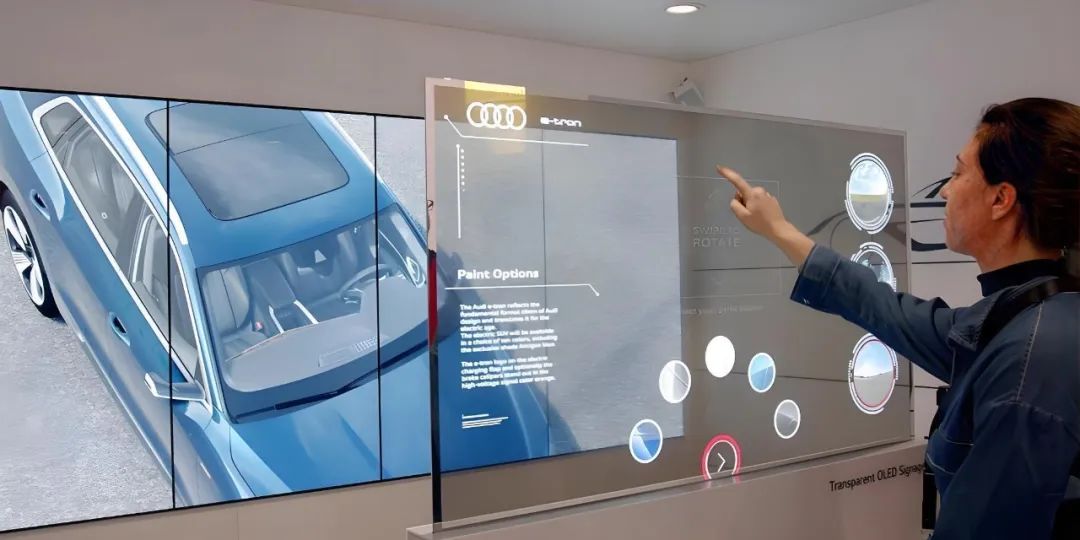
1. Sa mga teknolohiya ng pagdisplay, ang OLED (Organic Light Emitting Diode) ay naging tagumpay na nagbabago ng laro. Kilala sa kanyang kahanga-hangang kalidad ng pinta, maikling disenyo, at kahusayan sa paggamit ng enerhiya, ang OLED displays ay nagbabagong-bansa mula sa konsumer elektronika hanggang sa pagpapatalastas. Sa Lynnhan.com, ang iyong pinagkakatiwalaang tagagawa, kami ay naririto upang ipaliwanag kung ano ang OLED displays, paano ito gumagana, at bakit ito ay lubos na pinaparangal.
2. Anong OLED Display?
3. Ang OLED display ay uri ng teknolohiya ng pagdisplay na gumagamit ng organic compounds upang magpalabas ng ilaw kapag napapatong ang kuryente. Hindi katulad ng tradisyonal na LED o LCD displays, na nangangailangan ng bakwit upang iluminahin ang skreen, nagpalabas ng kanyang sariling ilaw bawat pixel sa OLED display. Ang natatanging katangian na ito ay nagbibigay sa OLED displays ng perpektong puti, walang hanggang ratio ng kontrasta, at mabubuhal na kulay, ginagawang ito paborito sa mataas na antas na TV, smartphones, at iba pang elektronikong aparato.
4. Paano Gumagana ang OLED Display?
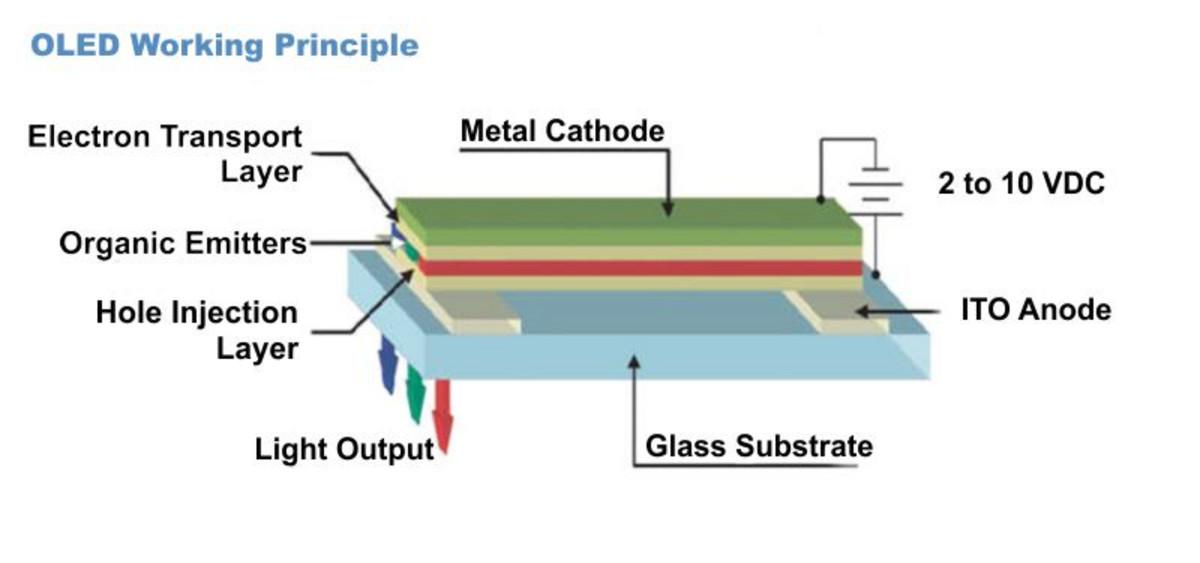
5. Ang OLED displays ay binubuo ng maliit na layer ng organic materials na nasa gitna ng dalawang elektrode (isang anodo at isang katrato). Kapag napapatong ang kuryente, nagpalabas ng ilaw ang organic compounds. Ang pangunahing estraktura ng OLED display kasama ang:
- 6. Substrate: 7. Ang pangunahing layer, kalimitan na gawa ng salamin o plastik, na sumosuporta sa estraktura ng OLED.
- 8. Anode: 9. Isang malalasing na layer na alisin ang elektron kapag napapatong ang kuryente.
- 10. Organic Layers: 11. Kasama dito ang emissive layer (na nagpalabas ng ilaw) at ang conductive layer (na nagdala ng elektron).
- 12. Cathode: 13. Isang malakas na layer na nagpapasok ng elektron sa organic layers.
14. Kapag napapatong ang baryente, ang elektron ay dumaloy mula sa katrato hanggang sa anodo, dumadala sa mga organic layers. Ang prosesong ito ay nagbibigay buhay sa organic molecules, nagbibigay-daan sa kanila na magpalabas ng ilaw. Sa pamamagitan ng kontrol ng intensity ng ilaw na pinapalabas ng bawat pixel, ang OLED displays ay maaaring gumawa ng malawak na saklaw ng kulay at liwanag.
15. Uri ng OLED Displays
16. Sa Lynnhan.com, nag-aalok kami ng iba't ibang uri ng OLED displays upang matugunan ang iba't ibang pangangailangan. Narito ang pinakakomun na uri:
- 17. Passive-Matrix OLED (PMOLED)
18. Ang PMOLED displays ay mas simple sa disenyo at tipikal na ginagamit sa mas maliit na aparato tulad ng smartwatches at MP3 players. Ito ay mahalaga ng halaga ngunit may limitasyon sa termino ng resolyusyon at laki ng skreen. - 19. Active-Matrix OLED (AMOLED)
20. Ang AMOLED displays ay mas napakalaking napakalakas at tipikal na ginagamit sa smartphones, tablats, at TVs. Ginagamit nito ang maliit na-film transistor (TFT) backplane upang kontrolin ang bawat pixel nang isahin, na nagresulta sa mas mataas na resolyusyon, mas mabilis na panindigan, at mas mahahusay na kahusayan sa paggamit ng enerhiya. - 21. Flexible OLED
22. Ang flexible OLED displays ay ginawa gamit ang plastik na substrato sa halip ng salamin, na nagbibigay pahintulot sa kanila na sumiglang o sumiklab. Ginagamit ang mga ito sa mga makabagong aplikasyon tulad ng foldable smartphones at curved TVs. - 23. Transparent OLED
24. Ang transparent - Top-Emitting OLED
These displays emit light from the top of the structure, making them more efficient and suitable for high-resolution applications like microdisplays.
Benefits of OLED Displays
OLED displays offer several advantages over traditional display technologies like LED and LCD. Here are some of the key benefits:
- Perfect Blacks and Infinite Contrast
Since each pixel emits its own light, OLED displays can completely turn off individual pixels to achieve true blacks. This results in an infinite contrast ratio, providing a more immersive viewing experience. - Wide Viewing Angles
OLED displays maintain consistent color and brightness even when viewed from extreme angles, making them ideal for group viewing. - Thin and Lightweight Design
OLED displays do not require a backlight, allowing them to be incredibly thin and lightweight. This makes them perfect for sleek, modern devices. - Energy Efficiency
OLED displays consume less power, especially when displaying darker content, as individual pixels can be turned off completely. - Fast Response Times
OLED displays have faster response times compared to LCDs, reducing motion blur and making them ideal for gaming and fast-paced content. - Vibrant Colors
OLED displays offer a wider color gamut, producing more vibrant and lifelike images.
Applications of OLED Displays
OLED displays are used in a wide range of industries due to their superior performance and versatility. Here are some of the most common applications:
- Consumer Electronics: OLED displays are widely used in smartphones, tablets, laptops, and TVs, offering stunning visuals and sleek designs.
- Wearable Devices: Smartwatches and fitness trackers use OLED displays for their energy efficiency and flexibility.
- Automotive: OLED displays are used in car dashboards, infotainment systems, and rear-seat entertainment screens.
- Advertising: Digital signage and retail displays benefit from OLED’s vibrant colors and thin design.
- Medical Devices: OLED displays are used in medical imaging and diagnostic equipment due to their high resolution and accuracy.
- Augmented Reality (AR): Transparent OLED displays are ideal for AR applications, providing a seamless blend of digital and real-world content.
OLED vs. LED/LCD Displays
While OLED displays offer many advantages, it’s important to understand how they compare to traditional LED and LCD displays:
- Black Levels: OLED displays can achieve perfect blacks, while LED/LCD displays rely on backlighting, which can cause light bleed.
- Viewing Angles: OLED displays maintain consistent colors at wide angles, whereas LED/LCD displays may experience color shifting.
- Thickness: OLED displays are thinner and lighter due to the lack of a backlight.
- Lifespan: LED/LCD displays generally have a longer lifespan, as OLED displays can experience burn-in over time.
- Cost: OLED displays are typically more expensive than LED/LCD displays, though prices are gradually decreasing.
Why Choose Lynnhan.com for Your OLED Display Needs?
At Lynnhan.com, we are committed to providing high-quality OLED displays that meet the needs of our customers. Here’s why you should choose us:
- Wide Range of Products: We offer a diverse selection of OLED displays, flexible, and transparent options.
- Superior Quality: Our products are sourced from reputable manufacturers and undergo rigorous quality checks.
- Expert Support: Our team of experts is always ready to assist you in choosing the right display for your application.
- Competitive Pricing: We provide affordable solutions without compromising on quality.
- Global Shipping: No matter where you are, we deliver our products worldwide.
2. Pagsasalita
OLED displays represent the pinnacle of display technology, offering unparalleled picture quality, energy efficiency, and design flexibility. Whether you’re looking for a high-end TV, a cutting-edge smartphone, or an innovative advertising solution, OLED displays deliver exceptional performance.
Explore our collection today and discover the perfect OLED display for your needs.
For more information or to place an order, visit Lynnhan.com. Let us help you experience the future of display technology with OLED!